E20 implementation: Ethanol blending in diesel fails flash-point test, experts warn of E20's effects on environment
The findings come in the wake of the Indian government wanting to implement its E20 policy across the country as the primary transport fuel. While E20 for petrol has been implemented across the country, the fate of E20 diesel now looks dim.
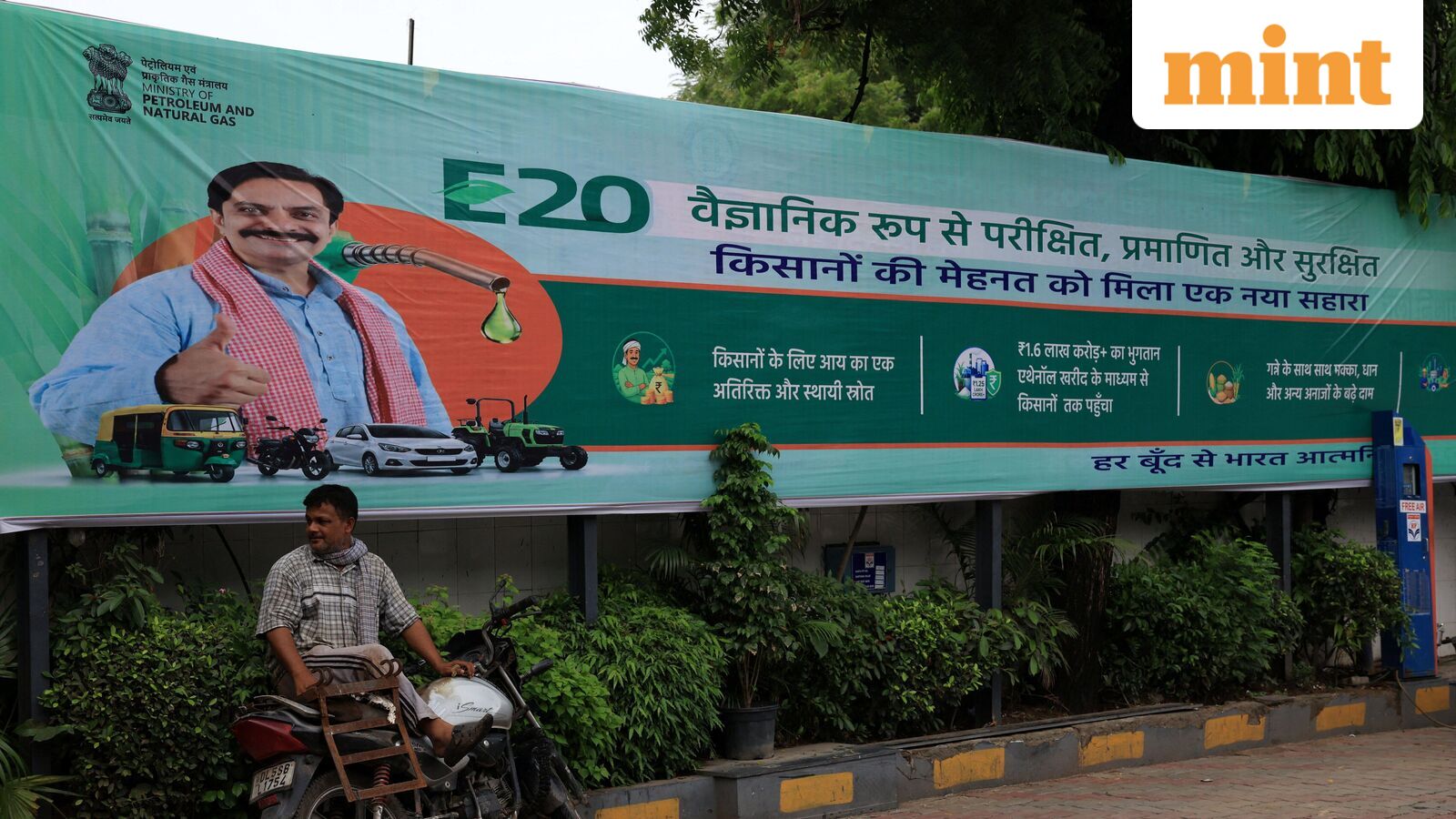
The Indian government's ambitious plan to blend 20% ethanol into diesel fuel has encountered a significant setback, as the flash-point test has failed, according to Minister of State for Petroleum and Natural Gas Suresh Gopi. The test, conducted by public-sector oil marketing companies (OMCs) in collaboration with laboratories and automakers, revealed that the ethanol-blended diesel did not meet the required flash-point specification.
The failure of the E20 diesel policy has left the government with limited options, as petrol-based E20 fuel has been successfully implemented nationwide.
Environmental experts have expressed concerns over the potential consequences of using ethanol-blended fuel. D Raghunandan, a scientist and activist at the Delhi Science Forum, highlighted that the shift in agriculture from food production to fuel production has led to maize demand exceeding export levels, forcing India to import the crop.
The expert cautioned that the environmental impact includes water utilization and changes in agricultural patterns, noting that comparisons to Brazil's ethanol use are not accurate due to differences in sugar surplus and climate change effects on Indian production.
Raghunandan advised the government to reconsider the E20 policy and return to E10 fuel, arguing that the benefits of ethanol-blended fuel are not outweighing the costs to consumers, the environment, and farmers.
Written by urgent.news from Live Mint's reporting — not their text. Machine-written — may contain errors; check the original before relying on it.