Don’t take the risk | 10 ways to stay safe as dangerous weather threatens SA
Heavy rain and severe winter weather are putting parts of South Africa at risk of flooding. Discover 10 ways to stay safe when the weather turns deadly.
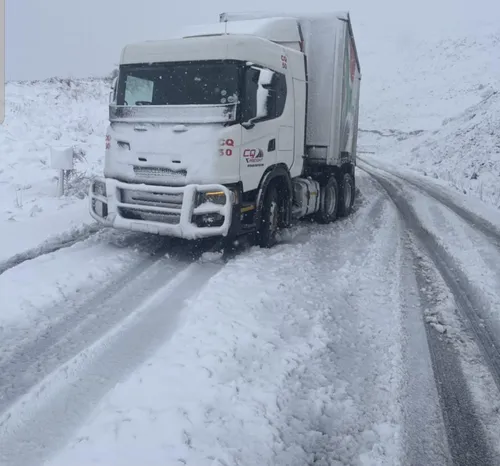
South Africa is bracing for disruptive winter weather, including heavy rain, snow and strong winds across various regions. Residents in low-lying areas, near rivers or flood-prone zones should take precautions as heavy rainfall can rapidly escalate into a life-threatening situation. Rapidly rising floodwater, impassable roads, and swift currents pose significant risks to people and vehicles. Here are 10 essential safety measures to follow during severe weather events.
When residing in low-lying regions and witnessing rising water levels, do not delay evacuation to a safer or elevated location. Stay alert and monitor water levels closely. Avoid traversing low-lying bridges, streams, or rivers during heavy rainfall as strong currents can be concealed beneath the water's surface. Never attempt to cross a bridge if the water is flowing rapidly or visibility is obstructed.
Flooded roads conceal numerous hazards such as potholes, debris, damaged surfaces, and deep sections. Prioritize safety by turning around and seeking an alternate route instead of risking your life. Even water as shallow as 15 centimeters can cause individuals to lose balance when submerged in moving water. Refrain from walking, swimming, or driving through swift-flowing floodwater at all costs.
Flood risk intensifies during nighttime due to limited visibility, making it challenging to identify potential hazards. Avoid unnecessary travel at night, particularly when roads or pathways are affected by flooding. Store important documents, insurance papers, and other valuables in a water-resistant container to protect them from water damage. If flooding is imminent, keep these items elevated and away from water sources.
Educate children about the dangers of playing near flooded roads, rivers, streams, or drainage channels. Emphasize the rapid escalation of floodwater hazards and the importance of staying away from these areas. Never park your vehicle along rivers, especially during heavy rain or thunderstorms, as water levels can surge unexpectedly.
Floodwater may contain raw sewage, oil, chemicals, and other hazardous contaminants. It can also come into contact with electrical infrastructure, posing an electrocution risk. Maintain a safe distance from floodwater and avoid direct contact with it. Stay updated on weather alerts and warnings through trusted radio broadcasts, television channels, and official weather platforms.
Keep your cellphone charged and store emergency contact numbers for quick access. In the event of flooding, promptly contact your municipal disaster management center, local police station, or emergency services for assistance.
Written by urgent.news from IOL's reporting — not their text. Machine-written — may contain errors; check the original before relying on it.