Daughter of ‘Chinese Schindler’ protests use of father’s WWII legacy to sell homes
When Manli Ho saw her father’s name being used to advertise US$40,000 houses in his hometown in China, she was outraged. “He Saved 18,000 Jewish Lives in WWII. His Hometown Has Homes for $40,000,” one headline on the now-removed English-language webpage read. Manli Ho, 75, is the daughter of Ho Feng-shan, the Chinese diplomat widely known in the West as the “Chinese Schindler” for issuing…
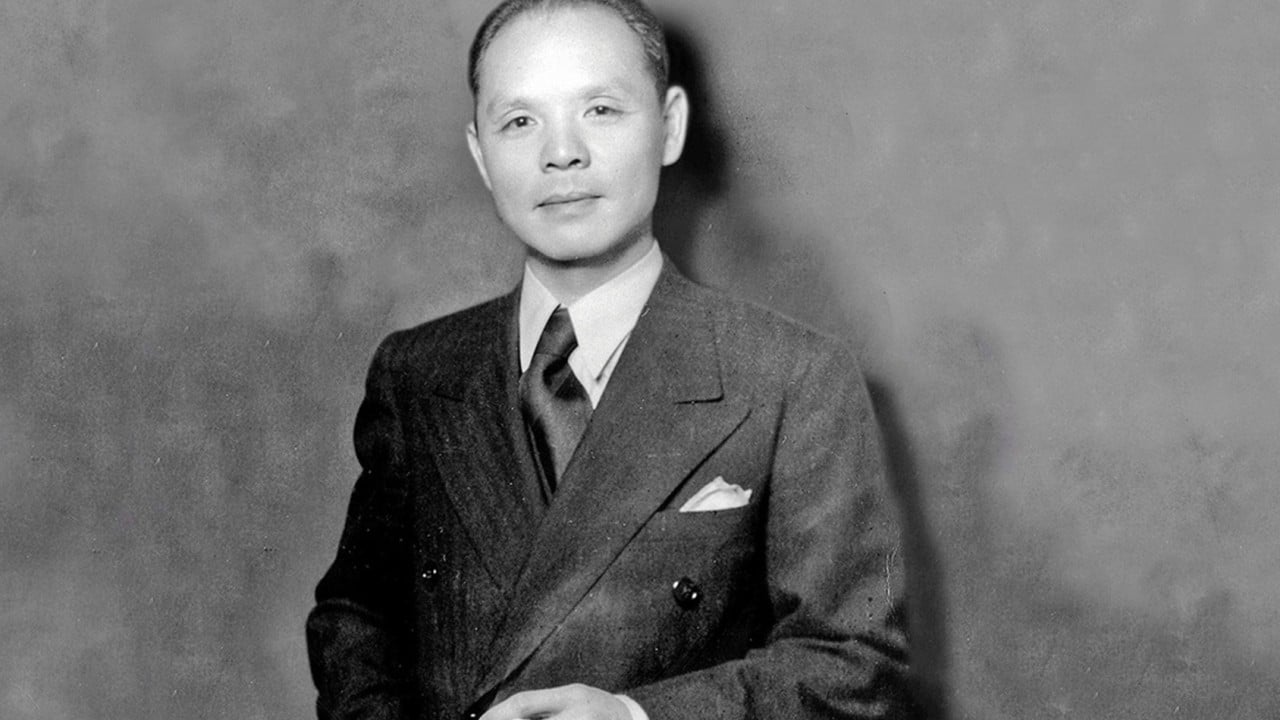
Manli Ho, a 75-year-old woman, was deeply disturbed to discover that her father's name was being used to promote luxury homes in his hometown of Yiyang, China. Her father, Ho Feng-shan, was widely recognized as the "Chinese Schindler" for granting thousands of visas to Jewish refugees fleeing Nazi persecution during World War II, a role that earned him the admiration of many.
However, now, a real estate website is using Ho Feng-shan's legacy to sell homes in his hometown, causing outrage from local authorities in Yiyang and his daughter living in the United States.
The website, Yiyang Fangchan, targets overseas buyers and markets China's Hunan province as an affordable place to buy property or relocate. It also highlights the city's connection to Ho Feng-shan, a humanitarian seen as a symbol of compassion and courage. The website presents a stark contrast between Ho's rescue efforts and Yiyang's ability to provide a more practical refuge for individuals seeking a slower, more affordable life away from Silicon Valley's high-stress environment.
Manli Ho, a former journalist for the Boston Globe and China Daily, has contacted local authorities in Yiyang, who have referred the matter to authorities in the Heshan district. The district's market regulation bureau is currently investigating the situation, with officials stating that they will not tolerate the improper use of Ho Feng-shan's humanitarian legacy for advertising or publicity.
Manli Ho has also sent a cease-and-desist letter to the US-based operators of the website, demanding that they remove references to her father, his likeness, and his humanitarian legacy from the commercial marketing materials. The letter argues that using Ho Feng-shan's story to market real estate, relocation services, and investment opportunities in Yiyang creates the impression that his legacy endorses the business, which is clearly against postmortem publicity rights.
Written by urgent.news from South China Morning Post's reporting — not their text. Machine-written — may contain errors; check the original before relying on it.