Cyberbullying : When social media becomes a tool for public humiliation
A person can make one mistake in front of twenty people and survive the embarrassment. Make that same mistake in front of a smartphone camera, however, and the story can become very different. Within seconds, the video can move from one phone to another. Then it appears on WhatsApp. Someone posts it on TikTok. Another person uploads it to Facebook or X. A caption is added. The comments begin.…
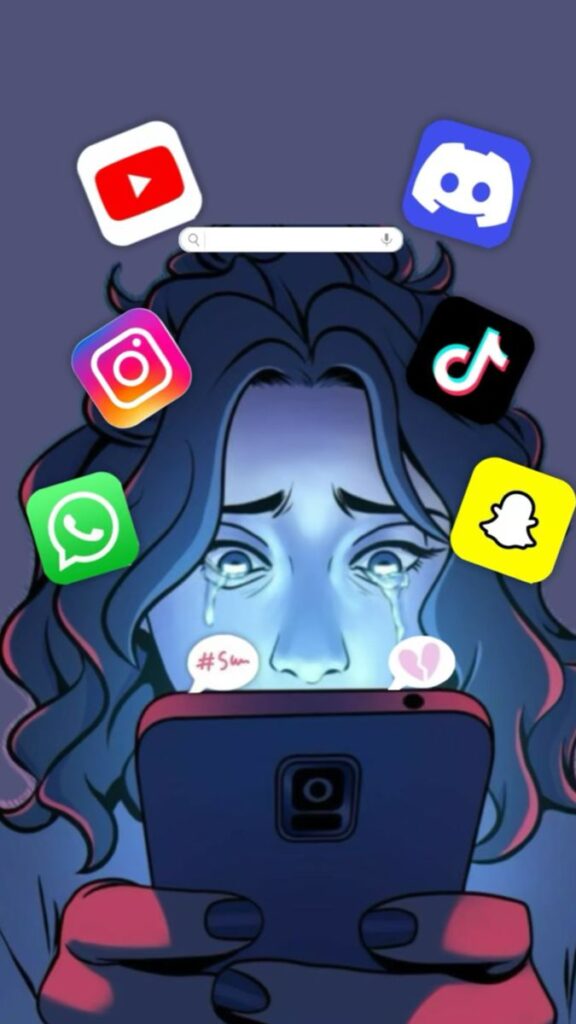
In the digital age, social media has transformed communication and made it possible for people to connect, learn, and share their ideas with a global audience. However, this same technology can also be used as a tool for public humiliation through the act of cyberbullying.
Cyberbullying involves the deliberate use of digital platforms to insult, threaten, harass, intimidate, embarrass, expose, or humiliate another person. This can happen through comments, private messages, group chats, photographs, videos, memes, fake accounts, edited content, false accusations, and the unauthorized sharing of personal information. It can target anyone, regardless of age, occupation, or background.
One of the most frightening aspects of cyberbullying is how it often starts with a mistake someone makes in front of a camera - whether it's a smartphone or a computer. This mistake can quickly spread across various platforms, transforming a private moment of embarrassment into a public spectacle. Within seconds, the video can move from one phone to another, appearing on WhatsApp, TikTok, Facebook, or X. A caption is added, comments begin, people laugh, insult, share, create memes, and the humiliation escalates.
Cyberbullying can have devastating effects on the person at the centre of the video, stealing their confidence, dignity, and life. An example is the mockery faced by university students who make mistakes while speaking in class. Instead of receiving encouragement or respectful correction, their presentation may be secretly recorded, uploaded with a funny caption, and shared online for others to laugh at.
This humiliating experience can have long-lasting consequences, such as fear of public speaking, lowered self-esteem, and avoidance of future public speaking opportunities.
The culture of "content" and the competition for views, likes, followers, and shares have normalized capturing moments of vulnerability and turning them into entertainment. Instead of compassion, people often reach for their phones to document the moment, rather than help. This shift in behavior creates a society where witnessing another person's vulnerability can trigger the instinct to document it, rather than providing support.
Bystanders also play a crucial role in cyberbullying. When people share, comment, like, or repost harmful content, they contribute to amplifying the humiliation. It is essential to recognize that every user has a choice: they can share, comment, report, ignore, or stop the spread of harmful content. By taking responsibility and choosing not to participate in online cruelty, individuals can help protect their peers from the damaging effects of cyberbullying.
Written by urgent.news from MyJoyOnline Ghana's reporting — not their text. Machine-written — may contain errors; check the original before relying on it.