Comment | This year’s Venice Biennale is filled with thought-provoking reminders of past art disputes
From a contested Richard Prince to the disputed Veroneses, Venice remains one of the best places to see works of art formerly at the centre of legal controversies
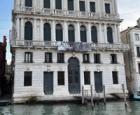
As visitors to the Venice Biennale this summer or autumn explore the exhibition Helter Skelter at the Prada Foundation on the Grand Canal, they may notice an image from a famous art dispute that occurred 15 years ago. This photograph is part of Richard Prince's Graduation (2008), which features an image of a Rastafarian lifted from a photograph by Patrick Cariou and altered by Prince.
Cariou sued Prince for copyright infringement in New York, but the Second Circuit Court of Appeals ultimately ruled that 25 out of the 30 works in the Canal Zone series were protected by "fair use". Despite this ruling, five of the works, including Graduation, were not deemed transformative and were sent back to the trial court.
It is believed that a confidential settlement between Prince and Cariou allowed the Prada Foundation to prominently feature the image in today's Venice Biennale. The city of Venice itself is filled with visual reminders of past art disputes. One example is the Veronese painting at the Accademia, which faced the Holy Inquisition in 1573 for its boisterous depiction of the Last Supper.
To avoid further issues, Veronese changed the title of the work to The Feast in the House of Levi, which is still the name used today. Another example is the famous Feast scene from Venice, The Wedding Feast at Cana, which is now in the Louvre, facing the Mona Lisa, instead of being returned to Venice after Napoleon's defeat in 1815.
Written by urgent.news from The Art Newspaper's reporting — not their text. Machine-written — may contain errors; check the original before relying on it.