Brics’ ‘stiffest test’: can India, China rally bloc to resolve Strait of Hormuz crisis?
A summit next month by the Brics grouping of nations has raised hopes that major players India and China will align to rally member states to resolve the Strait of Hormuz crisis, with the United States making little headway. Analysts say the forum from September 12 to 13 amid the global energy crisis wrought by the Middle East conflict could see parallel diplomacy, given the 11-member grouping’s…
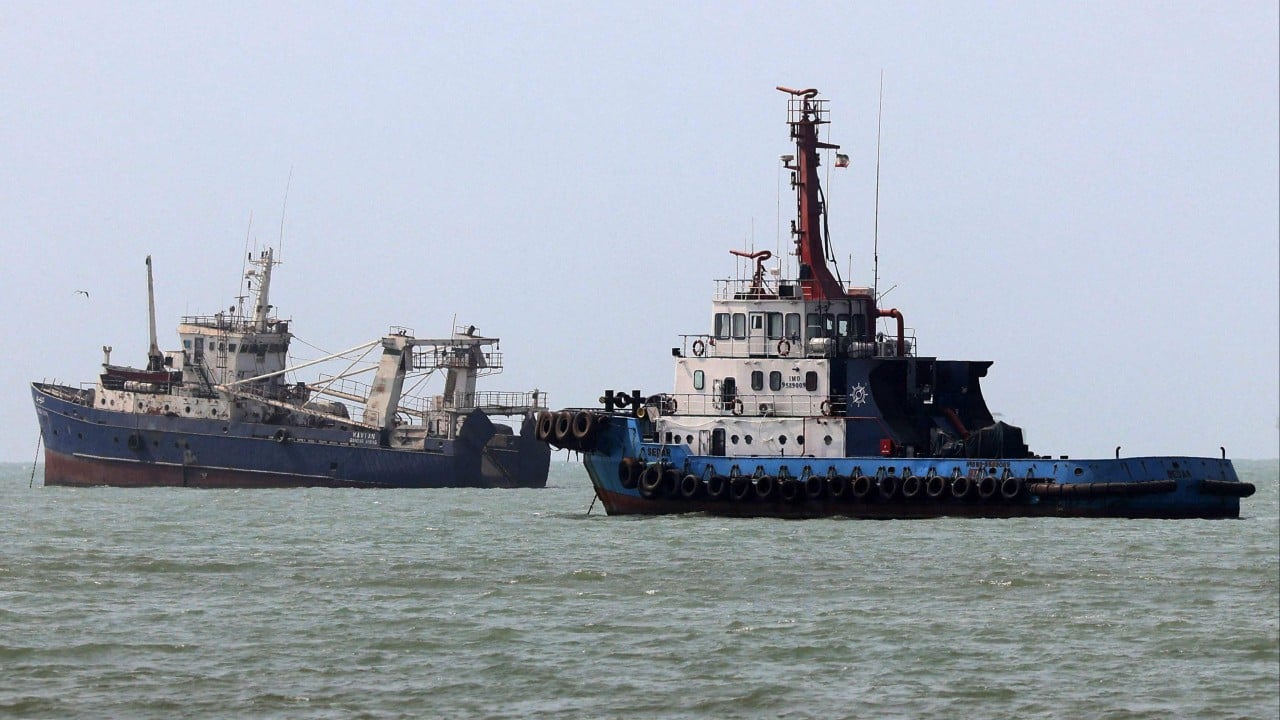
A Brics summit next month is generating optimism that India and China will unite to mediate the Strait of Hormuz crisis, a pivotal point amid the global energy crisis sparked by Middle East conflict. Despite little progress from the US, analysts suggest the forum, from September 12 to 13, could facilitate parallel diplomacy, as its economic influence accounts for around 40% of the world's GDP.
Uday Chandra, a political scientist at India's Ashoka University, notes that while India and China share converging interests - such as containing Iran and Ukraine wars, securing energy supplies, reopening the Hormuz Strait, and stabilising the global economy - their geopolitical positions diverge, particularly with China closer to Russia and Iran.
Brazil, seen as a major voice for the Global South, may bridge internal divides within Brics, while the bloc's expansion to include Iran, the UAE, and Saudi Arabia adds complexity. Past Brics foreign ministers' meeting ended without a joint statement due to differing views on the Middle East conflict. Nonetheless, improved ties between India and China in recent months, with direct flights and cross-border trade resuming, offer hope for cooperation.
However, a military standoff along their disputed border remains a strain. While China and India may focus on seeking multipolarity support and mitigating Western sanctions, Western nations, led by the US, have imposed punitive measures against countries trading with Russia and Iran, including potential 100% tariffs on India and China for purchasing Russian oil.
The convergence of economic interests in resolving geopolitical conflicts, like the Hormuz disruption, could compel both nations to act more cautiously than in the past decade. Hormuz, historically carrying a fifth of the world's oil, faces progress in reopening, with Iran and Oman nearing a deal subject to US conditions, including reparations.
Brics could concentrate on uninterrupted shipping, no attacks on merchant vessels, and a negotiated de-escalation mechanism, supporting Oman-led negotiations rather than supplanting them. However, doubts linger over the US role, with Iran and the US not engaging in talks, and Houthis attacking Saudi Aramco's Jazan refinery, threatening supply further.
Despite the US being a direct party to the Middle East conflict, Brics offers an inclusive, multipolar platform to manage differences and avoid a zero-sum global order.
Written by urgent.news from South China Morning Post's reporting — not their text. Machine-written — may contain errors; check the original before relying on it.