Biomedical Engineering Research Laboratory Capabilities
Capabilities/Services Accomplishments The post Biomedical Engineering Research Laboratory Capabilities appeared first on NASA Science .
The Biomedical Engineering Research Laboratory (BERL) specializes in designing, fabricating, testing, and maintaining crew rescue equipment such as communications devices and life support systems. They also offer training for medical staff on the use of this equipment and coordination with local medical facilities for smooth rescue operations. On launch days, BERL interfaces with Air Force, NASA's Kennedy Space Center (KSC) Medical, Fire, and Rescue teams to enhance rescue readiness.
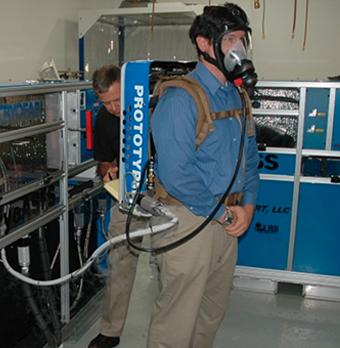
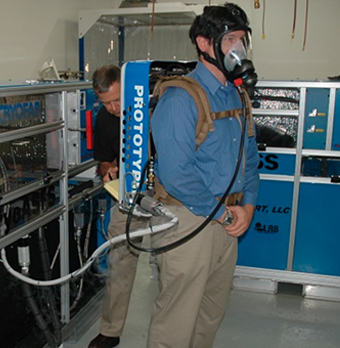
BERL focuses on developing advanced life support technology, including personal protective equipment and cryogenically based long-duration breathing apparatus. They conduct human physiological testing, data collection, and analysis in various lab settings and environmental chambers. BERL also tests and validates medical devices to ensure their reliability and performance.
One notable achievement is working with the National Institute for Occupational Safety and Health (NIOSH) to develop safer and more efficient cryogenic breathing systems for mine workers. BERL incorporated noise-canceling technology into Self Contained Atmospheric Protective Ensemble (SCAPE) suit radios, significantly improving intelligibility and safety during hazardous operations.
BERL's work on the ResQPOD (also known as the Inspiratory Threshold Device) earned them induction into the Spaceflight Technology Hall of Fame in 2008. This device helps prevent drops in blood pressure for astronauts returning from extended space flights and increases the survival rate of patients receiving cardiopulmonary resuscitation.
Written by urgent.news from NASA Science's reporting — not their text. Machine-written — may contain errors; check the original before relying on it.