Benchmarking AMD's BC-250, offering Steam Machine-like performance at half the price — unlocking 40 CUs, eight Zen 2 cores on the repurposed PS5 APU
The popular BC-250 APU has seen some major advancements over the past few months, including a 40CU unlock and enabling all eight Zen 2 cores. We put together a BC-250 machine to see how it works, and what these new mods offer.
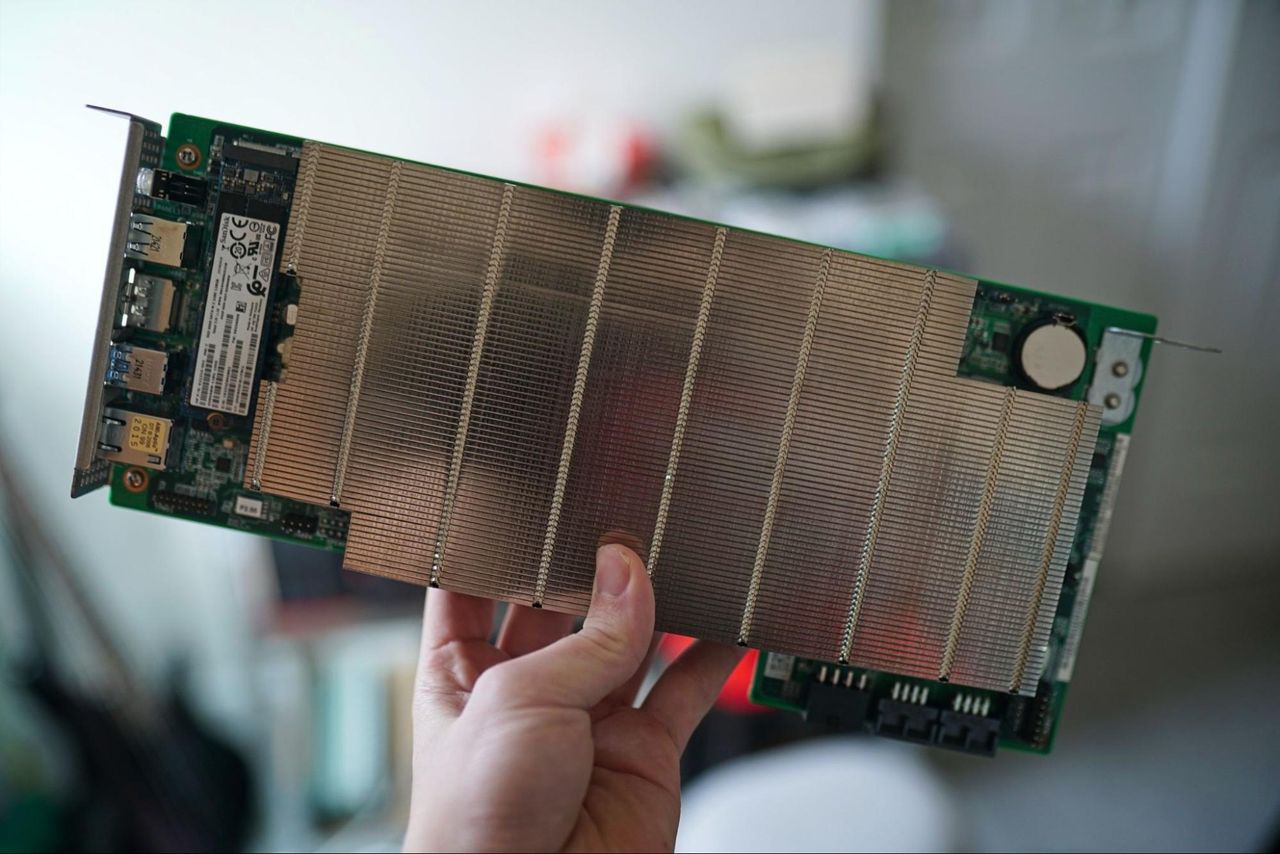
The AMD BC-250 is an APU originally developed for mining cryptocurrency during the crypto boom. Now, it is being repurposed as a Linux gaming board. The board was previously available for under $100, but its current cost has risen to over $200. This article will examine the board and its performance, particularly in comparison to Steam Machine platforms, which are considerably more expensive.
One of the key advantages of the BC-250 is its ability to provide Steam Machine-like performance at around half the price—around $400 to $500, or even less with some additional components. This makes it an attractive option for those seeking a more affordable alternative to high-end gaming systems. The board's hardware includes eight Zen 2 cores and 40 Compute Units (CUs) from an RDNA 2 GPU.
However, two of the Zen 2 cores are disabled, and the GPU defaults to running with 24 active CUs. Community developers have worked to unlock all 40 CUs and enable the additional two CPU cores, transforming the six-core CPU into an eight-core CPU. The BC-250's GPU is similar to that found in the PS5, but it does not represent a cut-down version.
The board also features 16GB of shared graphics memory, running at a speed of 14 Gbps over a 256-bit memory bus. Power consumption is around 220W, and the TDP (Thermal Design Power) is around 220W. The board utilizes an M.2 PCIe 2.0 x2 storage option, which delivers around 1 GB/s of maximum performance with an NVMe SSD. While the BC-250 was not designed for gaming, it can be repurposed for this purpose.
However, users should be prepared to overcome several hurdles, such as managing thermal constraints, overclocking the CPU and GPU, and configuring BIOS settings. Additionally, the board's storage interface is PCIe 2.0 x2, which limits overall performance compared to the more advanced storage found in the PS5.
Written by urgent.news from Tom's Hardware's reporting — not their text. Machine-written — may contain errors; check the original before relying on it.