Battle for the metros will be a complex showdown
Explore the significant trends in voter registration ahead of South Africa's 2026 Local Government Elections, highlighting youth engagement, urban-rural divides, and the implications for political parties
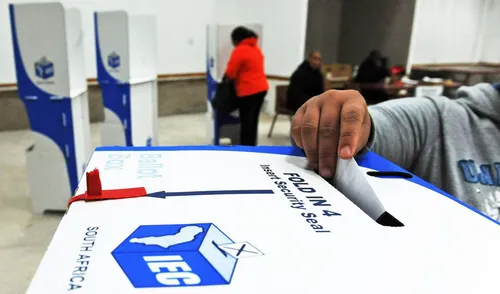
The final voter registration period closed on August 2, 2026, with over 29 million individuals registered to vote. During this last registration weekend, more than 1.7 million people interacted with the Independent Electoral Commission (IEC) to confirm their registration status or register for the first time, with 16% of South Africans registering for the first time.
Youth engagement was crucial, with 26% of all brand-new registrations coming from those aged between 16 and 29. Notably, 46% of new registrations came from voters under the age of 29, outperforming previous election registrants.
Three of the nine provinces made significant strides in youth registration: KwaZulu-Natal (137,046), Eastern Cape (79,417), and Gauteng (78,405). Urban areas also showed a higher registration rate, with Gauteng leading the pack, followed by urban KwaZulu-Natal and the Western Cape.
The implications for the 2026 Local Government Elections (LGE) are clear. With 84% of the population already registered, public interest in this year's LGE surpasses that of the 2021 LGE, which had a voter turnout of 45.79%. The high youth registration rate suggests a strong likelihood of increased voter turnout in 2026.
The battle for the metros is intensifying, with Gauteng and KwaZulu-Natal being the primary focus. KwaZulu-Natal registered the highest number of voters (427,592), followed by Gauteng (314,856) and the Eastern Cape (313,797). Each of these provinces has multiple metros, making them crucial battlegrounds for political parties.
For parties to secure metro control, they must consider youth support, as it's crucial for success. With KwaZulu-Natal being the province with the most attention, the battle for eThekwini will be intense, as it's the province's sole metro. Gauteng will also be a key battleground, with three metros (Ekurhuleni, Johannesburg, and Tshwane) up for grabs.
While the Eastern Cape is an ANC stronghold, there's no guarantee of a majority in its metros due to recent service delivery issues and high crime rates. In Mangaung, the ANC's dominance is expected, though other parties like IFP, DA, and Rise Mzansi have also declared their mayoral candidates. The Western Cape is almost certain to retain its metro for the DA.
The IEC's statistics paint a complex picture of the upcoming LGE, emphasizing that the battle for the metros will be far from straightforward. All political parties will need to strategize carefully to retain or win these metros, taking into account the high youth registration rates and the diverse issues affecting different provinces.
Written by urgent.news from IOL's reporting — not their text. Machine-written — may contain errors; check the original before relying on it.
This story
This is one outlet's version. Read the fullest account.