Bali plans Rp 2.2 trillion tram system to ease congestion
Bali Governor I Wayan Koster said the project, dubbed the autonomous rail rapid transit (ART) , would replace a planned mass rapid transit (MRT) system that broke ground in 2024 but failed to attract sufficient investor interest.
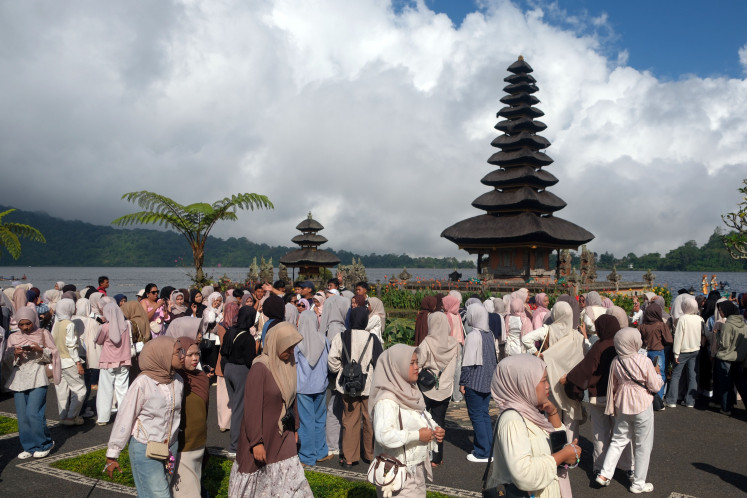
Bali Governor I Wayan Koster announced plans for a Rp 2.2 trillion (US$123 million) electric tram system to address traffic congestion on the popular resort island. Dubbed the autonomous rail rapid transit (ART), the project aims to replace a planned mass rapid transit (MRT) system that began construction in 2024 but struggled to secure investor backing.
Koster explained that the ART system would link I Gusti Ngurah Rai International Airport with the tourist hotspot of Canggu, offering a more feasible and cost-effective solution compared to the MRT. The governor highlighted the ART's easier integration with existing road networks and its technological advantages over the MRT, which would necessitate extensive underground tunneling.
The first phase of the electric tram project is projected to cost 1.2 trillion rupiah, with an additional 1 trillion rupiah needed for the second phase, bringing the total estimated expense to 2.2 trillion rupiah. Koster informed that the state-owned railway operator PT Kereta Api Indonesia (KAI) would likely participate in financing and operating the system.
The governor announced that the first phase would commence the following year, contingent upon the approval of a gubernatorial regulation.
Written by urgent.news from The Jakarta Post's reporting — not their text. Machine-written — may contain errors; check the original before relying on it.