Art, Surveillance, and the Politics of Memory in Southeast Asia
In recent years, the region has seen a worrying rise of moral policing and restrictions on cultural expression.
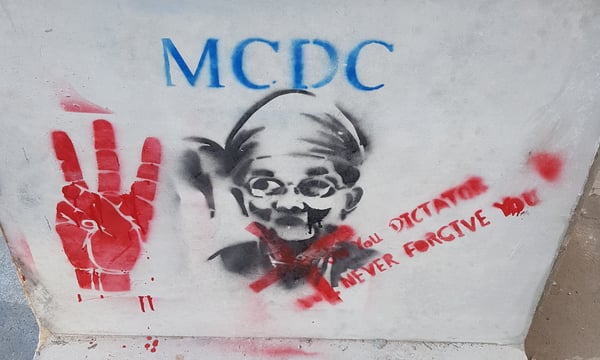
In Southeast Asia, artists and cultural rights defenders are facing increasing threats to their work – threats that extend beyond mere censorship. These threats include public backlash, surveillance, attacks, and the erasure of their creations. This reality is particularly pronounced for LGBTQ+ artists, who often challenge societal norms and face disproportionate scrutiny.
According to ArtsEquator's Southeast Asia Artistic Freedom RADAR Database, there were 159 challenges to artistic freedom in the region in 2025, a trend mirrored by the CIVICUS Monitor's assessment of political repression in the region.
The phenomenon of "moral policing" is a significant challenge for artists in Southeast Asia. This process involves the punishment of artists and communities whose work challenges established boundaries around gender, sexuality, faith, tradition, or national identity. Moral policing can take various forms, from public accusations and social pressure to police scrutiny, cancelled performances, and even physical attacks.
It often goes beyond formal legal charges, manifesting as online harassment, destruction of artworks, and the withdrawal of support.
Vietnam is a case in point. In 2025, the number of challenges to artistic freedom nearly doubled compared to the previous year. An official directive from the Ho Chi Minh City Party Committee's Propaganda and Mass Mobilization Department called for stricter measures against musical activities that deviated from cultural standards.
While no formal bans were imposed, the directive resulted in the removal of music videos from YouTube and the cancellation of several performances. Additionally, the cancellation of VietPride, a major LGBTQ+ event, demonstrates the broader impact of moral policing.
The consequences of these restrictions extend beyond individual artists. They affect the very foundations of civic space, including the rights to speak, gather, remember, imagine, and challenge power. For LGBTQ+ artists, the pressure is compounded by the fact that their identities and practices often challenge dominant norms. Serena Magiliw, a trans actor and theatre artist from the Philippines, highlights the intersection of cultural, political, and economic pressures faced by LGBTQ+ artists. She notes that her ability to perform her art is crucial for her survival.
Despite these challenges, artists persist, finding innovative ways to build community, provide care, and maintain resilience. Their work not only survives but also preserves memory and the legacies of past struggles, reminding future generations of the battles fought and won. Resistance in the form of artistic expression can be as powerful as traditional human rights advocacy, even without the same level of institutional support.
In response to these challenges, organizations like UAF A&P have launched programs such as Shifting Narratives. This initiative supports artists and cultural rights workers in challenging harmful narratives, connecting them with broader networks of rights defenders and providing community care. However, the plight of artists in Southeast Asia underscores the need for stronger legal protections, institutional support, and community networks to safeguard artistic freedom and civic rights.
Written by urgent.news from The Diplomat's reporting — not their text. Machine-written — may contain errors; check the original before relying on it.