Alaskan island cattle evolved DNA unlike most US breeds
Chirikof Island cattle showcase a remarkable blend of Yakut and Hereford genetics, having thrived in isolation on a remote Alaskan island for many generations. Over time, their unique traits have emerged through the challenges posed by the island's harsh environment. This resilient herd not only exemplifies genetic diversity but also provides significant insights into adaptation mechanisms in…
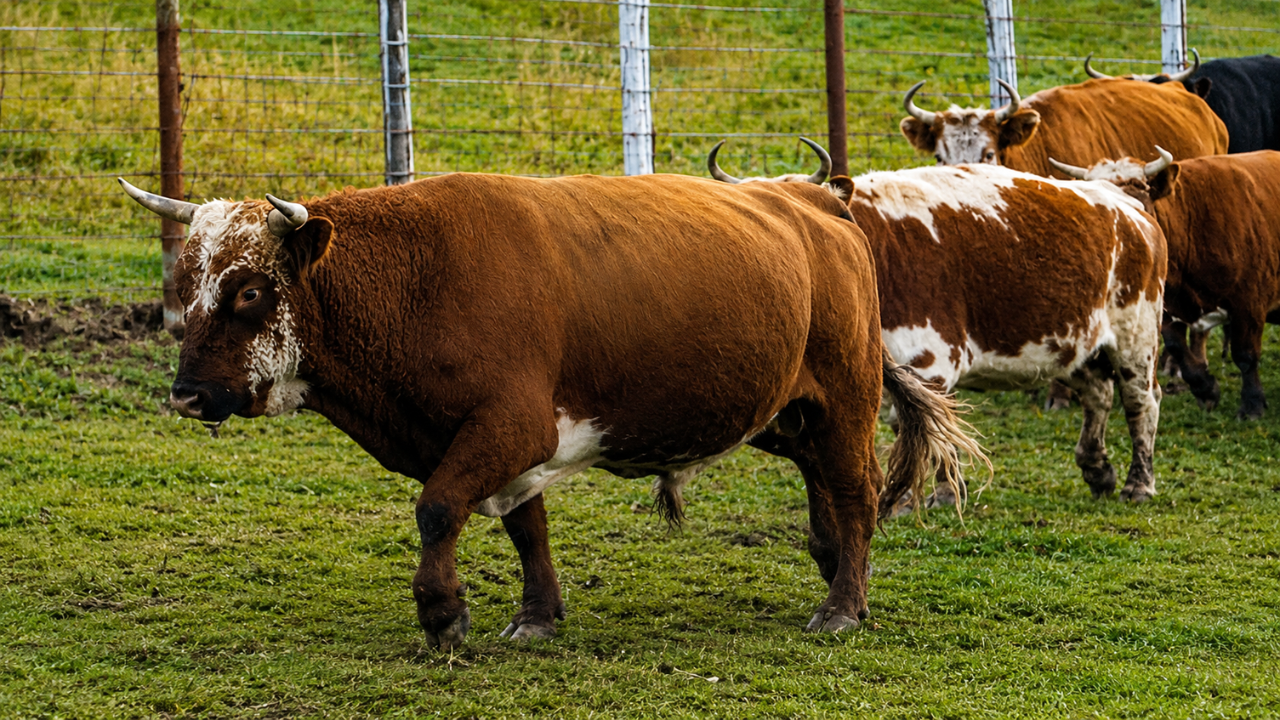
For centuries, cattle have thrived on Chirikof Island, an isolated expanse in the western Gulf of Alaska, where human intervention played a minimal role in their evolution. The animals endured in a tough environment, while domestic cattle elsewhere underwent deliberate breeding. A 2016 Heredity study unveiled that the Chirikof herd's genetics diverged significantly from most US breeds.
The researchers discovered the cattle bore a unique blend of Siberian Yakut and British, especially Hereford, ancestry, with genetic data suggesting island life further molded the population.
Chirikof Island, situated around 61 kilometers from the nearest land and approximately 74 kilometers southwest of the Kodiak Archipelago, posed challenges for cattle transportation due to its lack of a deepwater harbor. As a result, small groups of cattle could become isolated on the island. Historical records indicate that Yakut cattle from Siberia likely arrived first during the late 18th and 19th centuries, while European cattle followed later.
Genetic analysis of 10 Chirikof Island cattle compared their DNA with cattle from across the globe, revealing a distinctive mix of Yakut and Hereford ancestry. Approximately 49-59% of their genetic makeup resembled Hereford cattle, while 33-40% mirrored Yakut traits, with the rest derived from various other cattle populations. The genetic evidence corroborated historical accounts, suggesting that Yakut cattle arrived first, European taurine cattle joined around the 1800s, and later, Hereford cattle arrived around 40 years prior to the study.
The cattle's long-term isolation on the challenging island environment may have influenced their genetic composition. Researchers identified 12 SNPs across eight loci indicating strong selection. Though underpowered due to the small sample size, the findings suggested that natural selection favored genetic variants that aided some individuals in surviving and reproducing under these conditions. The Chirikof cattle were not just a frozen remnant of their original breeds but had evolved over time.
The discovery holds significance for conservation scientists. Feral livestock can maintain genetic variation absent in intensively managed commercial breeds. The Chirikof cattle, with their mixed ancestry and long isolation, emerged as a genetically distinct population compared to other North American cattle. Their unique British and Siberian ancestry, along with potential adaptation traits to the island's demanding environment, make the herd valuable for preserving genetic diversity.
Written by urgent.news from Times of India's reporting — not their text. Machine-written — may contain errors; check the original before relying on it.