AI Is Helping Solve the Intricate Genetic Puzzle of Schizophrenia
Recent findings provide one of the most detailed pictures to date of the genetic architecture of schizophrenia, opening up new avenues for research into the disorder.
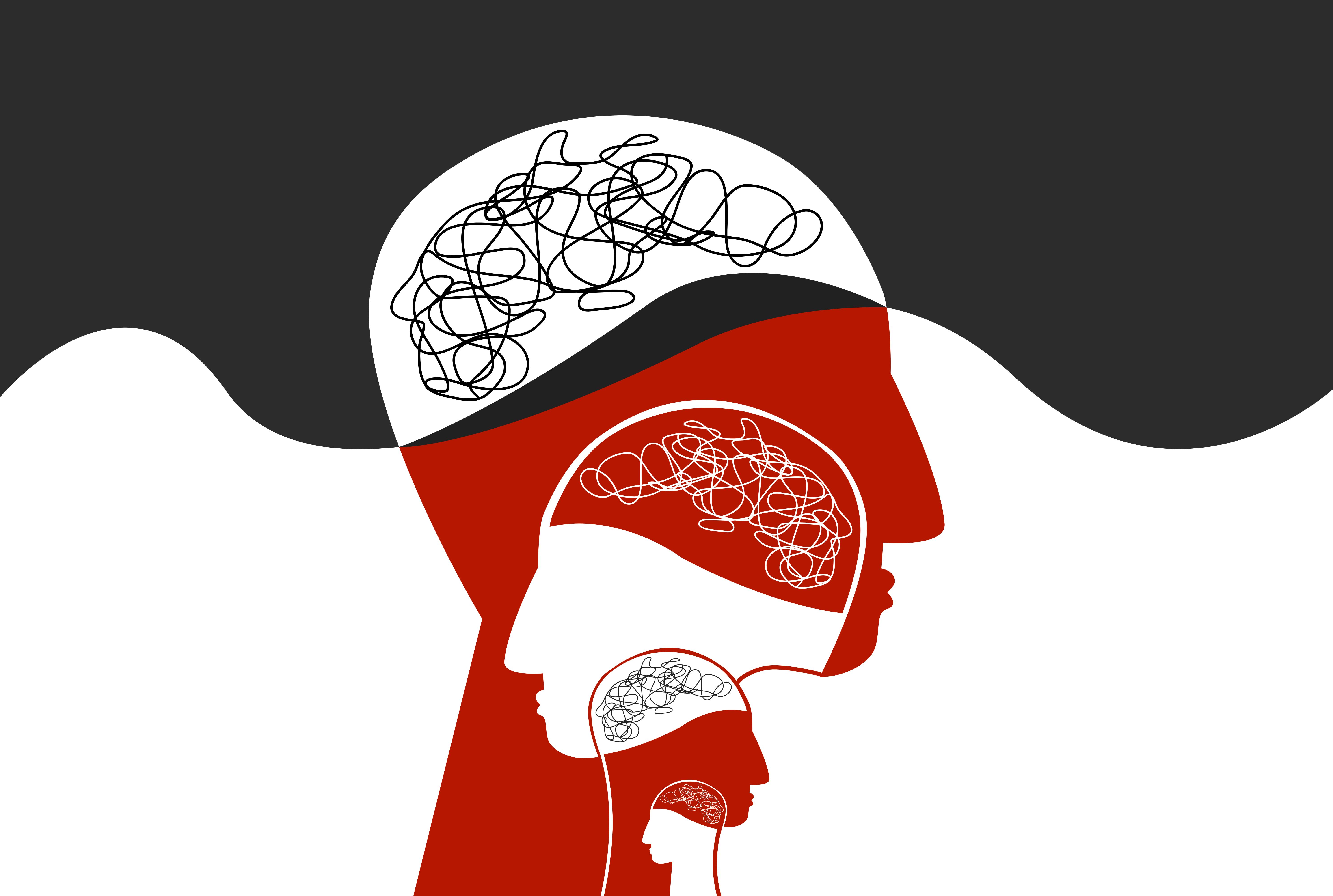
The intricate genetic puzzle of schizophrenia is being unraveled with the help of artificial intelligence. Recent research published in Nature Genetics has identified 766 genes linked to the condition, many of which were previously unknown. These genes are thought to function as part of an interconnected network rather than isolated elements, similar to turning on the lights in an entire neighborhood.
This discovery paints a much clearer picture of the disease's genetic map. The study analyzed genetic data from over 102,000 individuals and brain tissue samples from six regions, obtained from hundreds of donors. Researchers from the Lieber Institute for Brain Development, the University of Bari, and numerous psychiatric centers worldwide collaborated on the project.
Schizophrenia affects approximately 23 million people globally, with about one in every 345 individuals diagnosed. While a family history increases risk, it does not determine the disease. Symptoms range from hallucinations and delusions to social isolation and cognitive difficulties. The complexity of these symptoms reflects the intricate biological mechanisms at play, suggesting a network of interacting processes rather than a single gene responsible. Understanding this network could pave the way for more targeted treatments.
Written by urgent.news from Wired Science's reporting — not their text. Machine-written — may contain errors; check the original before relying on it.
This story
This is one outlet's version. Read the fullest account.