AI Is Helping Solve the Intricate Genetic Puzzle of Schizophrenia
Recent findings provide one of the most detailed pictures to date of the genetic architecture of schizophrenia, opening up new avenues for research into the disorder.
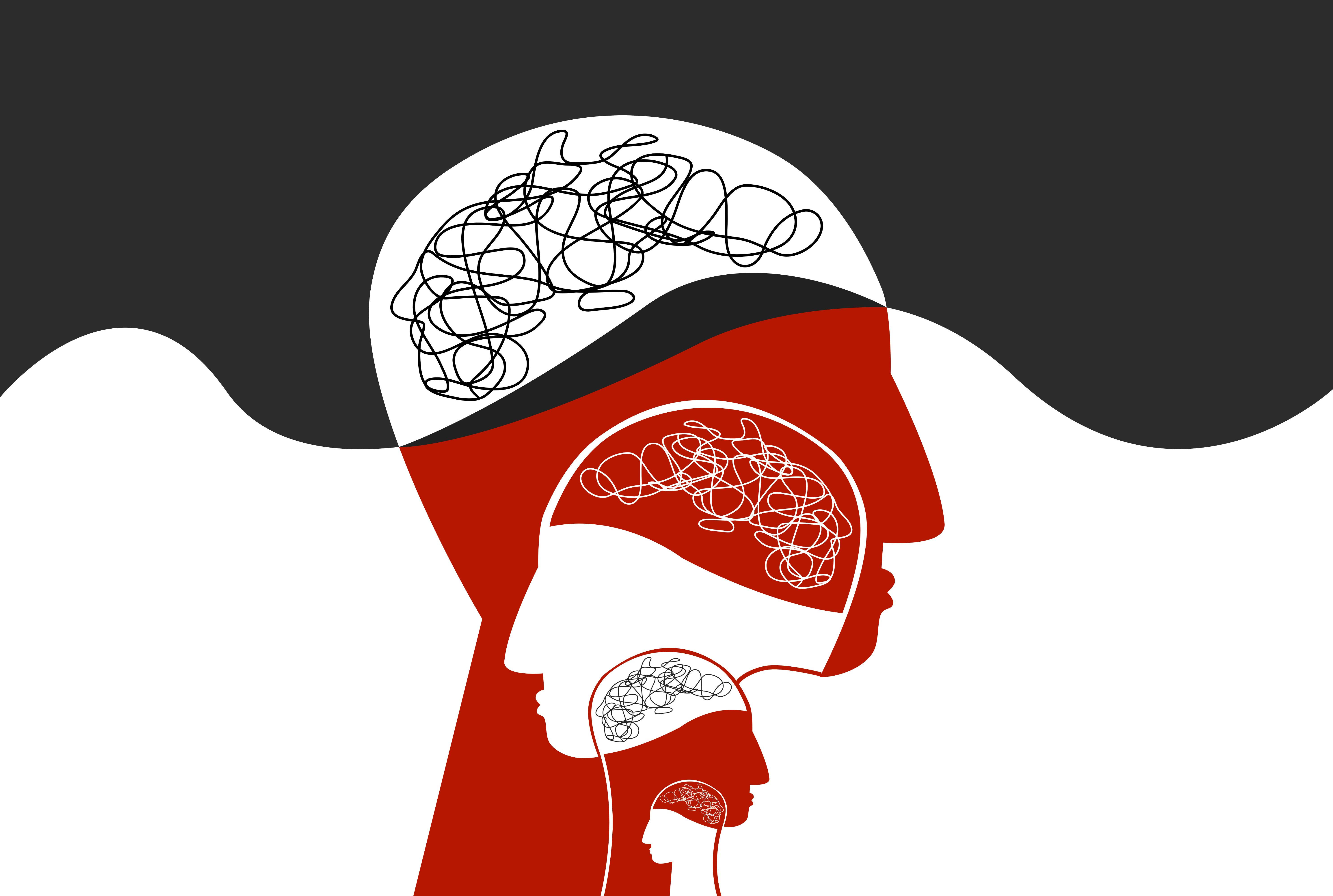
The intricate genetic architecture of schizophrenia demands more than just identifying individual root causes. Scientists must understand gene interactions and network formation that can amplify risk. To achieve this, AI-based computational models reconstruct coordinated activity of thousands of genes within the human brain. A study in Nature Genetics offers a detailed picture, identifying 766 genes associated with schizophrenia, 641 of which were previously unknown.
These genes were found through long-range genetic regulatory signals, suggesting they function as an interconnected network rather than isolated elements. This revelation is akin to illuminating an entire neighborhood, expanding the genetic map beyond isolated houses. The study analyzed over 102,000 genetic data points and brain tissue samples from six regions.
Researchers from multiple institutions collaborated on this project. The World Health Organization estimates 23 million people worldwide, roughly one in 345, suffer from schizophrenia. While genetics play a role, the disease's complex nature means multiple biological factors interact. Symptoms vary widely, including hallucinations, delusions, social isolation, and cognitive impairments.
Rather than a single gene, schizophrenia emerges from a vast network of interacting processes, reflecting the disorder's complexity.
Written by urgent.news from Wired's reporting — not their text. Machine-written — may contain errors; check the original before relying on it.