A new type of levee is taking root in Northern California
Combining flood mitigation with wetland habitat restoration, "horizontal levees" could protect coastal cities and wildlife from rising seas.
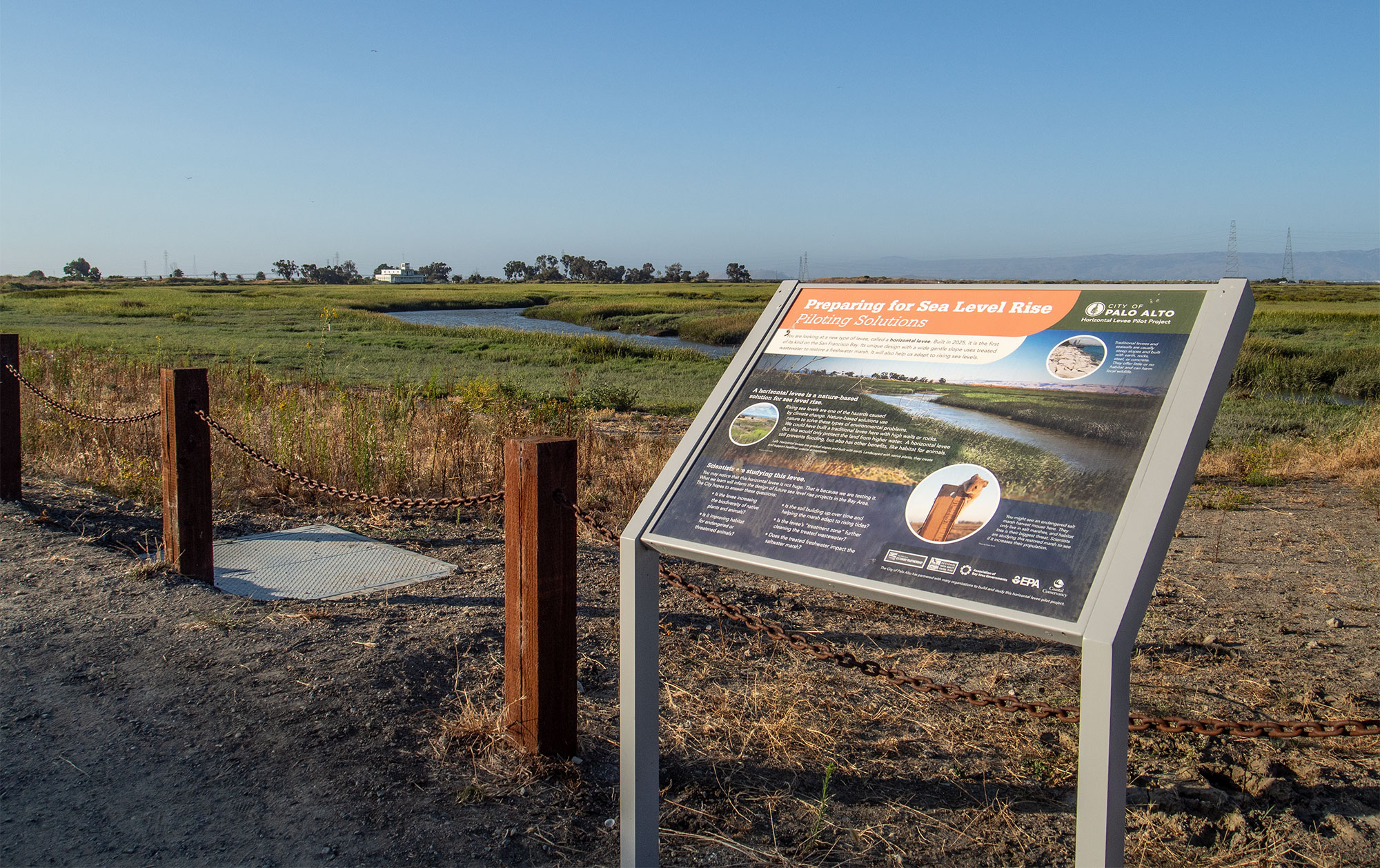
In Northern California, a new type of levee is emerging in the Palo Alto Baylands Nature Preserve, blending into the estuary's natural scenery while providing flood mitigation and habitat restoration. Unlike traditional steep, barren embankments, this living levee features over 35 species of native plants, creating a gradual slope to break waves like a beach.
Designed to mimic natural estuaries, the project, completed in 2017, is the first hydrologically connected to the Bay, with treated wastewater irrigating the plants and removing nitrogen before it filters into the Bay. The horizontal levee also offers a habitat for endangered salt-marsh harvest mice, aiding in their protection against rising tides and encroaching development.
Over the next five years, researchers will monitor the site's benefits, which could help justify the higher costs of green infrastructure projects. With sea level projected to rise 3 to 6 feet by 2100, this innovative levee could provide crucial protection for Bay Area residents in the coming decades.
Written by urgent.news from Grist's reporting — not their text. Machine-written — may contain errors; check the original before relying on it.