A gripping account of the hunt for the treasure-laden San José shipwreck
A new book details the obsessive quest to find the sunken ship and, following its discovery, the various claims to the ship's billion dollar cargo
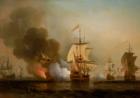
In 1708, the Spanish galleon San José, laden with treasure, sank off the coast of Colombia during a battle with the British Royal Navy. Discovered by Colombian authorities in 2015, the ship's recovery has been fraught with challenges, including technological limitations, philosophical debates, and ownership disputes. Its contents are estimated to be worth between $4bn and $20bn, sparking disagreements among various parties.
For indigenous South American groups, the gold was taken from their ancestors, while Spain views the ship as a military relic and resting place for 600 lost souls. Cuban American archaeologist Roger Dooley played a crucial role in locating the wreck, having been taken to Cuba as a child and later studying archaeology in Havana. Dooley, who identifies as Roger Montañés Caballero, became entangled in the Cuban revolution and gravitated towards archaeology, distancing himself from the treasure-hunting culture.
After discovering the San José through a research visit, Dooley faced challenges gaining credit for his efforts and was excluded from the ceremony announcing the find. The ownership of the treasure remains contested, with ongoing legal disputes between Colombia and American investors, and Spain asserting national ownership. The case highlights the complexities of underwater archaeology, with questions of cultural preservation, historical significance, and financial gain.
Written by urgent.news from The Art Newspaper's reporting — not their text. Machine-written — may contain errors; check the original before relying on it.