Why Pakistan Is Pleased With Its Counterterrorism Dialogue With the US
If the early rounds of talks focused on terror threats to U.S. security, the last two rounds included discussion of the BLA and TTP – threats to Pakistan’s security.
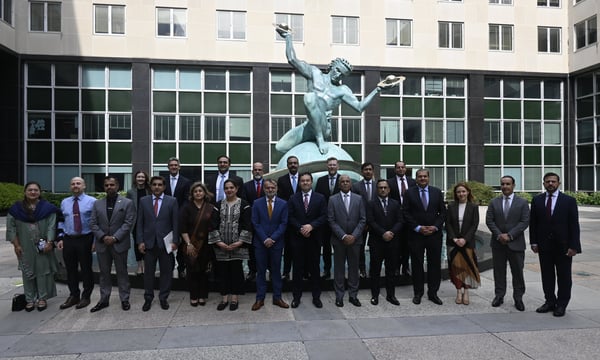
Pakistan welcomed the fourth annual Counterterrorism Dialogue with the United States, held on August 4 in Washington, D.C. The Pakistani delegation was led by Ambassador Nabeel Munir, while U.S. Coordinator for Counterterrorism Gregory LoGerfo represented the American side. The joint statement emphasized their shared commitment to combating terrorist organizations that threaten their citizens and regional stability, including ISIS-K, al-Qaida, the Tehreek-e-Taliban Pakistan (TTP), and the Balochistan Liberation Army (BLA) and its affiliates.
This annual dialogue demonstrates that counterterrorism remains a vital pillar of Pakistan-U.S. relations, which have endured broader geopolitical shifts since its inception in 2023. Initially, the dialogue focused on re-establishing structured engagement after the U.S. withdrawal from Afghanistan, which temporarily disrupted bilateral security cooperation.
By 2024, the framework prioritized TTP and ISIS-K as key regional threats. In 2025, the dialogue formally included the BLA, a significant diplomatic victory for Pakistan. The 2026 dialogue expanded cooperation to reintroduce al-Qaida into the joint threat environment, reflecting persistent U.S. concerns about core militant networks operating in the region.
From Pakistan's perspective, the dialogue's evolution reflects a shift towards balancing bilateral security dynamics, now acknowledging U.S. concerns about internal security challenges posed by the BLA and TTP. This evolving partnership aims to translate joint statements into concrete support, such as dismantling cross-border sanctuaries and pressuring regional facilitators of BLA and TTP attacks by disrupting their funding and operational networks.
Written by urgent.news from The Diplomat's reporting — not their text. Machine-written — may contain errors; check the original before relying on it.