Why Did the Ancient Romans Bury This Monumental Marble Statue Face Down? They Wanted to Repurpose It as a Paving Stone
Archaeologists discovered the roughly 2,500-year-old sculpture of a young man while conducting excavations at Sardis in western Turkey. The artwork reflects the different cultures that wielded control over the city in the first millennium B.C.E.
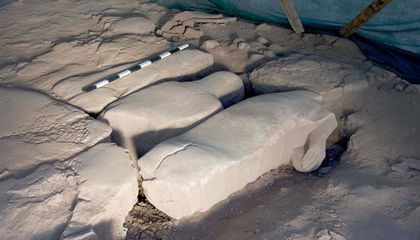
In ancient times, a sculptor in modern-day Turkey crafted a towering marble statue of a youthful figure holding a piece of fruit, intended for divine offerings. Centuries later, following the Roman conquest of the region in 133 B.C.E., this marble masterpiece underwent a remarkable transformation and served as a paving stone in the bustling city of Sardis.
Archaeologists unearthed the repurposed statue during excavations in Sardis, the former capital of the ancient kingdom of Lydia, in what is now western Turkey. The seven-foot-tall statue, dating back to between 470 and 450 B.C.E., offers a fascinating glimpse into the artistic and cultural exchanges of the time. The sculpture's unusual composition, blending older sixth-century B.C.E. traditions with more contemporary fifth-century B.C.E. features, showcases the skill and adaptability of the sculptor.
The figure's hairstyle, clothing, and distinctive hand details all contribute to its unique character, reflecting a blend of artistic influences that transcended the political boundaries of the period. The repurposing of the marble statue underscores the pragmatic reuse of artistic masterpieces, transforming them from divine offerings into functional elements of urban infrastructure.
As archaeologists meticulously clean, examine, and restore the statue, they aim to preserve its historical significance and bring to light the daily lives and beliefs of Sardis' elites who commissioned the work during a period of significant cultural transition. Once restored, the statue will be displayed in the Manisa Museum, offering visitors a unique opportunity to appreciate the rich artistic heritage of ancient Anatolia.
Written by urgent.news from Smithsonian's reporting — not their text. Machine-written — may contain errors; check the original before relying on it.