The Andromeda galaxy may be getting bullied by a smaller galactic neighbor, scientists find
Andromeda has slowed its star-forming rate over the last 40 million years. Scientists think they finally know why.
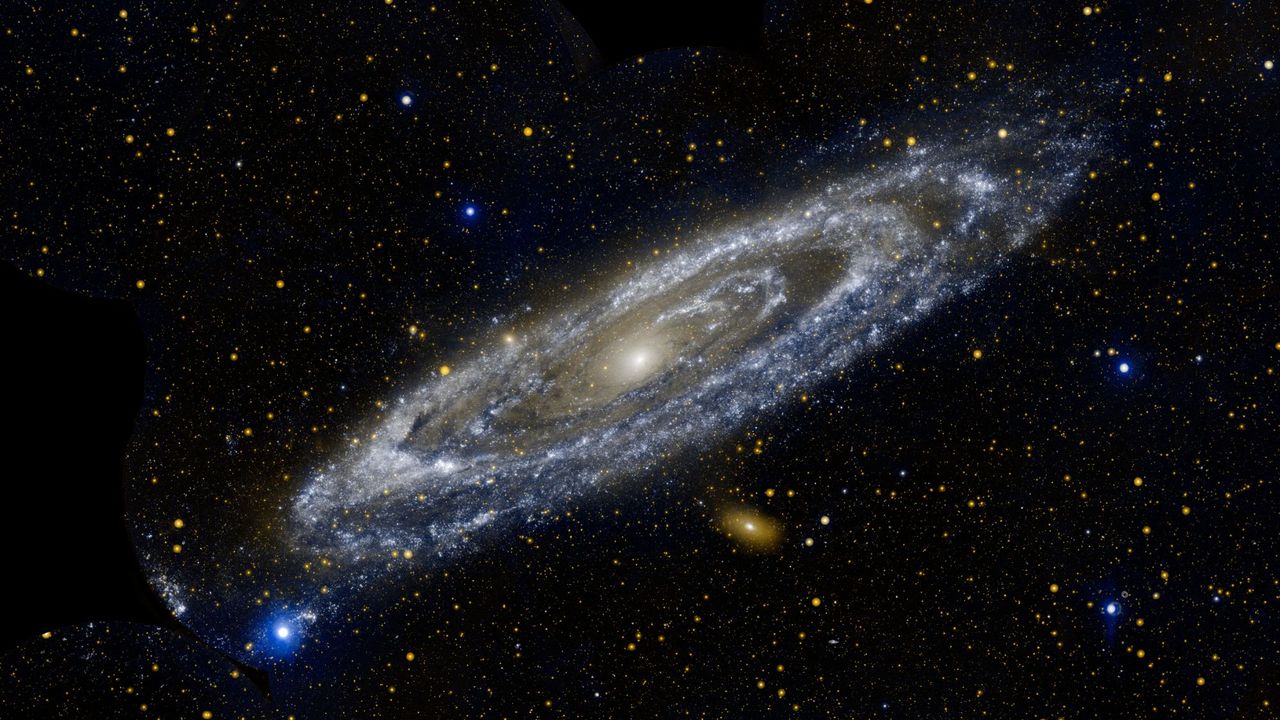
Recent observations by the Hubble Space Telescope have revealed that Andromeda, our Milky Way's nearest major galactic neighbor, may be experiencing a slowdown in star formation due to the gravitational influence of a nearby, smaller galaxy named M32. Utilizing Hubble's surveys of Andromeda, a research team found that the galaxy's star formation rate has significantly decreased over the past 40 million years.
Previously, Andromeda experienced a surge in star formation approximately 2 billion years ago, likely triggered by a collision with an unknown galaxy. Although the team cannot definitively attribute the current star formation decline to M32, it is the most plausible suspect. Intriguingly, Andromeda's star formation slowdown appears to be more pronounced on the side of the galaxy closest to M32, which is only about 16,000 light-years away.
As the upcoming Nancy Grace Roman Space Telescope is set to launch, it will provide astronomers with even more detailed observations of Andromeda, potentially offering further insights into the relationship between these two galaxies.
Written by urgent.news from Space.com's reporting — not their text. Machine-written — may contain errors; check the original before relying on it.