Why Bangladesh’s Tarique Rahman government can’t ignore Sheikh Hasina
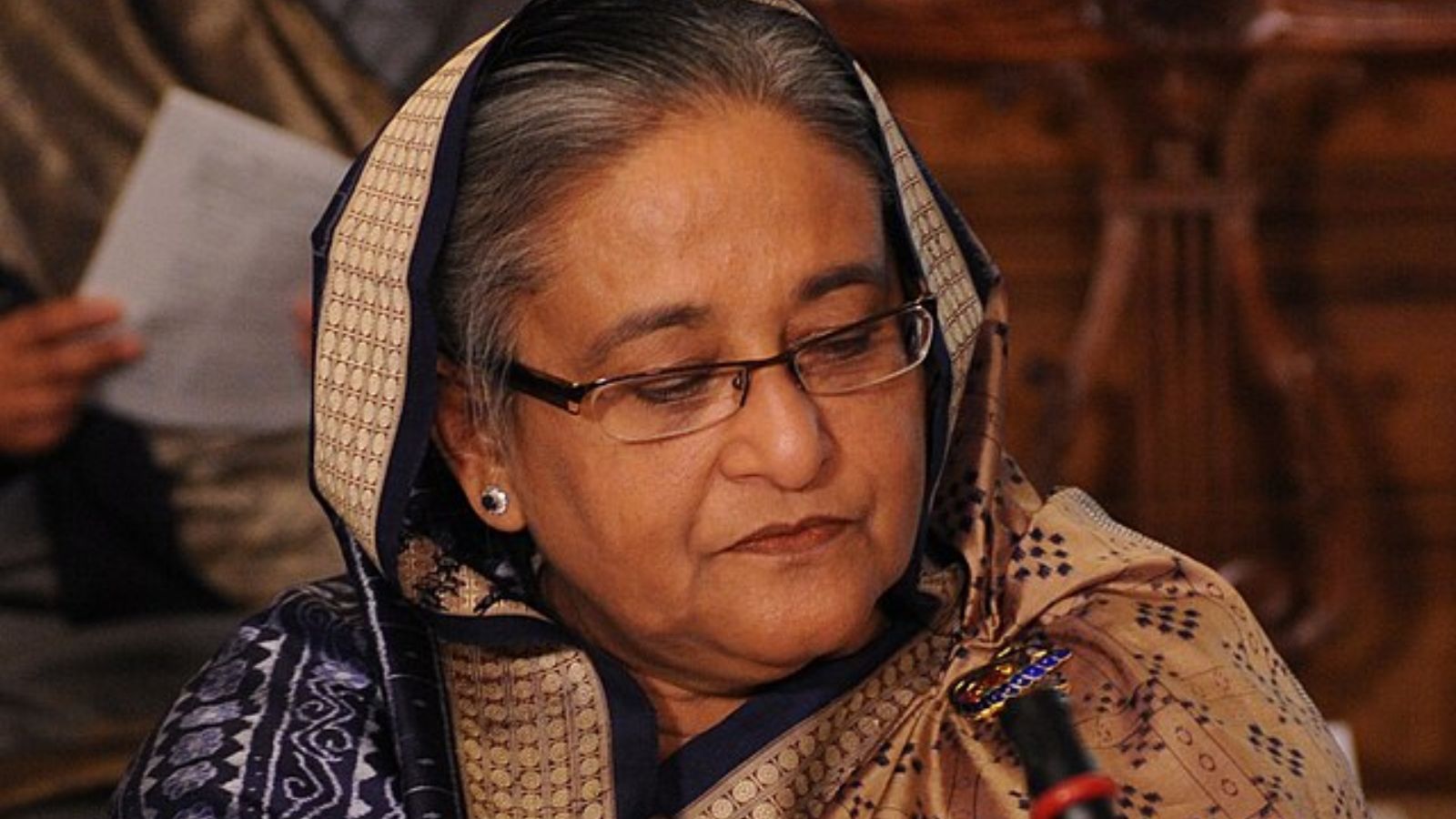
Sheikh Hasina's recent address in New Delhi serves as a significant political statement and an assessment of her support base. The Foreign Correspondents' Club in South Asia hosted the event virtually, where Hasina announced her willingness to return to Bangladesh and face any consequences, including potential threats to her life.
She invoked her family's legacy, recalling the 1971 liberation war and her previous exile and arrests. Hasina also highlighted the BJP's attempts to prevent her entry and mass welcome in 2007, which could hint at her potential return in December.
The question now arises: Will her proposed return reinvigorate political competition in Bangladesh or deepen existing divisions? The outcome will impact the Awami League (AL), the country's domestic politics, and its relationship with India. Hasina presented three demands: lifting the AL's ban, releasing political detainees, and restoring media and judicial independence.
She also cited Mohammad Yunus' statement, alleging political conspiracies behind the 2024 movement and questioning the legitimacy of the current political arrangement.
BNP, another key player, has also claimed the 1971 legacy, but its current approach doesn't leave room for the AL. Bangladesh's Ministry of Foreign Affairs has expressed outrage over Hasina's live media interaction from India, demanding her extradition under the Extradition Treaty of 2013. Despite the ban on the AL, it still maintains a significant presence and support base across Bangladesh, potentially garnering 30% of voters in inclusive elections.
If accepted, Hasina's return could elicit a strong welcome, reminiscent of 2007. However, the incumbent establishment is uneasy about potential political openings for the AL, fearing a swift reorganization.
Hasina's address wasn't broadcast in Bangladesh, prompting Prime Minister Tarique Rahman's need for support. Given the Jamaat-e-Islami's (JeI) rivalry with the AL, Rahman might accommodate the AL's activities to counterbalance JeI and maintain stability. India has been working towards restoring the warmth in relations with Dhaka, inviting Hasina to the BRICS summit and arranging her visit to Bangladesh for Khaleda Zia's funeral.
Nonetheless, the two countries still face unresolved issues, such as the Ganges Water Treaty, Teesta water-sharing, and extradition. As Bangladesh grapples with shifting politics and strategic challenges, resolving political disputes through democratic means is crucial for a stable future.
Written by urgent.news from The Indian Express's reporting — not their text. Machine-written — may contain errors; check the original before relying on it.
This story
This is one outlet's version. Read the fullest account.