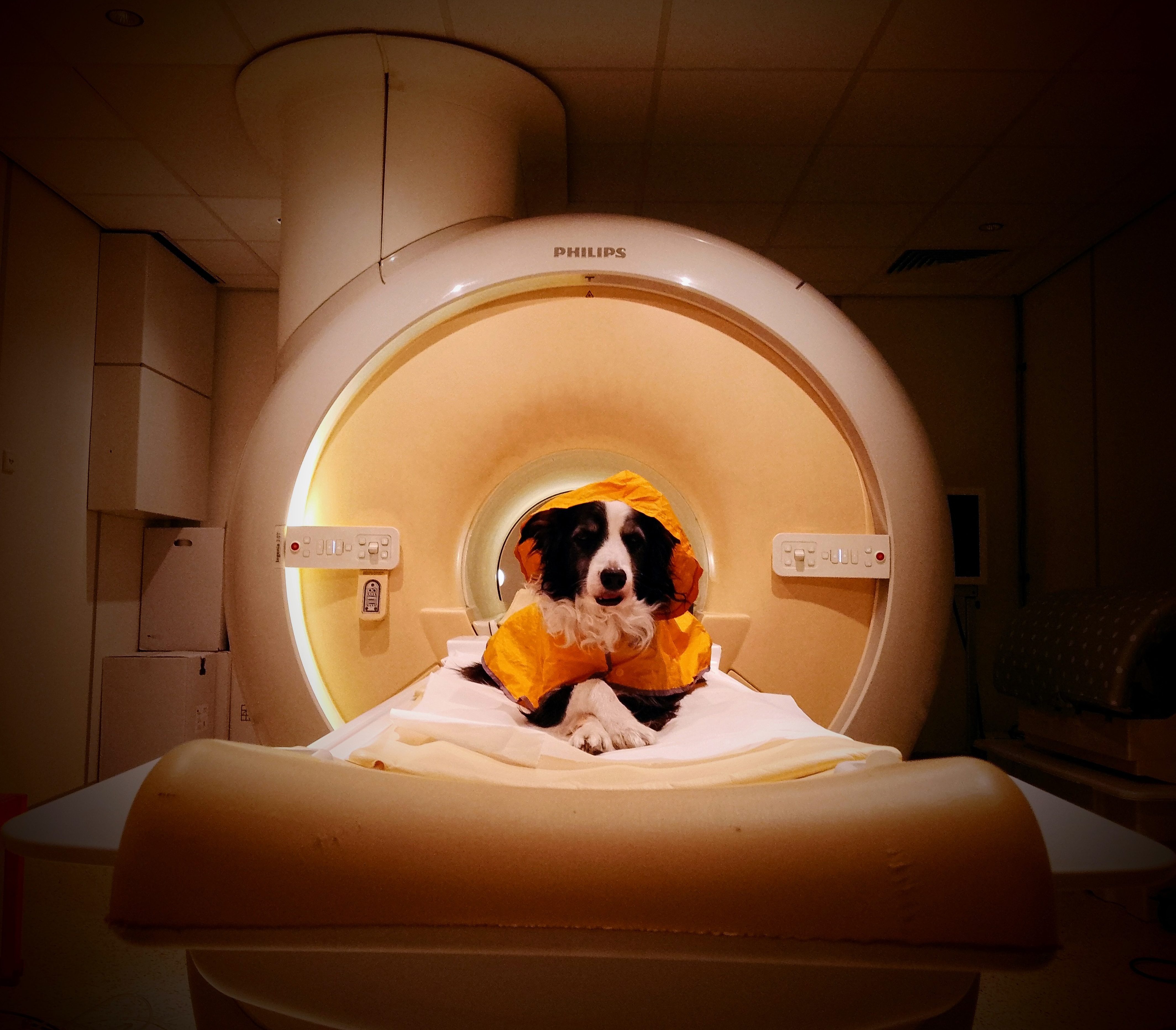
What primates tell us about the evolutionary origins of keeping pets
Keeping pets seems to be fairly recent behaviour in the timeline of human evolution. Columnist Michael Marshall turns to the latest research on primates to understand how long we’ve had the impulse to adopt furry friends
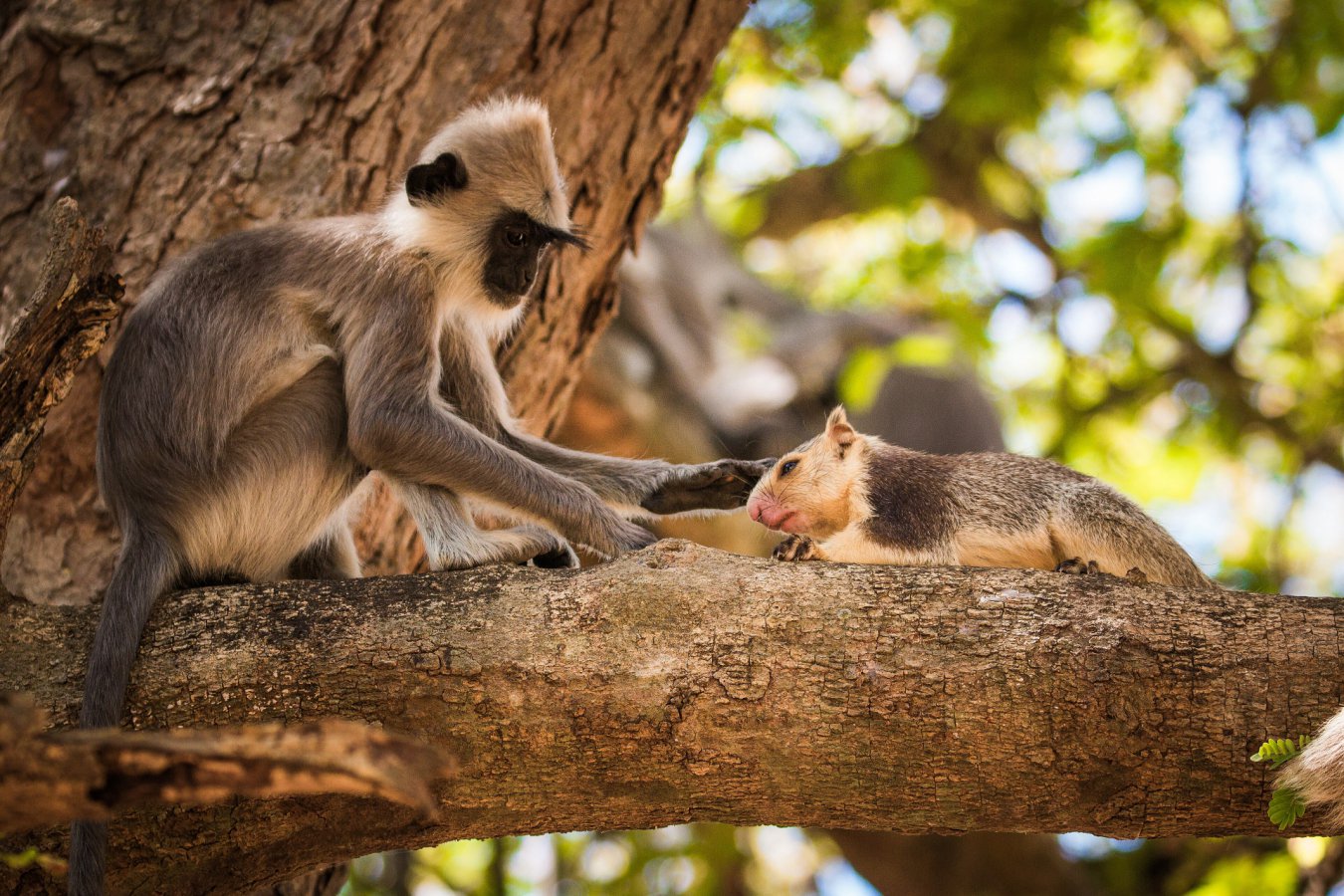
This article explores the evolutionary origins of keeping pets by examining the social behaviors of primates toward other species. Researchers have discovered that primates, which belong to the same group as humans, often engage in affiliative behaviors with heterospecifics, or animals of different species. For example, a gibbon has been observed caressing a mouse, and black-and-white snub-nosed monkeys have been seen jumping on domestic pigs to play with them.
The study, published in the journal Primates, documents 88 primate species interacting socially with either other primates or more than 100 non-primate species. These interactions, which include play and grooming, were found to be relatively common in both wild and captive settings. This suggests that the behavior of forming social bonds with other species may have been present in our evolutionary past and could be a precursor to modern pet-keeping.
Written by urgent.news from New Scientist's reporting — not their text. Machine-written — may contain errors; check the original before relying on it.