What causes those electric-blue flashes at the local boat ramp?
Videos posted on social media have Brisbane residents heading out to get a glimpse of neon-blue bioluminescence. But what causes it, and is finding it more than blind luck?
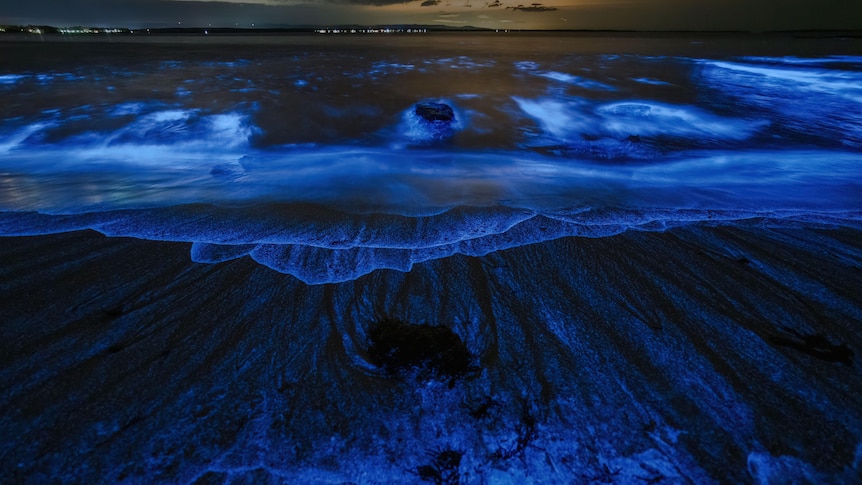
If you spot an electric-blue flash while taking a dip at Brisbane's local swimming spot, it's likely just bioluminescence. Videos from boat ramps around the city capture this phenomenon, which appears as a glowing blue light in the water when disturbed. While bioluminescence isn't as common in Queensland as in other regions, it can be quite spectacular when conditions align.
This glowing effect is produced by marine species of dinoflagellates, specifically Noctiluca scintillans, also known as sea sparkles. These tiny unicellular creatures feed on diatoms and algae through photosynthesis and release light as a response to disturbance or movement in the water. Professor Michele Burford from Griffith University explains that the dinoflagellates release light in a chemical reaction triggered by some form of threat or water movement, causing a light pulse.
These organisms gather together in blooms near the water's edge, creating the glowing effect that appears as one entity but is actually a multitude of tiny organisms lighting up simultaneously. While bioluminescence is not uncommon in nature, marine ecology expert Vincent Raoult notes that it's unclear why the organisms flash their lights, with potential explanations including communication, warning signals, or attracting food in deep sea environments.
The best time to witness bioluminescence is at night, preferably during winter months, with the lower Brisbane River being a potential hotspot.
Written by urgent.news from ABC News AU's reporting — not their text. Machine-written — may contain errors; check the original before relying on it.