We should smile at our dogs - a new scientific study reveals why
Scientists have worked out what is going on inside a dog's brain when it sees a human smiling or scowling.
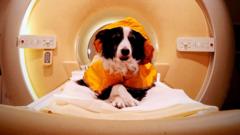
A new scientific study has shed light on why we should smile at our dogs. Researchers at the University of Vienna found that dogs are able to detect human emotions, even in strangers, by observing facial expressions. In the study, 14 dogs were scanned in a brain scanner while watching pictures of people's faces. Seeing happy, smiling faces activated the brain's reward circuitry, which is associated with feelings of pleasure and reward.
This same region of the brain is activated in humans when we experience joy, such as winning a game or receiving praise. Laura Cuaya, one of the study's lead researchers, explained that the reward circuitry controls our motivation to do things, and this finding suggests that happy faces, even from strangers, hold positive value for dogs.
The researchers also tested how dogs responded to other emotions, such as anger, fear, and sadness, but found that the reward circuitry only reacted to happy faces. Cuaya and her co-researcher Raúl Hernández-Pérez have been conducting research on canine cognition for years, and their findings could help improve communication between humans and their dogs.
Cuaya and Hernández-Pérez, who are also partners in life, recruited dogs and their owners from dog parks, including their own border collies Odín and Kun-kun, for their studies. The researchers believe that thousands of years of living alongside humans has shaped dogs' brain circuitry to understand human emotions, setting them apart from other primates.
Cuaya hopes that their findings will encourage people to smile at dogs, fostering a more positive relationship between humans and their canine companions.
Written by urgent.news from BBC News's reporting — not their text. Machine-written — may contain errors; check the original before relying on it.