Vivir, morir y sobrevivir a la epidemia de ébola de crecimiento más rápido jamás registrado de la historia
Una enterradora, una médica, un desplazado, una superviviente y un viudo cuentan cómo afrontan en la República Democrática del Congo el segundo brote de ébola con más casos
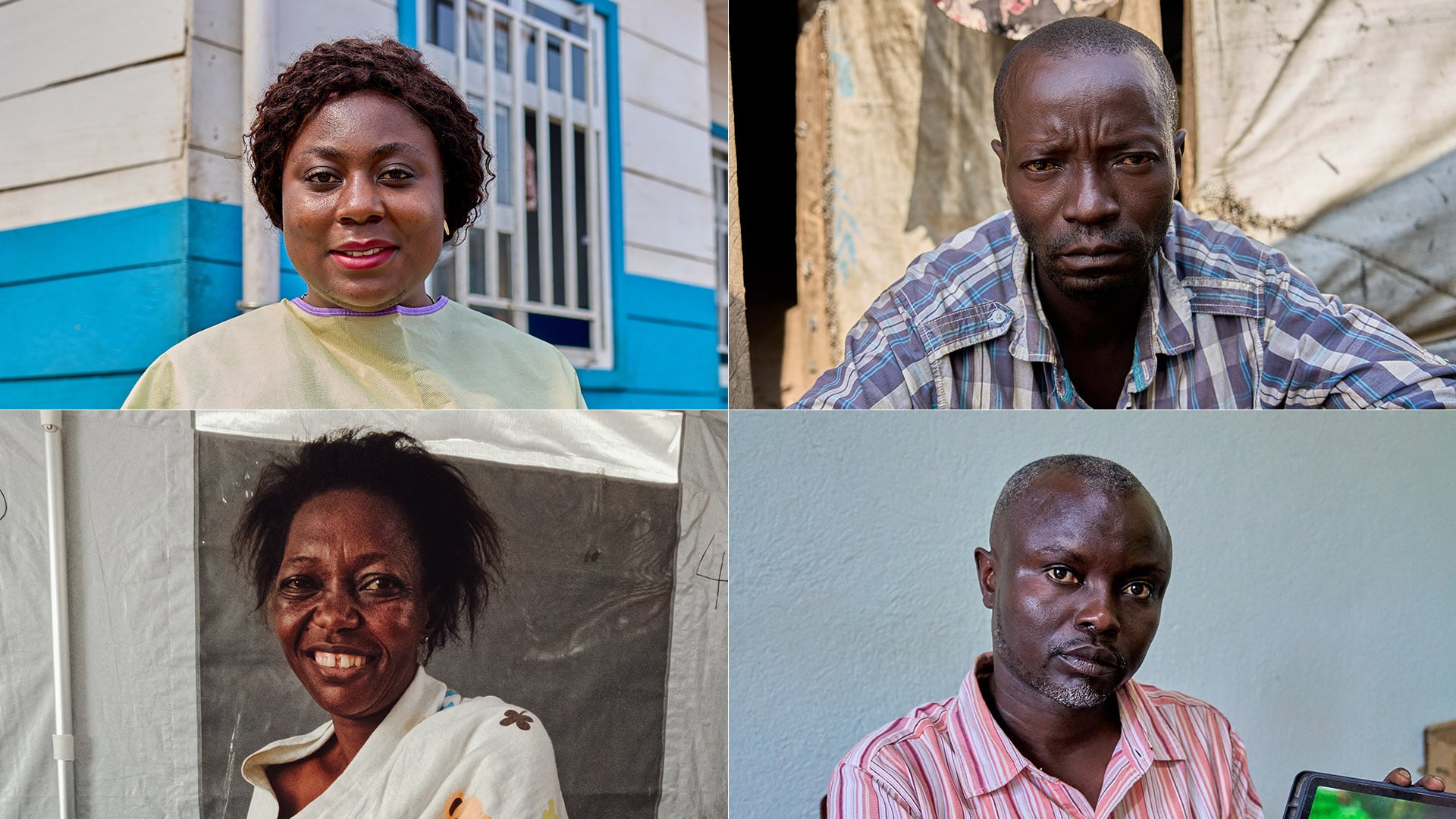
Badya Piracel Florence is deployed to Bunia, the epicenter of the Ebola outbreak declared on May 15 in the Democratic Republic of Congo (DRC). Her mission is to bury those who have died from Ebola without putting the living at risk. She encounters the same scene in every intervention: devastated families, people desperate to say goodbye to their loved ones, parents, children, and siblings desiring one last touch of the body they are about to lose.
She must prevent this. "We are not here to stop families from grieving. Our mission is to protect the living while honoring the deceased with respect and dignity," she explains to this newspaper. Ebola, one of the world's most lethal infectious diseases, can continue to spread after death through contact with the victim's body.
Written by urgent.news from El Pais's reporting — not their text. Machine-written — may contain errors; check the original before relying on it.