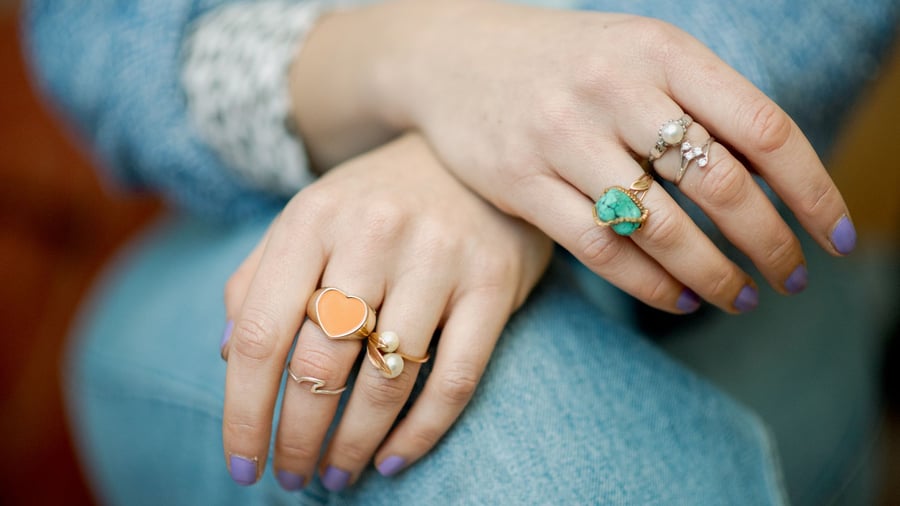
“Creatine yes, but vitamin D no”: Is there also gender bias around supplements?
Men take them above all to improve their athletic performance; women, the biggest consumers, take them to improve their quality of life or alleviate symptoms during specific stages such as menopause. But while there are decades of research on creatine, products for women are not always studied.
It's normal to be tired. It's normal to sleep worse. It's normal to gain weight. It's normal to have small forgetfulness. Too many experiences in stages like perimenopause are dismissed with one word: normal. This transition period to menopause can last up to 10 years with hormonal changes capable of affecting quality of life, but for medicine, they have not deserved an explanation for a long time.
Nor have the symptoms of menopause been important: “Here is a scene that repeats itself,” Melinda French Gates denounced in a column in The New York Times last June, “a woman enters her doctor's office with a series of increasingly debilitating symptoms (destroyed sleep, sore joints, racing heart, memory loss) and leaves without a diagnosis, without treatment, and without a plan.”
A meta-study published last June in The Lancet corroborated, reviewing 89 publications, how health systems do not provide coordinated care and why women feel ignored, unsupported, and misinformed.
Translated by urgent.news. Machine-written — may contain errors; check the original before relying on it.