US does its robotics industry no favours by fencing it off from China
Concession speeches follow a formula: the vocabulary of defiance, thanks to the faithful, a promise that the fight goes on. Last month, Brendan Carr, chairman of the US Federal Communications Commission (FCC), essentially delivered one on behalf of American robotics. Acting on findings from a White House task force, Carr added new foreign-made humanoid robots, quadrupeds and power inverters to…
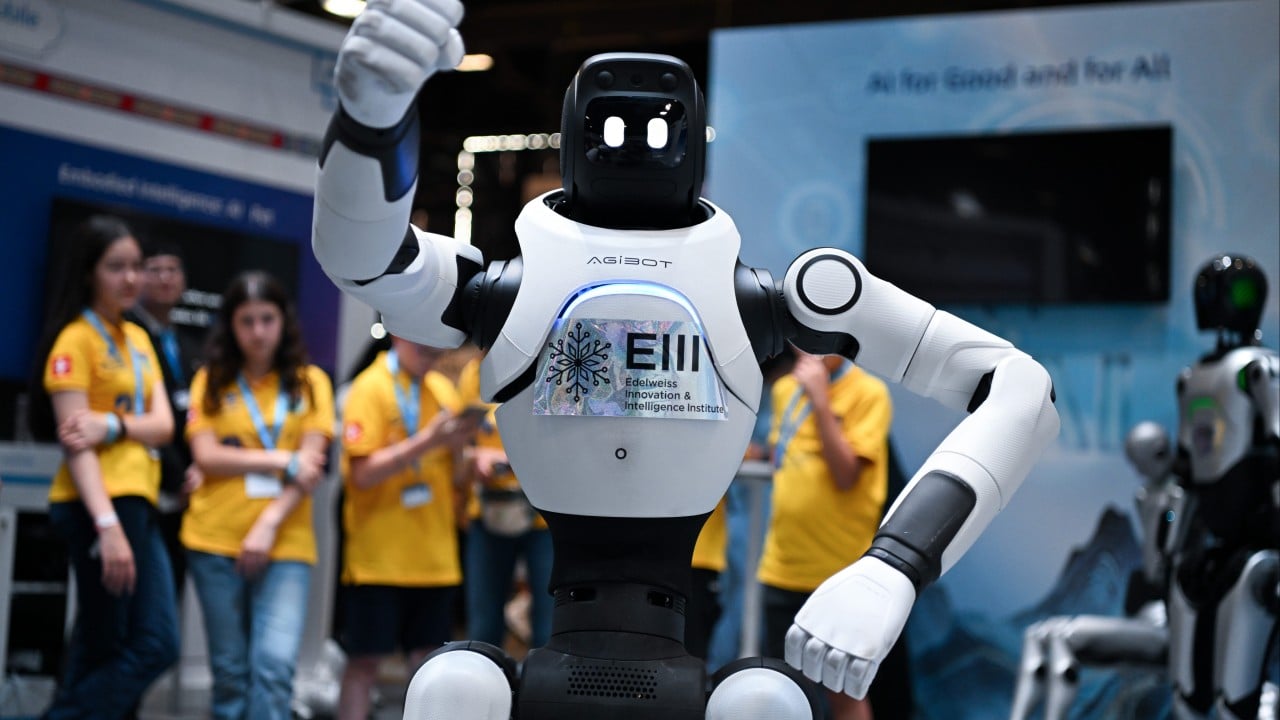
In a recent move, the United States has restricted the use of foreign-made humanoid robots, quadrupeds, and power inverters, adding them to its Covered List. This decision, allegedly aimed at addressing cybersecurity concerns and supply-chain risks, is deemed to be an unintended consequence of the US industry being unable to establish a significant presence in the global robotics market.
The Chinese manufacturers hold a commanding 85% share of the global humanoid robot market, leaving no room for an American industry to develop and compete. The US Federal Communications Commission (FCC) chairman, Brendan Carr, defended the decision, claiming it to be among the strongest technology-security actions in modern American history.
However, the move raises concerns over the potential long-term impact on the US robotics industry. The US government continues to permit the purchase of the restricted robots by the federal government, thus creating an inequitable advantage for the American firms. While the security argument holds merit, the order's implementation highlights the stringent measures Washington takes in protecting its interests.
The case draws parallels with the solar industry, where the US initially imposed anti-dumping duties on Chinese panels in 2012, but China now dominates over 80% of every stage of global solar panel manufacturing. Protectionism has proven to be an effective tool, as demonstrated by China's dominant electric vehicle sector. However, the benefits come with a price, as evidenced by the brutal price war that eliminated most domestic carmakers.
The US, following Hamilton's Report on Manufactures in 1791, has chosen the Latin American variant, sealing its home market and stagnating industries for generations. In contrast, Japan and South Korea achieved success by focusing on export performance. The US has opted for the former route, which may hinder the growth and development of its robotics industry.
The Chinese robot exports have already reached nearly 20 billion US dollars in the first five months of the year, with 150 countries and regions benefiting from the influx. Despite the setback, American robotics firms like Figure, Apptronik, and 1X are actively working on developing their products. However, they will now mature in a competitive market, facing stiff competition from Chinese firms, which have continued to expand globally.
The US may yet build superb robots, but their success will ultimately depend on their ability to compete against Chinese firms in a global market. Ultimately, the FCC's decision to restrict foreign-made robots is viewed as a concession to security concerns, while the Chinese see it as a display of bullying. The outcome will be determined by how the US and China navigate their respective approaches in the global robotics arena.
Written by urgent.news from South China Morning Post's reporting — not their text. Machine-written — may contain errors; check the original before relying on it.