Urgent.News

What's breaking now, across thousands of outlets.

Science

Unraveling emotional signatures: comparing physiological methods and algorithm-based recognition of spontaneous emotional facial expressions

Recognizing others emotions is central to social interaction. Traditional biological psychology infers emotional responding via laboratory measures, whereas contemporary computer vision algorithms claim to identify emotions unobtrusively from facial video. However, the validity of such algorithms for classifying spontaneous emotional responses occurring without explicit communicative intent…

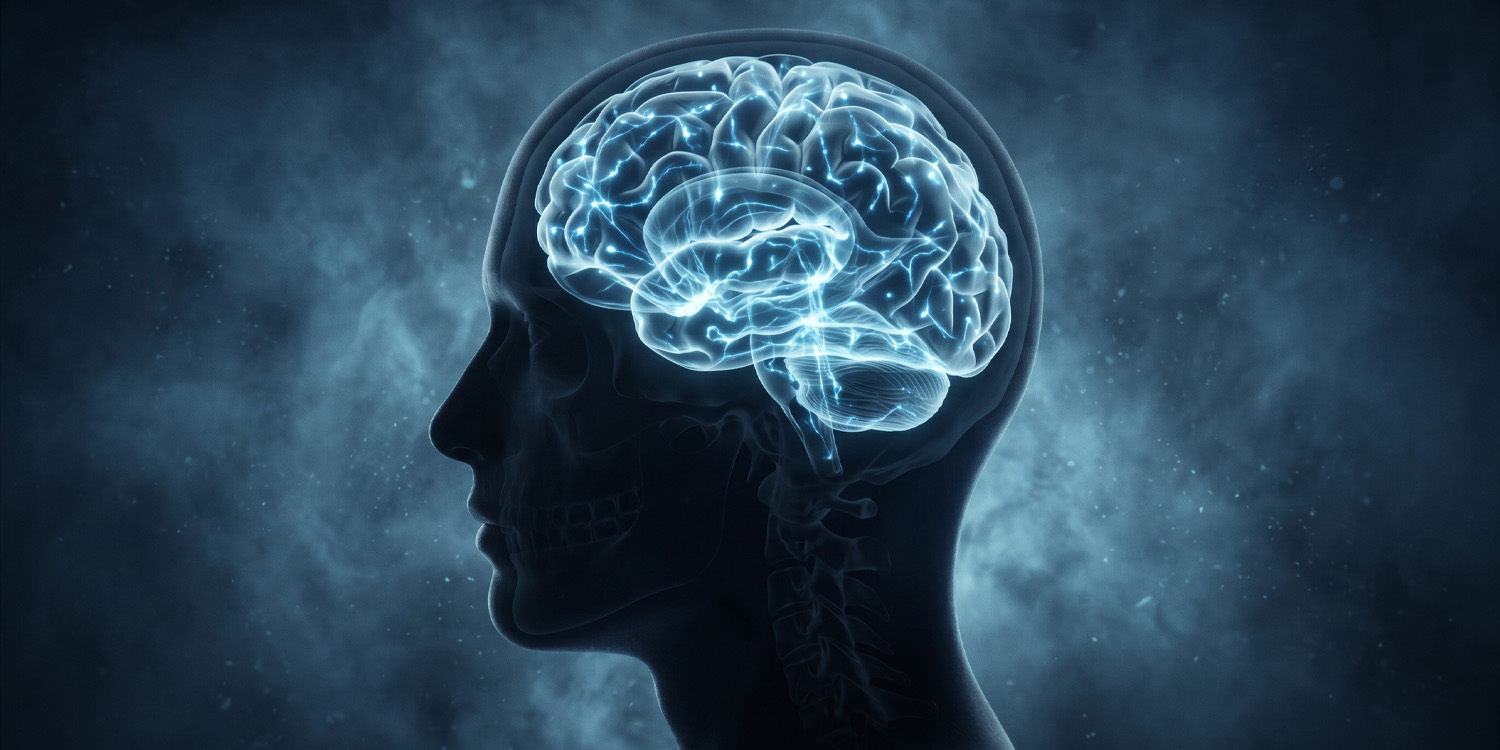
Understanding and interpreting the emotions of others is crucial for social interactions. While traditional biological psychology relies on laboratory measures to infer emotional responses, contemporary computer vision algorithms attempt to detect emotions from facial video without explicit communication intent. However, the effectiveness of these algorithms in classifying spontaneous emotional reactions without purposeful communication is uncertain.

To investigate, we compared established psychophysiological measures (EEG, facial EMG, EDA activity) with the open-source facial behavior toolkit OpenFace for classifying participants' spontaneous reactions while viewing happiness-inducing, disgust-inducing, and neutral pictures. Participants rated the emotional valence and arousal, and then selected the basic emotion that best matched their reaction, serving as the classification criterion.

Employing within-participants single-trial support vector machine (SVM) classification, EEG demonstrated the highest accuracy at 40%, followed by facial EMG at 37%; OpenFace achieved 36%. All methods, except EDA, surpassed chance performance of 33.3% and were lower compared to human raters at 48%. Performance for across-participants SVMs declined slightly, hitting chance level for OpenFace and EDA.

The study suggests that both psychophysiological measures and video-derived facial action units can capture diagnostic aspects of emotional responding during picture viewing, but their performance is limited when expressions are spontaneous and uncommunicative. Individual differences in expressivity and physiological responses contribute to these limitations and should be considered when applying automatic emotion recognition in research or practical scenarios.

Written by urgent.news from bioRxiv's reporting — not their text. Machine-written — may contain errors; check the original before relying on it.


Read the original at biorxiv.org →

More in Science

The heatwave is not just a temporary discomfort; it can have long-lasting effects on our bodies. Research has shown that a single episode of extreme heat can accelerate the biological aging process by as much as six months. This phenomenon is closely linked to climate change, which is causing temperatures to rise at an alarming rate. As the planet continues to warm up, the impact of heatwaves on human health is becoming increasingly evident. Heatwaves are not just a matter of discomfort; they can have serious consequences for our well-being. Prolonged exposure to high temperatures can lead to a range of health problems, from heat exhaustion to more severe conditions such as heatstroke. The biological clock, also known as the circadian rhythm, plays a crucial role in regulating our bodily functions. It is controlled by an intricate system that responds to light and darkness, and is influenced by external factors such as temperature and humidity. When we are exposed to extreme heat, our biological clock can get disrupted, leading to a range of physiological changes. Studies have shown that prolonged exposure to heat can lead to increased inflammation, oxidative stress, and DNA damage. These changes can accelerate the aging process, making us look and feel older than we actually are. In fact, research has shown that a single episode of extreme heat can increase biological age by as much as six months. The implications of this research are significant, particularly in the context of climate change. As temperatures continue to rise, we can expect to see more frequent and severe heatwaves. This means that we need to take urgent action to mitigate the effects of climate change and protect ourselves from the impacts of extreme heat. The Korean government has launched a series of initiatives to address the challenges posed by climate change. The Ministry of Environment has introduced a heatwave warning system, which provides early warnings to vulnerable populations such as the elderly and young children. The government has also launched a public awareness campaign to educate people on the risks associated with heatwaves and the steps they can take to protect themselves. In addition to these efforts, researchers are working to develop new technologies and strategies to mitigate the effects of heatwaves. For example, some scientists are exploring the use of cool roofs and green spaces to reduce urban heat islands. Others are developing new materials and systems that can help to keep buildings cool during extreme heat. As the world grapples with the challenges posed by climate change, it is clear that we need to take a proactive approach to protecting ourselves from the impacts of extreme heat. By working together, we can reduce the risks associated with heatwaves and create a more sustainable future for all.

More from Monday 10 August →