Decreased sleep in adolescents is linked to lasting changes in how the brain communicates
A new study suggests that getting less sleep alters how regions of the developing brain communicate. By tracking adolescents over time and testing sleep-deprived adults, scientists found evidence that sleep loss directly reshapes brain network connectivity.
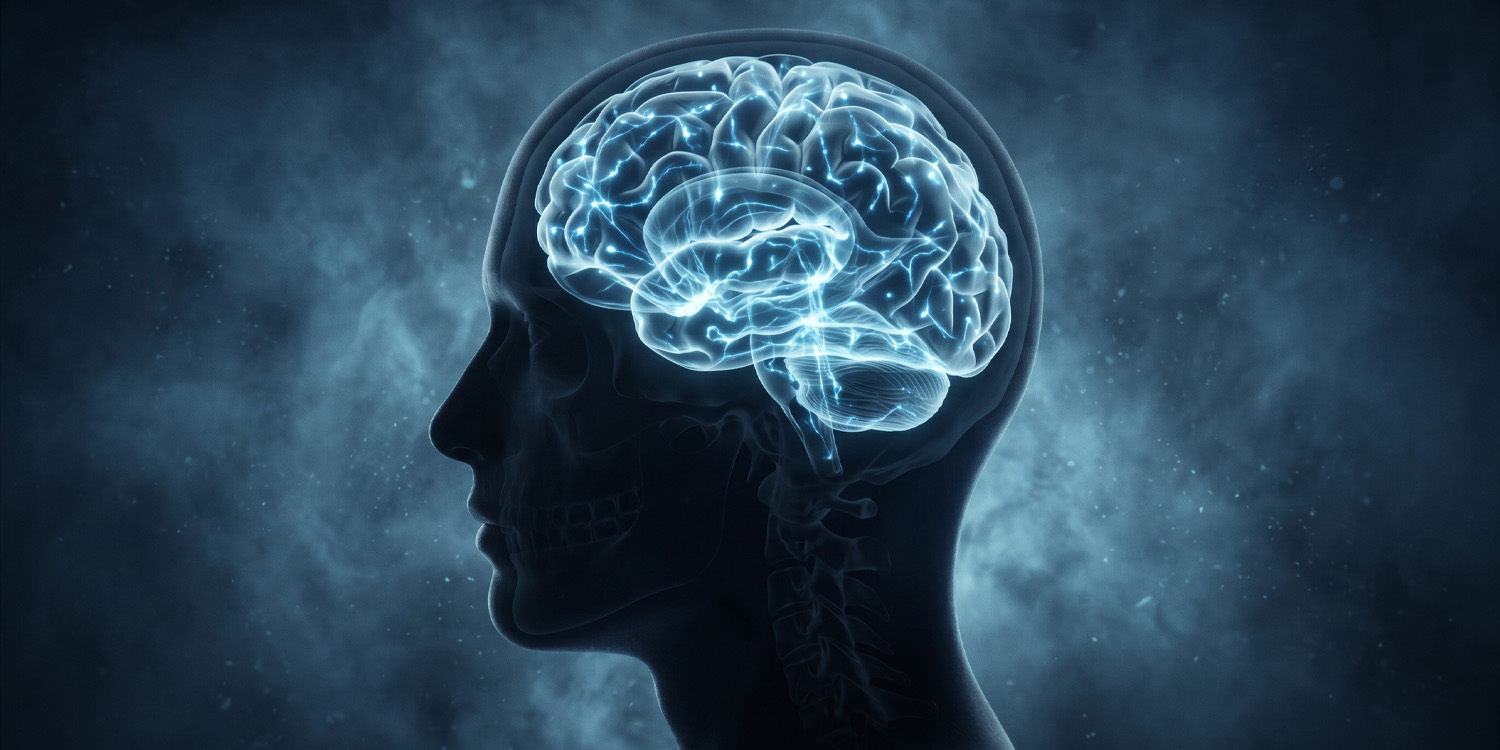
A recent study published in Developmental Cognitive Neuroscience suggests that adolescents who get less sleep may experience lasting alterations in how their brain regions communicate with one another. Scientists tracked both adolescents and adults over time to understand the impact of sleep deprivation on brain connectivity. The research, led by M. Fiona Molloy and Chandra Sripada from the University of Michigan, analyzed data from two large observational projects involving thousands of participants.
They focused on measuring sleep duration and resting-state functional MRI scans to identify patterns of brain activity. The study found that reduced sleep was linked to heightened communication within the somatomotor network, a brain system associated with movement and sensory processing but also implicated in goal-directed behavior.
Conversely, less sleep correlated with decreased internal communication in the visual network. The researchers also observed similar patterns in a separate group of adults who underwent brain scans after both a normal night of sleep and after sleep deprivation. By projecting the youth-derived brain pattern onto the adult scans, the study demonstrated that sleep deprivation could trigger a specific configuration of brain connectivity in adults.
The findings suggest that sleep loss may directly influence the brain's internal communication architecture, with the specific reduced-sleep pattern appearing more frequently in individuals who experience decreased sleep duration. The bidirectional nature of the relationship between sleep and brain connectivity remains unclear, as it is not yet known whether pre-existing brain patterns make it harder for individuals to sleep or if sleep loss directly alters brain networks.
Written by urgent.news from PsyPost's reporting — not their text. Machine-written — may contain errors; check the original before relying on it.