Trump vs Iran: A battle of two clocks over Hormuz
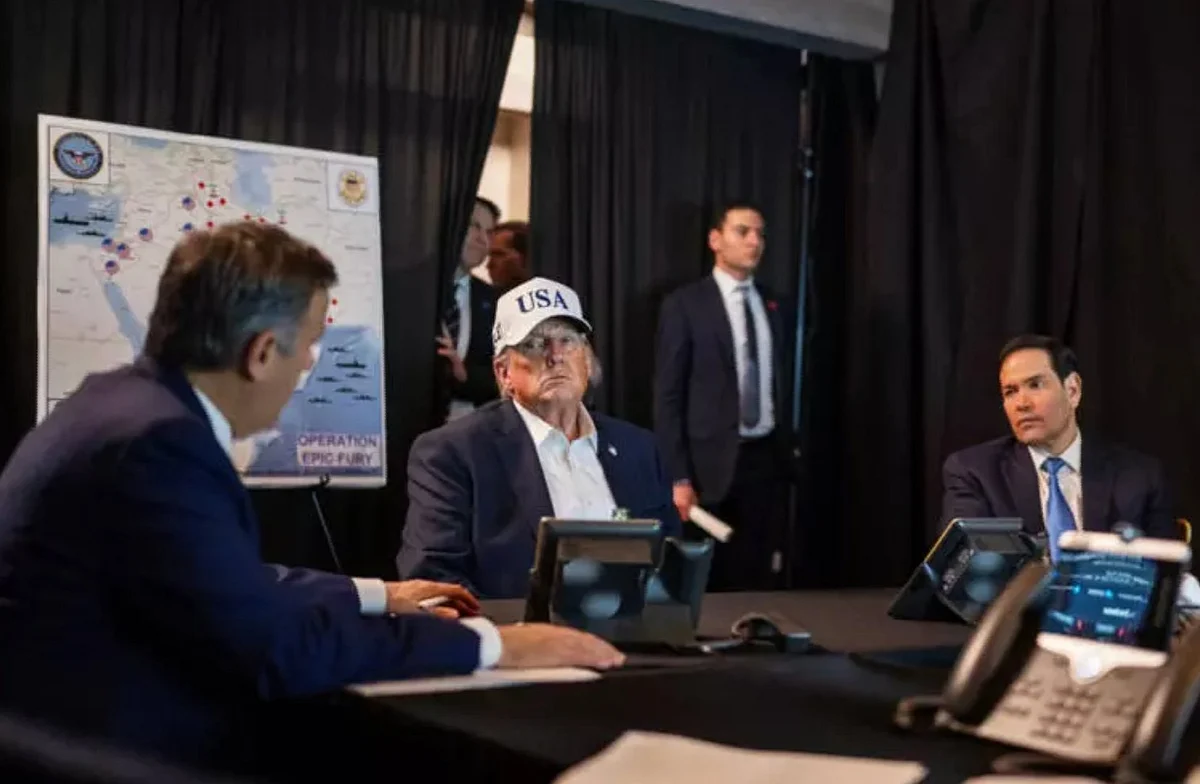
The territorial dispute over the Strait of Hormuz is increasingly transforming into a battle of two competing clocks – one belonging to the United States and the other to Iran. President Donald Trump believes that Iran's economy cannot endure sanctions, a maritime blockade, and months of military pressure indefinitely. Conversely, Iran perceives control of the Strait of Hormuz as the key to victory.
The central question looming over the conflict is which side will submit first. Iran appears to be making the opposite calculation, believing that Trump cannot endure persistently high energy prices, dwindling military resources, and mounting political pressure at home. The question remains: who will blink first?
David Sanger, a CNN political and national security analyst, suggests that Iran's leaders sense that Washington desires an exit from the conflict and that the US is "running out of munitions, options, and patience." Consequently, Tehran has little incentive to quickly acquiesce to a compromise over Hormuz. Instead, Iran has hardened its conditions for the full reopening of the strait, demanding measures such as an end to the US maritime blockade, withdrawal of American forces from the region, compensation for the war, and sanctions relief.
Diplomacy versus revenge: A two-pronged approach drives the conflict between Iran and the US. As the demands become increasingly harsh, the risks of negotiation collapse also increase. Yet, Tehran may believe that Trump requires an agreement more urgently than Iran does. The two ticking clocks – one for Trump and the other for Iran – suggest that the strategic balance is shifting.
For the United States, the clock is ticking as the approaching midterm elections loom, causing higher petrol and energy prices, public frustration with the war, and growing pressure on Patriot and THAAD missile stocks. Washington desires an off-ramp from the Iran conflict. From the Iranian perspective, the blockade, sanctions, and economic pressure inflicted during months of conflict, and the risk of renewed US strikes, serve as powerful leverage to restore normal trade.
Washington's military clock weighs in as well. CNN reported that Trump's top general has privately informed other administration officials that Washington needs an off-ramp from the Iran conflict. The shortage of key defensive munitions, such as those used by Patriot and Terminal High-Altitude Area Defense (THAAD) systems, may impair America's ability to sustain military operations.
While the United States can certainly continue the conflict, a prolonged war will compel Washington to consider the long-term expenditure of valuable weapons and military resources while maintaining commitments elsewhere.
Tehran is well aware of this, and this knowledge strengthens its position in the conflict. Trump's political clock also plays a significant role, as the US midterm elections provide Trump with a political timetable that Iran does not share. Iran, despite not holding American hostages like it did during the 1979-81 crisis, wields significant leverage over American households through the Strait of Hormuz. The average US petrol prices have returned above $4 a gallon, causing substantial domestic political problems for Trump.
This paradox presents a challenging scenario for Washington. US officials argue that economic pressure will eventually force Tehran to compromise, yet by emphasizing that reopening Hormuz will quickly alleviate energy prices, Washington inadvertently highlights just how valuable the strait has become as Iranian leverage. Iran, in turn, faces a risky strategy that must withstand the effects of sanctions, the US blockade, and damage sustained during months of conflict.
If Tehran miscalculates and assumes that Trump will continue negotiating regardless of its demands, he might lose patience and revert to major military operations, putting both sides in a dangerous predicament. Ultimately, time may prove to be Iran's most important source of leverage in this contest over Hormuz, as the side that believes the other's clock will run out first will likely gain the upper hand.
Written by urgent.news from Gulf News's reporting — not their text. Machine-written — may contain errors; check the original before relying on it.