TOR Case: Parliament’s handling of contracts must be strengthened – Benjamin Boakye
Executive Director of the Africa Centre for Energy Policy (ACEP), Benjamin Boakye, has raised concerns about Parliament’s role in reviewing and approving major contracts, following the corruption case involving former Goldman Sachs banker Timis Berko.
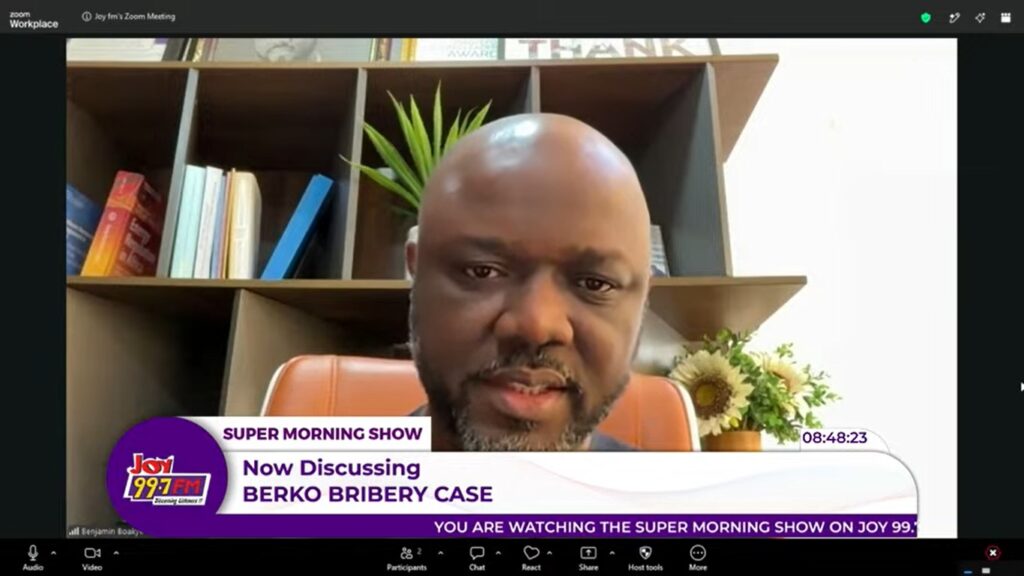
Benjamin Boakye, Executive Director of the Africa Centre for Energy Policy, has called for improvements in Parliament's oversight of major contracts following the corruption case involving ex-Goldman Sachs banker Timis Berko. The case has highlighted weaknesses in the parliamentary process of reviewing and approving contracts, prompting Boakye to advocate for enhanced scrutiny to protect Ghana's public institutions.
Boakye pointed out flaws in the parliamentary committees' handling of contracts, particularly in the limited technical evaluation they conduct. With only a small number of individuals sitting on these committees, he argued that they often compromise the process, allowing seemingly minor sums to lead to significant national losses.
He stressed the need for the parliamentary committees to have sufficient capacity and technical expertise to thoroughly review contracts, thereby safeguarding the public interest. Boakye's suggestions come as renewed attention is being placed on the Ghanaian aspects of the Berko case, which involves bribery and a power project in Ghana.
While Boakye emphasized the importance of individual accountability, he also stressed that the focus should include a thorough examination of the institutional processes that permitted the contract to navigate through the system. He believes that strengthening parliamentary contract reviews is critical to fortifying Ghana's governance framework and preventing recurrence of similar incidents.
Written by urgent.news from MyJoyOnline Ghana's reporting — not their text. Machine-written — may contain errors; check the original before relying on it.