This '70s Show Spawned A Much Less Successful '80s Sci-Fi Sequel Series
Lightning doesn't always strike twice, something this '70s sci-fi show had to learn the hard way when its 1980s sequel immediately flopped on release.
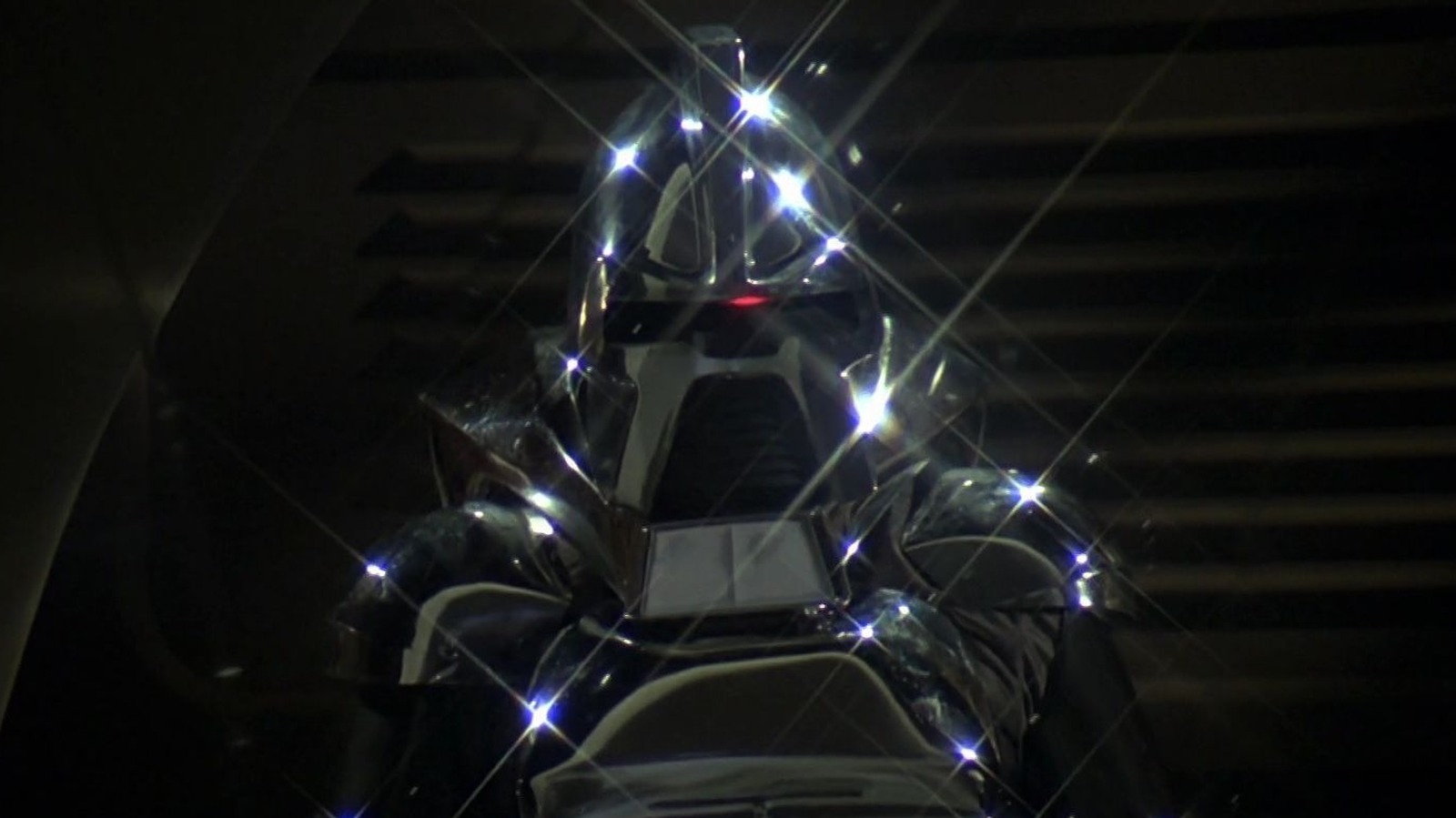
Battlestar Galactica, a pioneering science fiction television series, left an indelible mark on the genre despite its brief one-season run. Created by television legend Glen Larson, the show aired for 24 episodes and managed to secure a top 40 ranking in its brief stint on air. However, the show's journey was far from triumphant, with shifting time slots and high production costs contributing to its early cancellation.
This disappointment fueled a passionate fanbase, leading to a letter-writing campaign that resulted in the creation of a spin-off series, Galactica 1980.
Alas, the second attempt at bringing the Battlestar Galactica franchise to television did not fare any better. Despite Glen Larson's involvement in creating the Cylon villainous characters for a future show, Knight Rider, Galactica 1980 struggled to secure a dedicated fanbase. With a tight budget, fewer special effects, and an unappealing Sunday 7 P.M. time slot, the series was doomed to fail.
Notably, writers had to incorporate random science facts into the scripts to appease the FCC, adding to the show's shortcomings. After just 10 episodes, ABC decided to cancel Galactica 1980, marking the end of this sci-fi series' brief existence.
Nevertheless, the Battlestar Galactica universe refused to fade into obscurity. In 2003, the franchise was rebooted with a miniseries that reignited interest in the series, leading to a fourth iteration of a television show that is now considered one of the top sci-fi series with no bad seasons. Although another reboot was planned for streaming platform Peacock, those plans were later abandoned.
Regardless, the Battlestar Galactica franchise has continued to thrive, spawning comic books, video games, and even a theme park attraction. The story of this iconic series serves as a testament to the enduring impact of science fiction television, regardless of its fleeting presence on the airwaves.
Written by urgent.news from TVLine's reporting — not their text. Machine-written — may contain errors; check the original before relying on it.