The Perseid Meteor Shower Peaks This Week Amid Ideal Viewing Conditions. Here's How to Watch the Event's Bright Shooting Stars
The much-anticipated annual event peaks on the night of August 12 into the next morning. This year, the moon won’t crash the party, as our natural satellite will be in its dark new moon phase
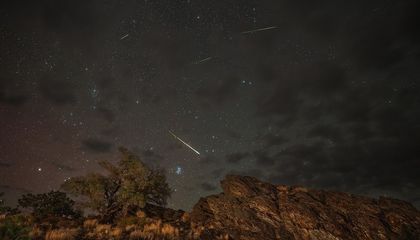
The Perseid meteor shower, known for its bright "shooting stars," is set to peak this week amid perfect viewing conditions. Stargazers in the Northern Hemisphere can witness up to 50 to 100 meteors per hour, thanks to the absence of moonlight during its new moon phase. The meteors are bright and colorful, with blues, oranges, yellows, and greens, caused by various chemical elements like calcium, silicon, iron, nickel, and magnesium.
These meteors, traveling at 37 miles per second, result from Earth passing through the dust and particles left behind by the comet 109P/Swift-Tuttle, which is more than twice the size of the asteroid that wiped out the dinosaurs. The best time to watch is around 10 p.m. on August 12, with minimal light pollution and cloudless skies recommended.
Observers should lie on a comfortable surface to allow their eyes to adjust to the dark, and avoid using electronic devices. If conditions aren't ideal, the American Meteorological Society advises trying again next year.
Written by urgent.news from Smithsonian's reporting — not their text. Machine-written — may contain errors; check the original before relying on it.
This story
This is one outlet's version. Read the fullest account.