The Fauci Hearing Was the Wrong Approach to Accountability
(MedPage Today) -- The public spectacle surrounding the congressional testimony of Anthony Fauci, MD, along with the recent scrutiny of his private, COVID-era diaries, has reignited a persistent debate: what kind of public accounting do we owe...
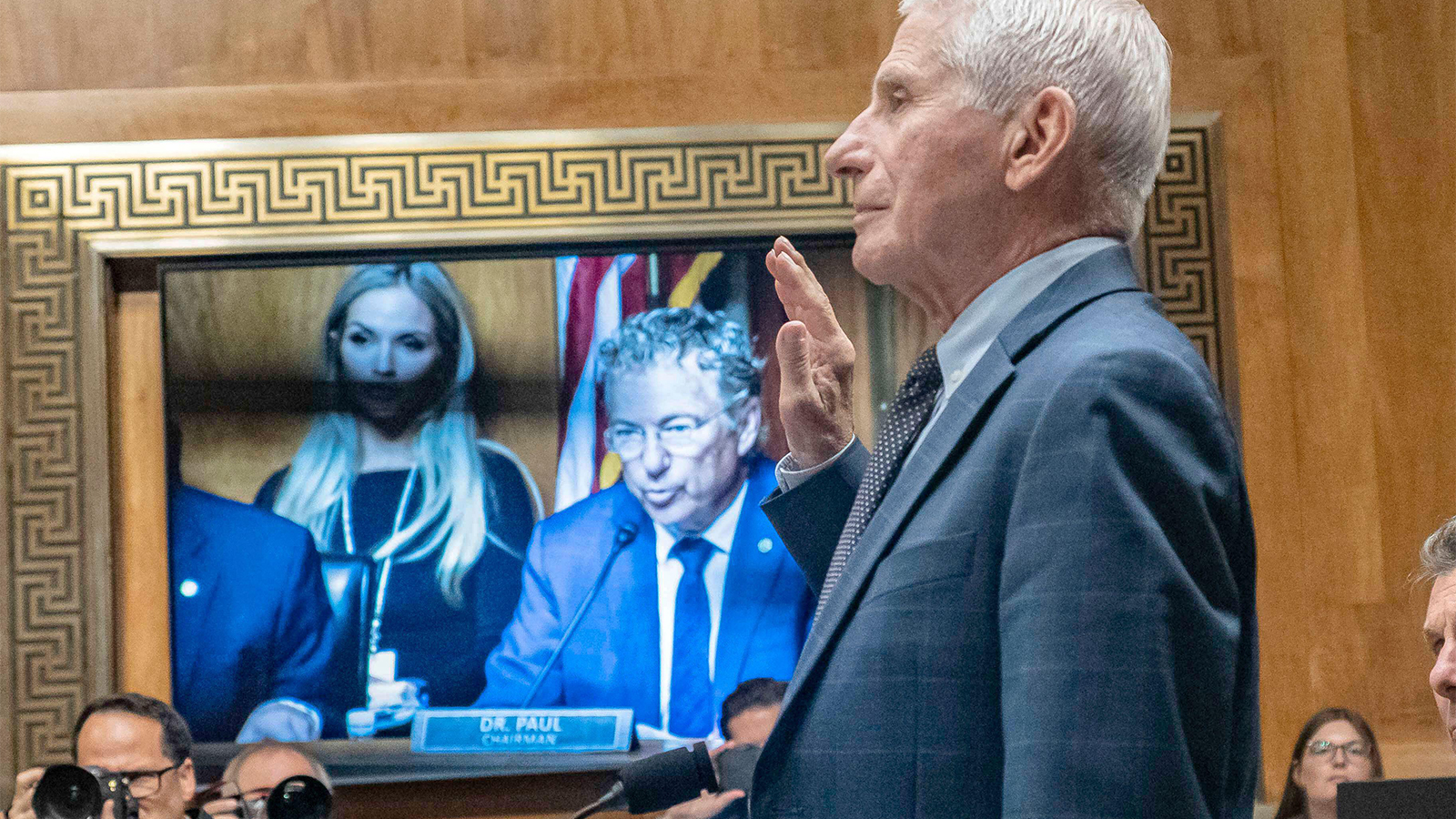
The recent congressional testimony of Anthony Fauci, MD, and the examination of his COVID-era private diaries have reignited a debate about the appropriate form of public accountability following a pandemic. Public health officials are certainly responsible for providing a more thorough explanation of their significant judgment calls. However, the current approach seeks the wrong kind of accountability in the wrong venue.
For those who follow MedPage Today, the issue is not about praising or criticizing a single individual. The broader question concerns how medicine should handle credible public accountability after a crisis, ensuring it distinguishes scientific self-correction from political spectacle. When we demand contrition in a Senate hearing room, we are asking for the wrong thing from individuals in such positions.
Modern hearings often prioritize performance over self-examination, often structured for soundbites, sharp exchanges, and social media clips. These settings are not conducive to complex medical realities.
Critics have compared Fauci's diaries to Samuel Pepys' chronicles of the Great Plague of London, yet in today's media-driven society, personal vanity is far more prevalent than in the 17th century. As a practicing tropical medicine specialist, I have witnessed the challenges of facing public health crises without a playbook. Fauci dedicated his life to serious research and clinical medicine before being thrust into addressing an unprecedented crisis daily broadcast by an unforgiving press.
Mistakes undoubtedly occurred, as they inevitably do when medicine is practiced under immense pressure and under public scrutiny. However, a televised hearing does not offer a genuine opportunity for an honest, clinical reckoning.
The issue is not the absence of blame or the need for oversight. Instead, it is about aligning the forum with the type of truth we desire—a public record that is candid, clinically accurate, and useful for future crises. In this regard, a voluntary, written apologia might serve as a better model of accountability. John Henry Newman, a theologian, faced accusations of dishonesty but instead penned his "Apologia Pro Vita Sua," a personal and voluntary articulation of his thoughts.
He recognized that false ideas are not refuted by winning arguments but by true ideas alone. In this vein, public health leaders should offer a candid, voluntary accounting of their judgments, including mistakes, rather than engaging in a pressured, adversarial setting. Such an approach would strengthen public trust in medicine and science more effectively than any performative hearing, giving rise to the deep reflection that the public deserves.
Written by urgent.news from MedPage Today's reporting — not their text. Machine-written — may contain errors; check the original before relying on it.