The death of plastic? E-wallets now displacing credit and debit cards across Malaysia
KUALA LUMPUR, Aug 10 — Malaysia’s move away from cash has a clear winner. According to Ipsos Malaysia’...
KUALA LUMPUR, Aug 10 — According to a new Ipsos Malaysia report, Malaysia's shift away from cash has seen e-wallets outpace credit and debit cards as the preferred non-cash payment method for the country's residents. Over the past four years, e-wallet usage among non-cash payers has surged from 52% in 2023 to 81% in 2026, a nearly 30 percentage point increase.
In contrast, debit card usage dropped from 76% to 56%, and credit card usage fell by almost half, from 15% to 9%. Online banking and digital transfers, however, remained relatively stable, staying at 70% throughout the period. Ipsos views this as more than incremental change, with overall non-cash payment adoption among Malaysians rising from 51% in 2023 to 72% in 2026.
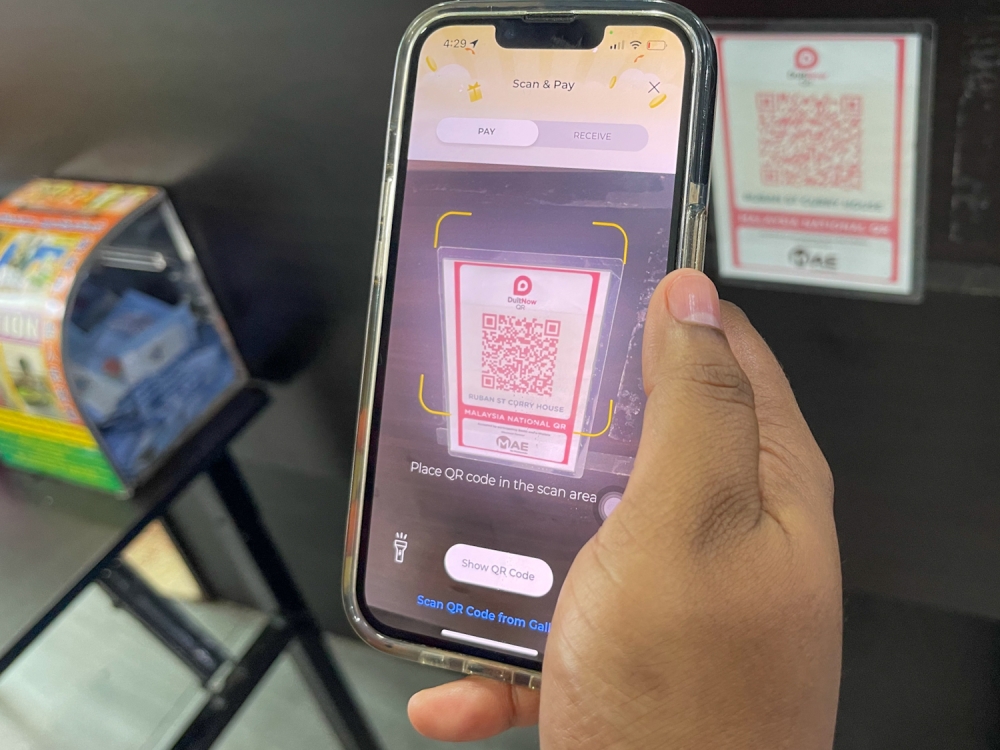
This indicates that e-wallets are not just taking share from a shrinking cashless pie, but are the primary driver of its growth, while also eating into the market share of cards. The report attributes this shift to Bank Negara Malaysia's efforts to strengthen the digital payment ecosystem and the introduction of interoperable QR payment infrastructure, such as the DuitNow QR code.
This has removed a major advantage cards previously held — universal acceptance. The displacement of cards is most noticeable in everyday, in-person spending such as at food and beverage outlets, tolls, parking, and retail stores. Bill payments and money transfers are also among the top e-wallet use cases, encroaching on territory previously dominated by online banking and standing instructions linked to bank cards.
For banks and card issuers, this shift could mean reduced interchange fee income and weakened card-linked product engagement. Despite some wallets, including bank-owned ones, being competitors to their card businesses, the practical reality for the average Malaysian is that acceptance and convenience now favor wallets for routine spending.
However, cards may still have an edge for larger purchases, credit-building, and online transactions that require buyer protections often not offered by wallets. Ipsos concludes that Malaysia has moved "beyond digital payment adoption to digital payment dependence" and for businesses and banks, being outside this ecosystem is no longer a viable option.
Written by urgent.news from Malay Mail's reporting — not their text. Machine-written — may contain errors; check the original before relying on it.
This story
This is one outlet's version. Read the fullest account.