The death of plastic? E-wallets now displacing credit and debit cards across Malaysia
KUALA LUMPUR, Aug 10 — Malaysia’s move away from cash has a clear winner. According to Ipsos Malaysia’...
KUALA LUMPUR, Aug 10 — Malaysia's embrace of cashless transactions has become increasingly one-sided, according to a new Ipsos Malaysia report. E-wallets have surged in popularity, now outpacing both debit and credit cards as the country's preferred method of non-cash payments. The survey of 1,029 Malaysians aged 18-74, conducted in April 2026, reveals a dramatic shift in just three years.
E-wallet usage rocketed from 52% in 2023 to 81% in 2026, while debit card usage dropped from 76% to 56% and credit card usage fell nearly in half, from 15% to 9%. Online banking and digital transfers remained steady, hovering around 70%. The report highlights a generational shift, with overall non-cash payment adoption climbing steadily from 51% in 2023 to 72% in 2026, indicating e-wallets are not just capturing share from a dwindling cashless market, but actively expanding it.
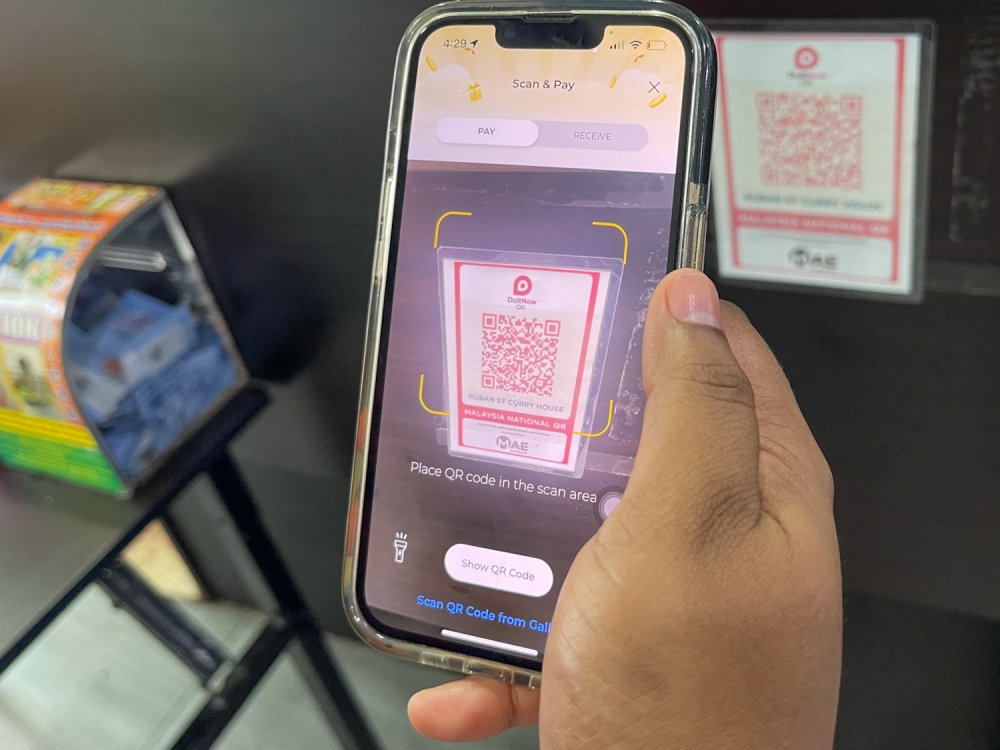
Key drivers include Bank Negara Malaysia's efforts to bolster the digital payment ecosystem and the rollout of interoperable QR payment infrastructure, such as DuitNow QR, which allows a single QR code to work across multiple wallet apps. This interoperability has removed a significant advantage cards held - universal acceptance.
Consumers now have more flexibility in everyday, in-person spending at places like restaurants, toll booths, and retail stores, where e-wallets have overtaken traditional card payments. Bill payments and money transfers are also on the rise among e-wallet users. For financial institutions, the implications are clear: falling card usage could lead to reduced interchange fees and diminished engagement with card-linked products, even as some wallets, like MAE, are owned by banks themselves.
Despite this, the report suggests that acceptance and convenience have now shifted decisively toward e-wallets for routine spending, though cards may still hold an edge for larger purchases and online transactions. Ipsos concludes that Malaysia has moved "beyond digital payment adoption to digital payment dependence," and for businesses and banks to remain competitive, they must operate within this ecosystem.
Written by urgent.news from Malay Mail's reporting — not their text. Machine-written — may contain errors; check the original before relying on it.