Study suggests experimental drug dismantles 2 key proteins that help tumors survive, adapt and resist treatment
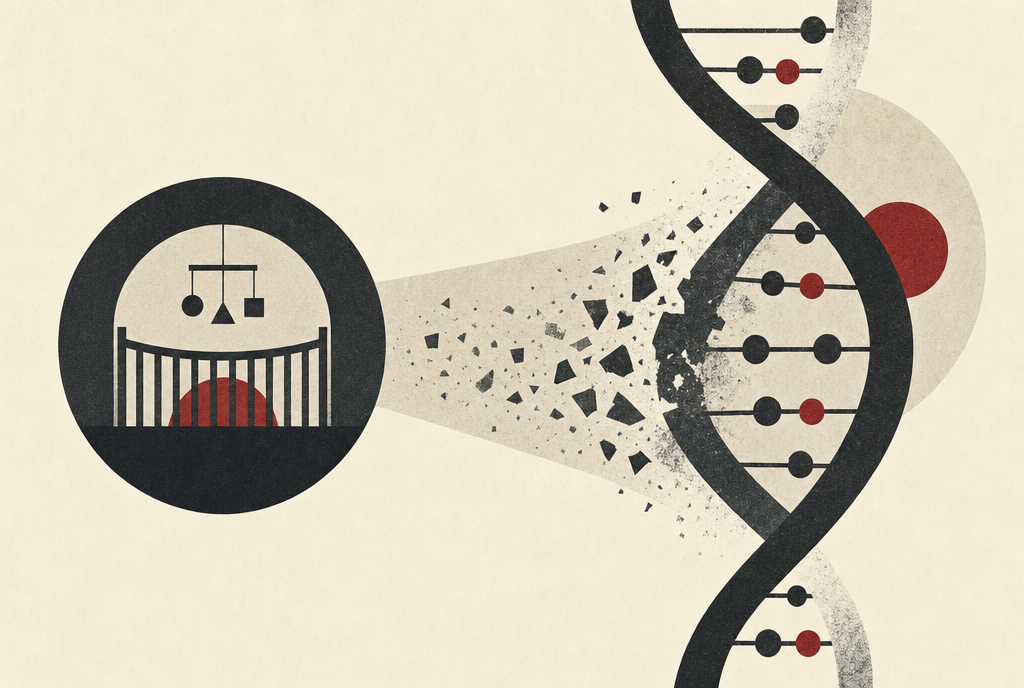
Scientists from Roswell Park Comprehensive Cancer Center report that the investigational anticancer agent FL118 functions as a dual molecular glue degrader that directly targets and degrades the proteins DDX5 and UbE2T, two emerging therapeutic targets linked to cancer survival mechanisms.

Scientists from Roswell Park Comprehensive Cancer Center have discovered that the experimental drug FL118 dismantles two key proteins, DDX5 and UbE2T, that help tumors survive, adapt, and resist treatment. The study, published in the Journal of Experimental & Clinical Cancer Research, suggests that FL118's multi-target effect may be responsible for its high activity in preclinical models of various cancers, including pancreatic, colorectal, ovarian, prostate, and pediatric sarcomas.
These proteins, DDX5 and UbE2T, are linked to multiple cancer survival networks, such as DNA repair, epigenetic regulation, stemness, immune suppression, and treatment resistance. The findings support the growing interest in molecular glue degraders, drugs that utilize the cell's natural protein-disposal machinery to eliminate disease-driving proteins that have been hard to target.
Written by urgent.news from Medical Xpress's reporting — not their text. Machine-written — may contain errors; check the original before relying on it.