Early-Life Stress Leaves Epigenetic “Scars” That Prime Stress Sensitivity
Scientists linked early-life stress experience in mice to long-term stress hypersensitivity within the brain’s dopaminergic circuitry, providing a mechanism by which early-life stress increases risk for mood and anxiety disorders later in life. The post Early-Life Stress Leaves Epigenetic “Scars” That Prime Stress Sensitivity appeared first on GEN - Genetic Engineering and Biotechnology News .
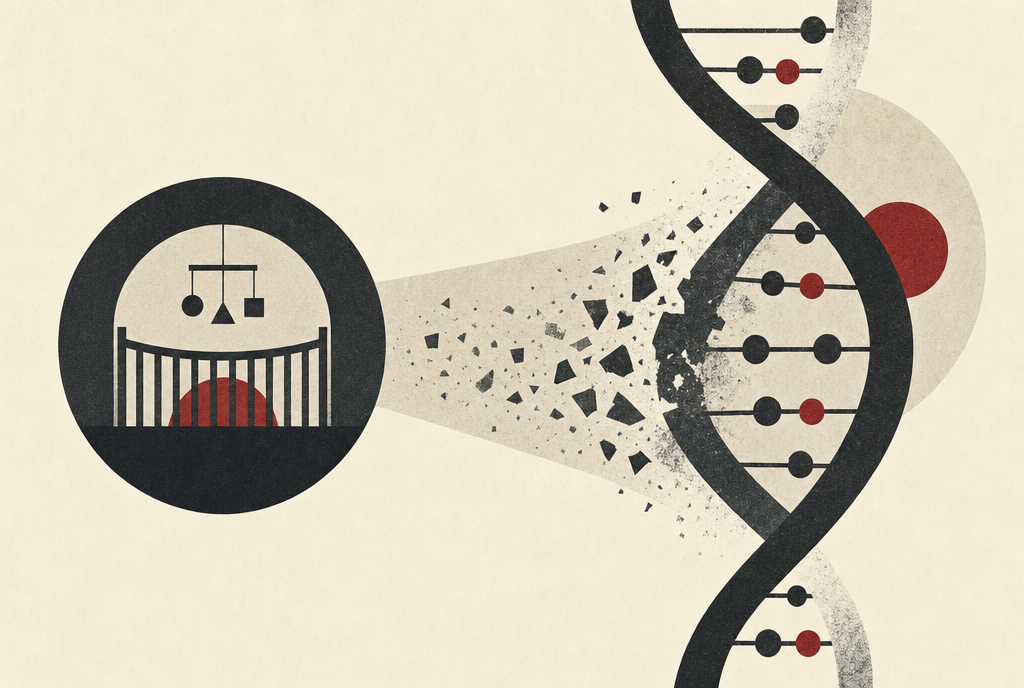
Early-life stress can leave lasting epigenetic "scars" in the brain that make people more sensitive to stress later in life, according to research from Washington University School of Medicine and Princeton University. Severe stress during childhood can increase the risk of anxiety, depression, and other mood disorders in adulthood.
Researchers discovered that these effects are due to alterations in how brain cells package DNA, leaving the brain's stress response vulnerable to being turned on easily. By studying mouse models, the team focused on the ventral tegmental area (VTA) - a key region of the brain involved in processing important stimuli like rewards and adversity.
They found that early-life stress alters specific molecular tags on DNA that control gene activity in dopamine-producing neurons. When these tags are exposed more, the cells become more reactive to environmental stimuli. The study also showed that artificially boosting the abundance of a specific enzyme called SETD7, which places these tags on DNA, resulted in increased stress sensitivity in adult mice, even without early-life stress exposure.
Conversely, blocking the activity of SETD7 prevented this heightened sensitivity. The researchers concluded that this discovery provides a concrete biological target for developing new treatments and interventions for mental health disorders linked to early-life stress.
Written by urgent.news from GEN Biotechnology's reporting — not their text. Machine-written — may contain errors; check the original before relying on it.