Solar eclipse: Where and when you can see it across North West England
The partial eclipse is expected to be the most extensive since 1999, astronomers say.
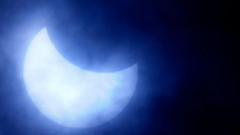
This August, a rare and dramatic partial solar eclipse will be visible across North West England and the rest of the UK. The event, expected to be the most extensive solar eclipse for the next 54 years, will see between 90% and 96% of the sun obscured by the moon. While total eclipses are only visible in select regions like Greenland, Iceland, and northern Spain, the UK will still experience a significant celestial phenomenon.
In Manchester and Liverpool, the eclipse will begin at 18:13 BST, with the maximum coverage occurring at 19:10 in the north-west of England. The event will conclude around 20:04. Higher ground and areas with a clear western horizon offer the best viewing opportunities, with the further east one watches, the less dramatic the effect.
Several events are planned to celebrate this once-in-a-generation opportunity. In Manchester, the Heaton Park Astronomy Group will host a free watch-along event with special eclipse glasses. Crosby Beach in Sefton is expected to be a popular location, with the Bus Yard bar open for live music and eclipse viewing. Jodrell Bank Observatory in Cheshire will remain open until 20:00 BST, offering guided solar observing sessions, an immersive Space Dome film, and cyanotype crafting.
However, experts warn that looking directly at the sun during the eclipse can cause permanent eye damage. Standard sunglasses are insufficient, and certified solar eclipse glasses or pinhole projectors should be used instead. Ophthalmologist Mohamed Elalfy advises that symptoms may not appear until several hours after viewing, including blurred vision, a dark spot, distorted vision, reduced color perception, and increased light sensitivity.
Written by urgent.news from BBC Science's reporting — not their text. Machine-written — may contain errors; check the original before relying on it.