Smart glasses are only smart if we train them to be good. Then they'll be fantastic
Just add smart humans – and a pinch of dog
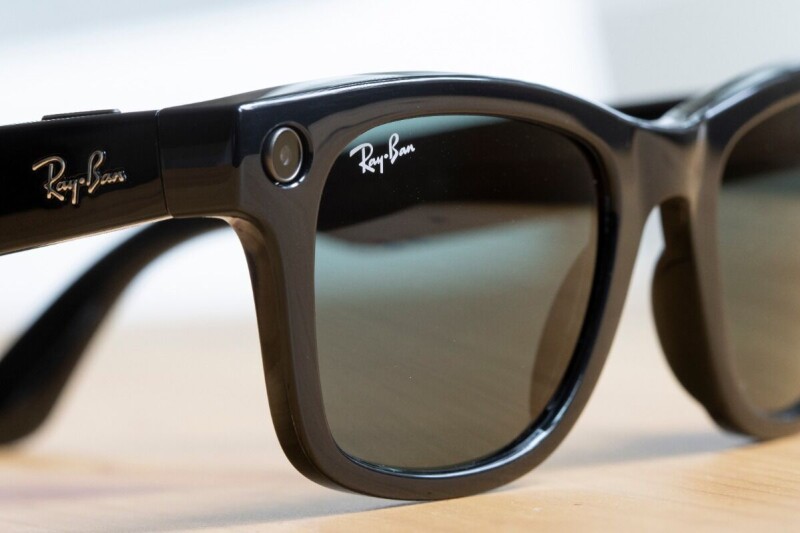
The most sobering observation in tech isn't how much AI resembles the human mind, but how the human mind increasingly resembles Windows. Both start shiny and new, but become cluttered and incompatible without regular updates or restarts. As AI becomes more sophisticated, many individuals feel apprehensive about its impact on their jobs, status, and dignity.
Augmented reality, with its ability to record, recognize, and categorize everything it sees, raises concerns about privacy, security, and dignity. This has led to bans on devices like Meta-style smart glasses in various settings, from cafes to tech conventions. However, there are counterarguments suggesting that smart glasses could be life-changing for those with visual impairments, allowing the blind to see more easily.
Much like dogs, smart glasses can be either aggressive predators or intelligent helpers, and society has developed ways to accommodate both. The key is to establish acceptable behavior and ways to signal it to others, allowing accommodations where necessary. Manufacturers must be pressed to make smart glasses more transparent, with visible indicators of their capabilities and compulsory identification methods.
It may take time and investment, but the benefits of well-behaved smart glasses could be significant, enhancing the lives of many who need them.
Written by urgent.news from The Register's reporting — not their text. Machine-written — may contain errors; check the original before relying on it.
This story
This is one outlet's version. Read the fullest account.