“Putinist formalism has arrived.” Contemporary art in Russia is struggling to survive under state repression
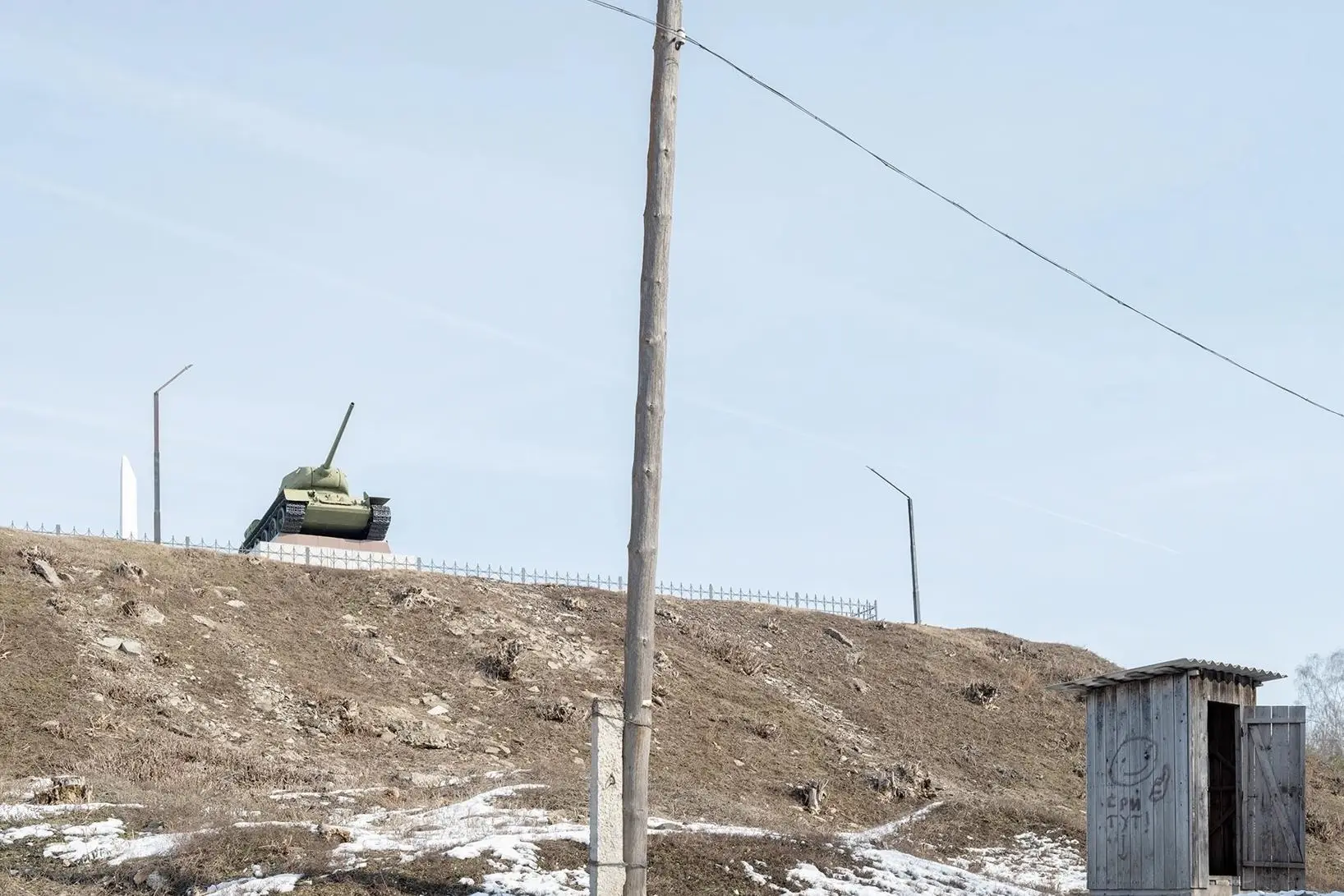
In July, Russian authorities canceled the Outline music and arts festival, officially due to the threat of drone attacks. After the GULAG History Museum in Moscow was forced to close, in June a state-run institution dedicated to documenting the “genocide of the Soviet people” opened on the vacated site. And in mid-May, photographs by Alexander Gronsky were covered with cloth at the Kontur art…
By the late 2000s, Russia's contemporary art scene aimed to connect with the global cultural scene. Wealthy patrons, like Novatek's Leonid Mikhelson, poured millions into the field, establishing foundations and cultural centers. Moscow hosted the Moscow International Biennale of Contemporary Art, while St. Petersburg held the Manifesta 10 biennial in 2014.
Russia's contemporary art was showcased abroad, with the Solomon R. Guggenheim Museum in New York displaying a wide range of Russian art from icons to contemporary works. The state initially supported the art industry but changed course following Russia's invasion of Ukraine in 2022. Several thousand artists signed an open letter opposing the war, but the publication Spectate removed the letter and signatories list after the government banned the spread of "fake news" about the Russian army.
Artists who voiced dissent, such as Sasha Skochilenko, faced arrest and imprisonment. Many artists left Russia, including Pavel Otdelnov, who moved to the UK, and Maksim Evstropov and Kristina Bubentsova, who were searched under suspicion of insulting religious believers. Several art collectives and cultural centers, including Party of the Dead, DK Rozy, and the Baza Institute of Contemporary Art, closed due to the crackdown.
The situation worsened as state repression extended to more artists, even those who had left the country. Searches were conducted in multiple cities, targeting artists connected to the Pyotr Verzilov case, a Pussy Riot member. The Baza Institute was closed, and Svetlana Baskova, its director, expressed confusion over the searches, suggesting that some people simply don't like contemporary art.
Written by urgent.news from The Insider's reporting — not their text. Machine-written — may contain errors; check the original before relying on it.