Oil surges back to $85 per barrel as Hormuz deal remains elusive
Oil prices rose on Monday, surging back to $85 per barrel as a deal to reopen the Strait of Hormuz remains elusive, while Houthi rebels continue to launch attacks on Saudi Arabia’s oil infrastructure. Brent , the benchmark for two thirds of the world's oil, was up 1.77 per cent to $85.03 per barrel at 4.06pm UAE time. West Texas Intermediate, the gauge that tracks US crude, climbed 1.83 per cent…
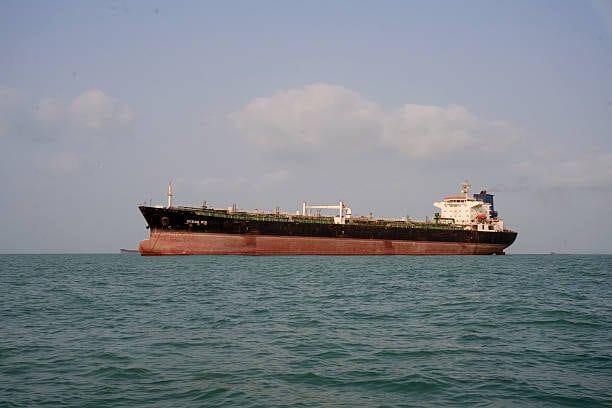
Oil prices climbed back to $85 per barrel on Monday as a long-awaited deal to reopen the Strait of Hormuz remained elusive. Brent crude, the benchmark for two thirds of the world's oil, climbed 1.77 percent to $85.03 per barrel at 4.06pm UAE time. West Texas Intermediate, which tracks US crude, increased 1.83 percent to $79.61 per barrel.
Jenna Kim, a research analyst at MUFG, said Brent and WTI prices were "extending gains as Iran and Oman lagged in an agreement to restore normal shipping through the Strait of Hormuz." Ship traffic across the crucial waterway, vital for global oil supplies, remained low, with only seven commodity vessels passing through on Sunday, according to Kpler data. Most of these vessels used Iran's designated route, while others avoided detection by going dark.
Despite multiple rounds of negotiations, a deal between Iran and the US to end the war and reopen the Strait of Hormuz remained out of reach. Iran set six new conditions, including lifting a maritime blockade on Iranian crude and withdrawing US naval and air forces from around Iran. US President Donald Trump, however, indicated the US was "low-keying it" in negotiations with Iran, stating the country was focused on Iran's inflation and lack of money, according to Axios.
Prolonged attacks by Houthi rebels in Yemen against Saudi Arabia's oil infrastructure are also contributing to the surge in oil prices. The latest strike targeted the Jazan refinery on Saudi Arabia's southern coast near the Red Sea, which produces 400,000 barrels per day. "With Hormuz flows still constrained and regional attacks continuing, oil prices are likely to retain a sizeable geopolitical premium despite tentative diplomatic progress," Kim said.
Oil prices have been volatile since the conflict began on February 28. Brent reached a peak of $120 a barrel in April due to concerns over supply disruption in the Strait of Hormuz. While prices dropped after a temporary ceasefire between Iran and the US in June, they rose again to $100 a barrel after Houthi attacks on Saudi tankers entering the Red Sea.
Oil posted a significant weekly decline on Friday as the possibility of a conflict resolution appeared more likely at the start of the week. For the week, Brent fell by nearly 5 percent, while WTI declined about 7.7 percent.
Written by urgent.news from The National Business's reporting — not their text. Machine-written — may contain errors; check the original before relying on it.
This story
This is one outlet's version. Read the fullest account.
- Oil surges back to $85 per barrel as Hormuz deal remains elusive thenationalnews.com