Ogun’s deadly highways: How good roads, speed, recklessness fuel accidents
Hardly a week passes in Ogun State without a devastating road crash leaving behind deaths, crushed metal, shattered glass and burnt vehicles. Structurally positioned as Nigeria’s primary gateway and economic artery, Ogun connects millions of commuters, goods, and industrial hubs to the rest of the country. Yet, these vital transit corridors have increasingly turned into […] Ogun’s deadly…
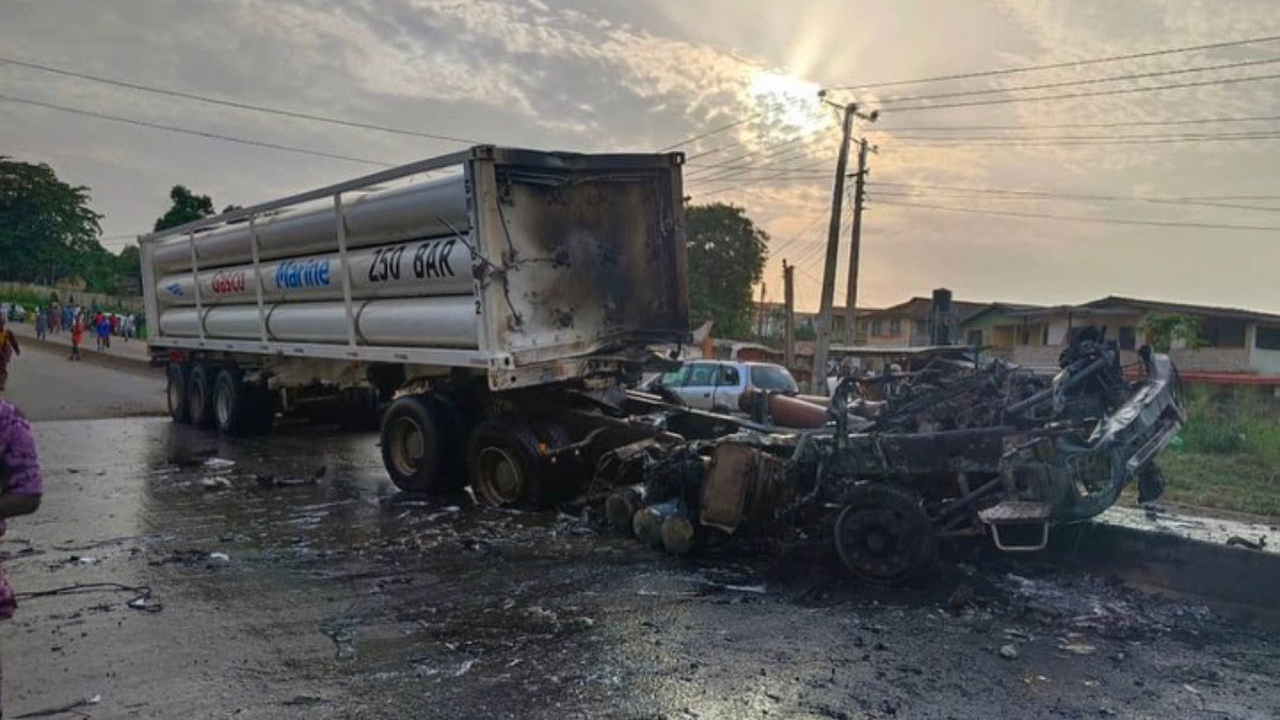
Ogun State, Nigeria's primary economic gateway, has seen a surge in deadly highway accidents over recent years. In 2024 alone, the state logged 724 crashes, claiming 311 lives and injuring 1,815 others. This number only increased in the first half of 2025, with 494 crashes, 212 fatalities and 1,121 injuries. A slight improvement was seen in the next half of 2026, with 415 accidents, 161 deaths and 1,007 injuries.
While some roads remain in poor condition, those that are paved and smooth have proven to be the most dangerous. Superintendents from the Federal Road Safety Corps (FRSC) have noticed that drivers tend to speed more on well-paved roads, believing they are safe. However, this false sense of security often leads to reckless driving, distracted driving, and dangerous overtaking maneuvers.
The FRSC spokesman warned against distractions such as using phones, drinking water, or eating while driving, as these can cause accidents even on good roads.
Heavy trucks have been identified as a significant cause of fatalities, due to their large size and the potential for mass casualties. Recently, a truck reversed on a high-speed expressway instead of using a U-turn, leading to the tragic loss of ten lives. Another recent incident involved Anthony Joshua, a former boxing champion, whose Lexus SUV collided with a stationary truck on the Makun axis of the Lagos-Ibadan Expressway, resulting in the deaths of two team members.
In an effort to combat the high number of accidents, the FRSC Ogun Sector Command intensified enforcement efforts between January and July. This led to the arrest of 1,203 drivers and the impounding of 1,016 non-compliant vehicles. The crackdown focused on high-risk violations, including overloading, plate number abuse, dangerous driving, and mix-loading of passengers and cargo.
Written by urgent.news from Daily Post Nigeria's reporting — not their text. Machine-written — may contain errors; check the original before relying on it.