Malaysia seeks to deepen trade ties with South Korea in chips, AI, halal sector
Malaysia is seeking to elevate its economic partnership with South Korea beyond traditional manufacturing and trade by positioning itself as a long-term strategic partner in high-value industries, ranging from semiconductors and AI to electric vehicles, renewable energy and the fast-growing global halal economy. In an interview with The Korea Times, Malaysian Investment Development Authority…
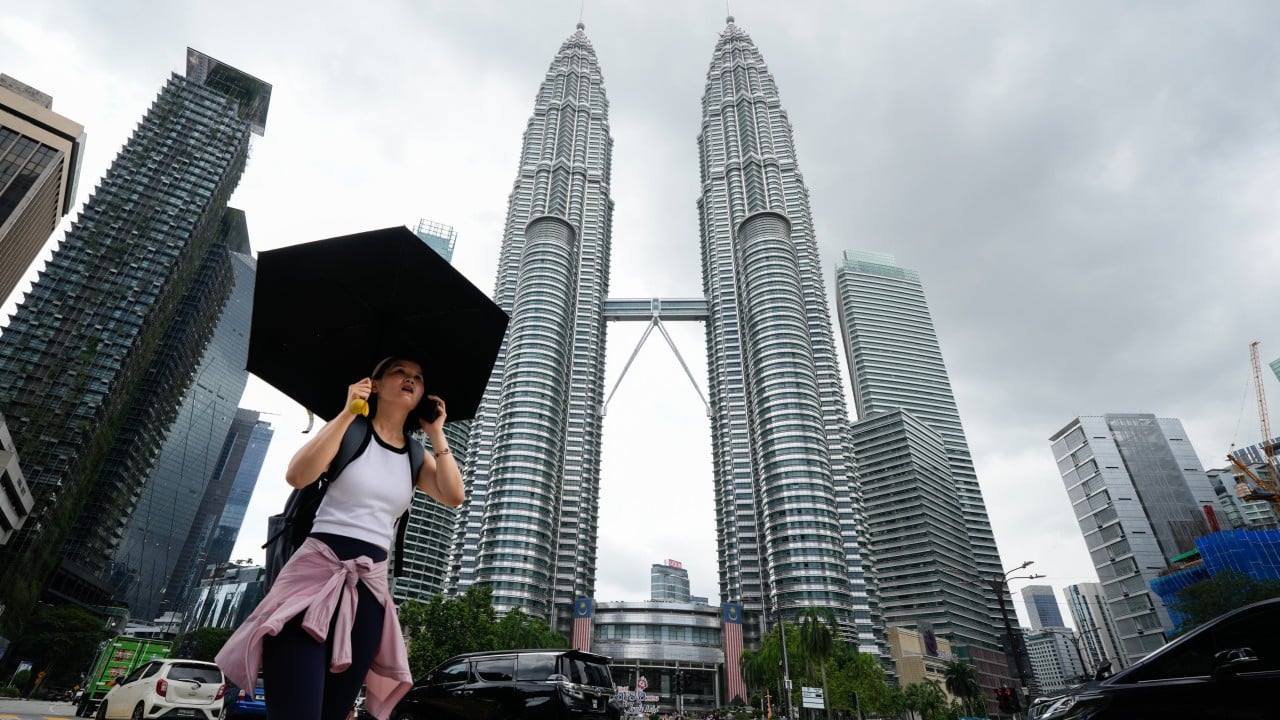
Malaysia is pursuing a strategy to strengthen its economic ties with South Korea, with a focus on high-value sectors such as semiconductors, artificial intelligence, electric vehicles, renewable energy, and the burgeoning halal market. The Malaysian Investment Development Authority (MIDA) and Malaysia External Trade Development Corporation (MATRADE) officials emphasized that the partnership is entering a new phase, with vast opportunities for South Korean businesses to invest in Malaysia and access the broader Asean market.
As of 2025, South Korean investments in Malaysia have reached US$11.7 billion, generating nearly 50,000 jobs across various industries. Both countries' national development strategies align closely, with South Korea focusing on semiconductors, AI, advanced manufacturing, and green technologies, while Malaysia implements the New Industrial Master Plan 2030, the National Semiconductor Strategy, and the National Energy Transition Roadmap.
This alignment presents significant opportunities for investment, technology, and industrial partnerships, solidifying Malaysia's status as a strategic destination for South Korean firms. Bilateral trade between Malaysia and South Korea has surged by 52.3% year-on-year, reaching US$19 billion from January to June 2023, with Malaysian exports increasing by 44.2% and imports surging by 58.9%.
The next focus for MATRADE is to diversify trade into emerging sectors such as AI, robotics, medical devices, green technology, digital services, and the halal economy, while supporting SMEs to participate in South Korean supply chains. Both officials highlighted Malaysia's advantages beyond competitive production costs, including industrial maturity, strategic location, policy stability, a skilled English-speaking workforce, robust intellectual property protection, and long-term industrial policies.
Malaysia's experience in semiconductor packaging and testing, which accounts for 13% of global production, highlights its ability to provide a low-risk market entry for South Korean investors. The Malaysia-South Korea Free Trade Agreement is expected to further bolster bilateral trade and investment, facilitating market access and opening new opportunities for businesses in both nations.
The officials are particularly optimistic about collaboration in advanced technology industries, such as electronics, electric vehicles, renewable energy, and digital infrastructure, as Malaysia and South Korea strive to transition towards hi-tech, low-carbon economies.
Written by urgent.news from South China Morning Post's reporting — not their text. Machine-written — may contain errors; check the original before relying on it.
Also reported by 4 other outlets
- Korea becomes market barometer for global AI stock trade koreatimes.co.kr
- South Korea’s moon landing, quantum chips: Seoul bets big on post-AI economy scmp.com
- South Korea's Kospi swings from bear to bull-market territory in just over a month on AI trade cnbc.com
- Mapping the startups setting the pace in Korea’s AI sector techinasia.com