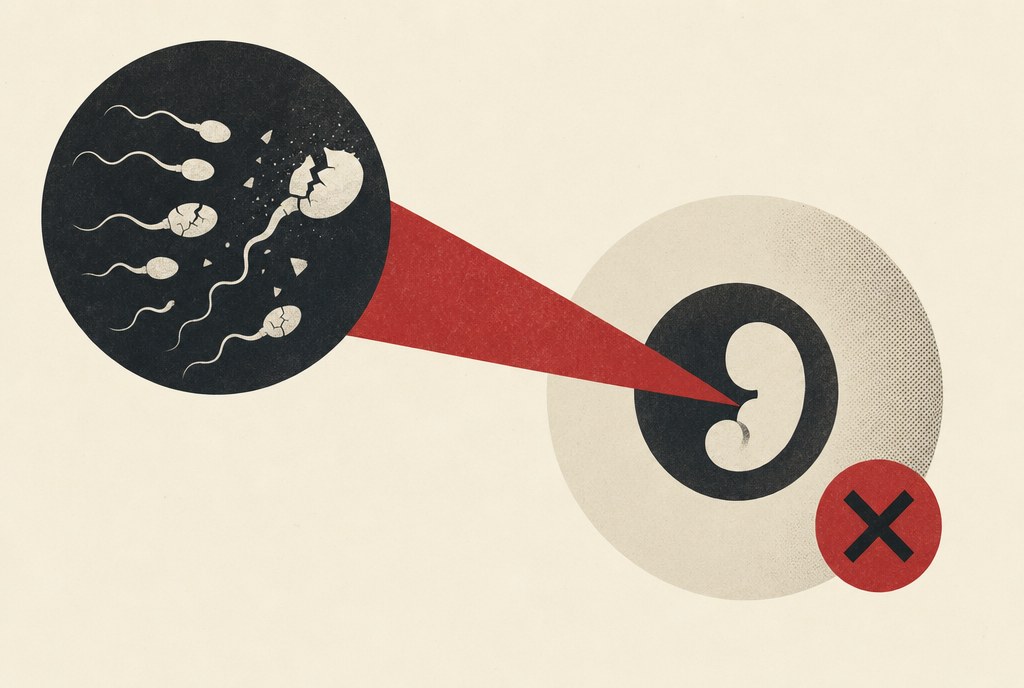
Is it time we rethink our kit choices to help combat skin cancer?
Sunscreen can protect your skin, but as temperatures rise, should we look to European approaches to stay safer during the sunny season?
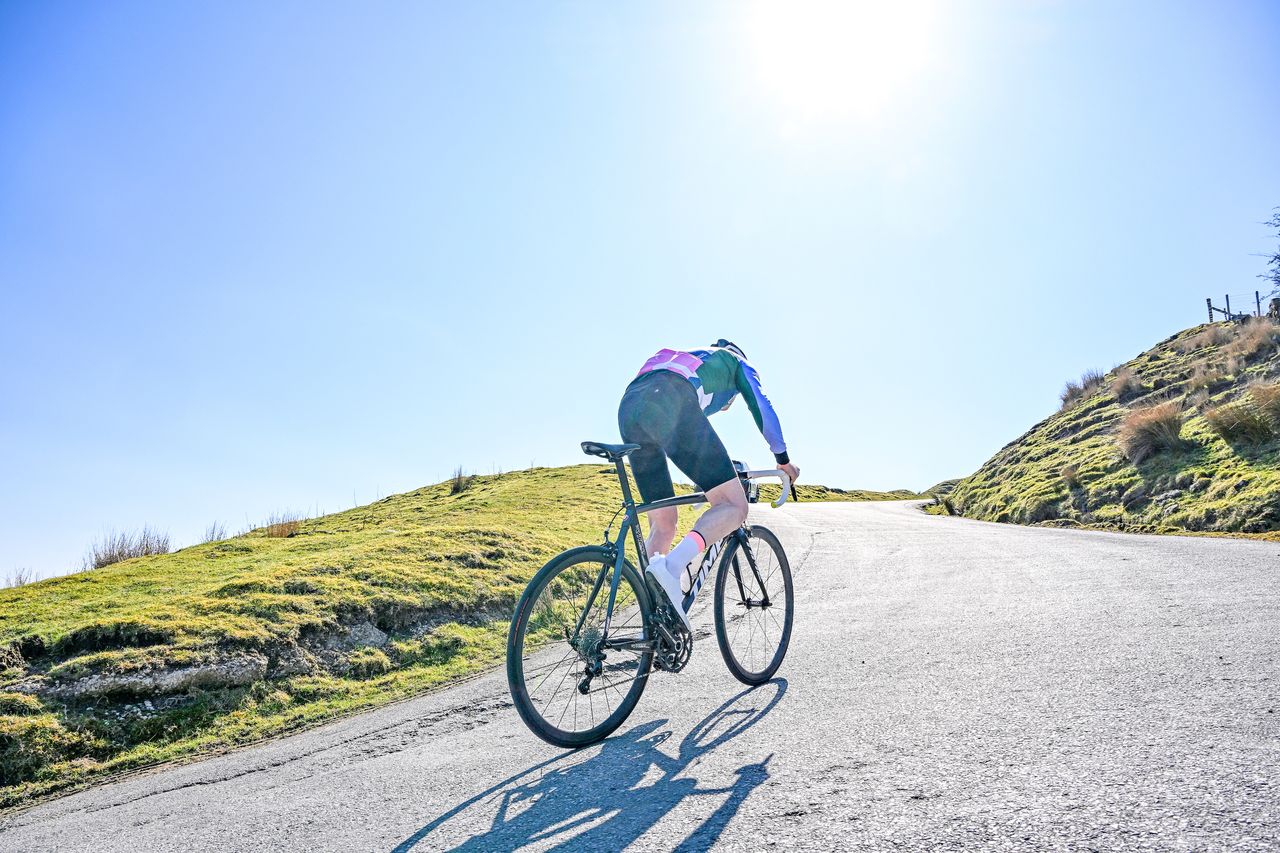
As global temperatures continue to rise, the importance of protecting oneself from skin cancer has become increasingly evident. Cyclists, who spend extended periods outdoors exposed to the sun, are particularly at risk. While short-sleeved jerseys and shorts are popular choices for summer cycling, this exposes the arms, legs, head, and hands to harmful UV radiation.
Skin cancer comes in two primary forms: melanoma and non-melanoma. Both conditions are serious and require medical attention. They occur when UV radiation penetrates the skin and damages DNA within skin cells, leading to potential cancer development over time. Factors that increase one's risk include fair hair, fair skin, freckles, and green or blue eyes. However, those with darker skin tones are less susceptible due to higher melanin production; however, they are still at risk from prolonged UV exposure.
UV radiation is categorized into two types: UV A and UV B. UV B rays cause surface damage, such as burning and DNA damage, while UV A rays penetrate deeper, leading to long-term skin aging. Cyclists need to consider UV protection when choosing their summer kit.
Lightweight, long-sleeve garments offer UV protection and are becoming increasingly popular among cyclists. Manufacturers like MAAP have introduced UV-protective options such as the Aeon Jersey, which provides UPF 15 protection. UPF (Ultraviolet Protection Factor) is the rating for clothing, indicating the percentage of UV radiation that penetrates the fabric. In contrast, SPF (Sun Protection Factor) measures the effectiveness of sunscreens against UV B rays.
Investing in UV-protective clothing can significantly reduce skin cancer risk, as it limits exposure to harmful UV rays. Although these garments may feel slightly warmer, the long-term health benefits outweigh this minor discomfort. Sunscreen remains an essential part of sun protection, but it may not be sufficient for cyclists exposed to prolonged sunlight.
Written by urgent.news from Cycling Weekly's reporting — not their text. Machine-written — may contain errors; check the original before relying on it.