Introverts experience greater mood elevations from antidepressant placebos than extraverts
A new study indicates that introverts and individuals with lower natural joy experience the greatest mood boosts from dopamine-altering drugs and antidepressant placebos. The findings suggest that baseline personality heavily influences how people respond to mood treatments.
A study in the International Journal of Neuropsychopharmacology reveals that individuals who lean towards introversion and lower emotional positivity tend to experience more significant mood improvements from antidepressant placebos and dopamine-altering drugs. Researchers from the University of Marburg conducted a study on 293 healthy adults aged 18-60 to examine how personality traits influence responses to treatments meant to enhance mood.
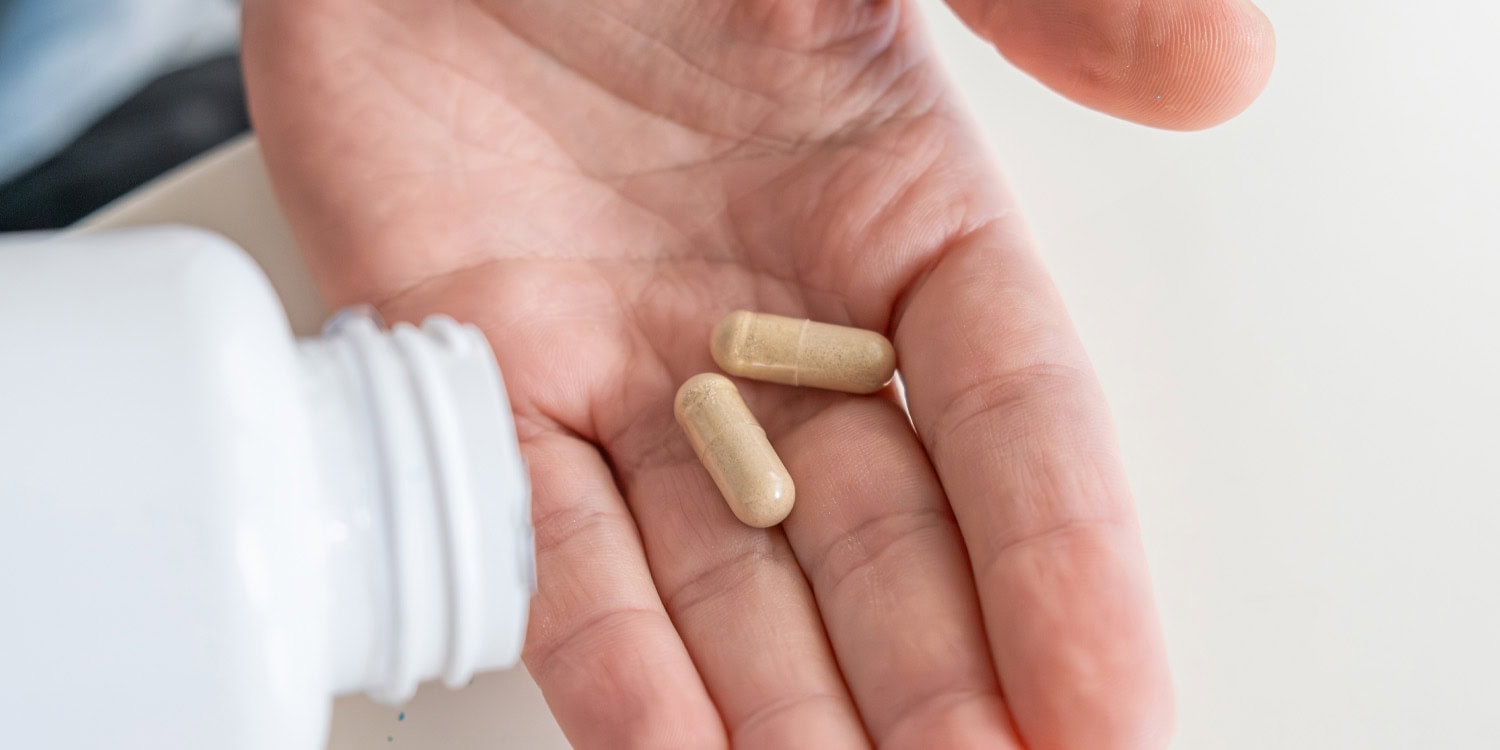
Participants were given identical capsules, with half expecting a mood-elevating medication and the other half expecting an inert substance. In actuality, the contents were randomized, and both placebo and drug were administered equally. Participants were told to take the pills in the morning, after which they received a blood sample and a meal.
After three hours, a second blood sample was taken to confirm the active drug, sulpiride. Throughout the day, participants rated their mood on a scale. The results showed that the placebo and drug effects varied based on participants' baseline personality traits. Those with high anhedonia, indicating a reduced ability to feel pleasure, experienced a mood boost from sulpiride.
Conversely, those with low anhedonia saw a decline in positive emotions after taking the drug. Similarly, introverted participants (low extraversion) reported increased mood when expecting a mood-elevating drug, while extraverted individuals reported decreased mood. These findings suggest that personality traits, particularly introversion and high anhedonia, play a crucial role in how individuals respond to mood-enhancing treatments.
Written by urgent.news from PsyPost's reporting — not their text. Machine-written — may contain errors; check the original before relying on it.