In 1998, Honduras counted its mammals. 8 years later, 227 species emerge
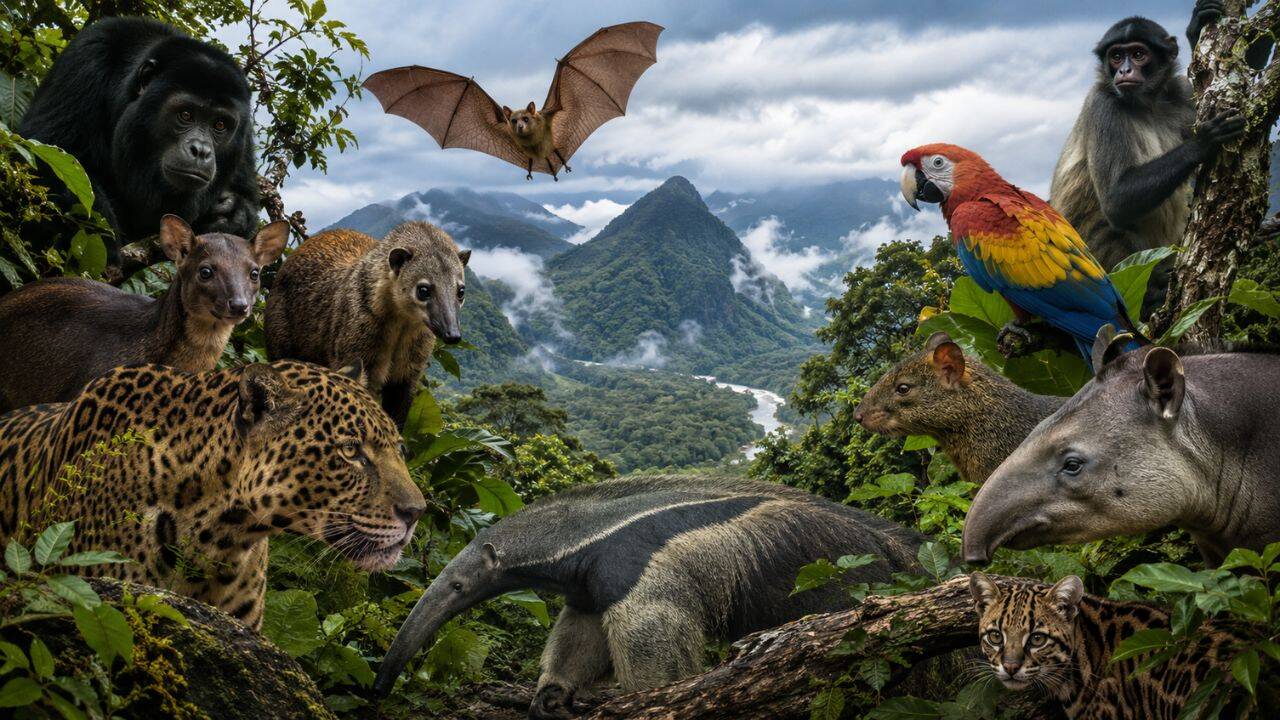
In 1998, Honduras embarked on a comprehensive effort to catalog its native mammal species. Eight years later, the inventory has expanded to include 227 documented species, highlighting both progress and remaining uncertainties in understanding the country's mammal diversity. The exhaustive review, published in ZooKeys, reveals that nearly 300,000 records, spanning from the 1960s, were meticulously cross-referenced and verified, providing a comprehensive overview of Honduras' mammal population.
This effort, led by Manfredo A. Turcios-Casco and a team of 14 co-authors, not only documents the scientific names and distribution records of these species but also integrates local knowledge and names used by Indigenous peoples and rural communities in Honduras. This approach enriches the understanding of mammal diversity by incorporating valuable observations that formal surveys might have missed.
The review identifies 227 native species across 42 families and 146 genera, including three introduced rodents, but also underscores the gaps in knowledge about familiar mammals like squirrels, raccoons, and small rodents. Endemic species, in particular, pose challenges as their populations are confined to Honduras, making it imperative to rely on old records for their conservation status.
Additionally, the review emphasizes the importance of utilizing grey literature, such as theses and reports, which often contain crucial but overlooked data. The new inventory's findings suggest that the species count could rise by another 28, potentially reaching a total of 258, with marine mammals and bats being notable areas for future discovery.
Written by urgent.news from Times of India's reporting — not their text. Machine-written — may contain errors; check the original before relying on it.