Hundreds of Syria Kurds head back to border town after years of displacement
Tens of thousands of Kurds were displaced in 2019 when Turkey and allied Syrian fighters seized an Arab-majority strip along the Turkish border from Kurdish forces during Syria's civil war.
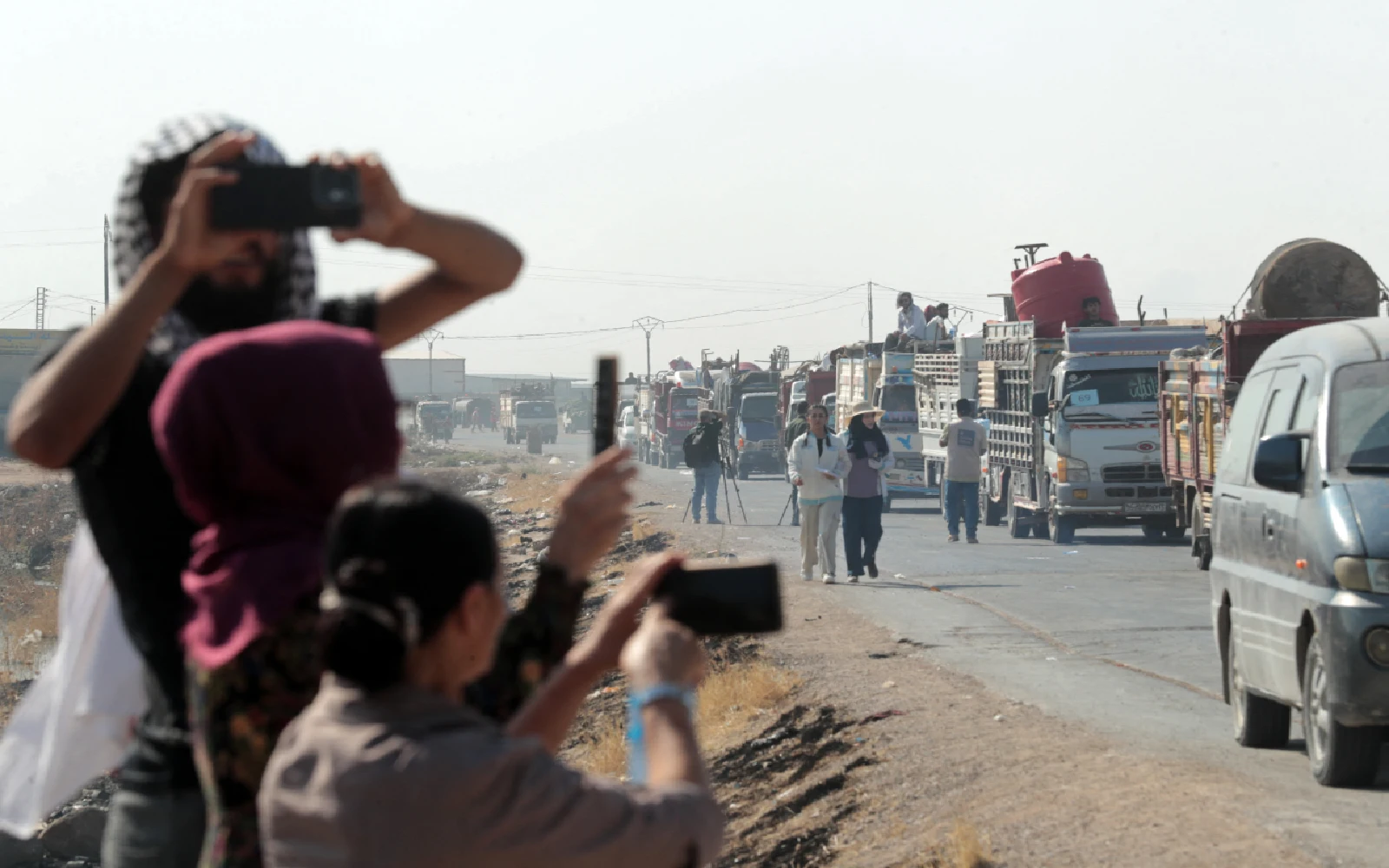
Onlookers captured images of Syrian Kurds returning to Ras al-Ain, a northeastern border town, after years of displacement. This group was part of the first batch, consisting of approximately 2,500 individuals, who were heading home following the implementation of a January integration agreement between Kurdish forces and the Damascus government.
The deal aimed to merge Kurdish forces and civil institutions into the state, including the return of displaced Kurds. However, residents of Ras al-Ain had been eagerly awaiting this development, leading to appeals for assistance.
Jawan Isso, a representative from a committee representing displaced people from Ras al-Ain, informed AFP that the first batch of returnees was headed to their homes on Monday. This progress, Isso explained, was the result of coordinated efforts between Damascus and Kurdish authorities, with a second batch expected to be transferred in the coming days.
An AFP correspondent witnessed dozens of trucks loaded with furniture and belongings waiting to depart from near the city of Hasakeh. Men, women, and children were visibly eager to embark on this journey back home. One returnee, Nora Khodor, expressed her joy, stating, "I've been waiting for this moment... it's like a dream for a person to return to their home." She added, "I'm happy for an end to this suffering."
Human rights groups have reported that residents' homes and belongings were seized or looted following the Turkish offensive to seize an Arab-majority strip of territory along the Syrian border, including Ras al-Ain, in 2019. Some Turkish fighters who participated in the operation subsequently settled in the area with their families, some of whom reportedly still reside in Ras al-Ain, a region known for its ethnically-mixed population in northeastern Syria.
The new Syrian Islamist authorities have been working to extend central government control across the country, including formerly Kurdish-held areas. Rawda Mohammed, another returnee, echoed the sentiments of the displaced community, expressing her happiness about returning to her home. Despite being informed that her home was totally destroyed, Mohammed remained optimistic, saying, "We didn't get pessimistic because we're happy to return, and when we get there, we'll see what we can do."
Approximately 5.5 million people remain internally displaced in Syria as a result of the ongoing civil war, which has lasted over 13 years. The committee representing displaced people from Ras al-Ain emphasized that Monday's transfer marked the beginning of a path towards a full return, highlighting the importance of protecting property, housing, and land rights, as well as providing basic services and infrastructure for the returnees.
Written by urgent.news from Free Malaysia Today's reporting — not their text. Machine-written — may contain errors; check the original before relying on it.