How to Choose a Camera (2026): Sensors, Megapixels, Terms
Shopping for a camera can be confusing. Here’s how to sift through the acronyms, sensor options, and extra features to find the best one for you.
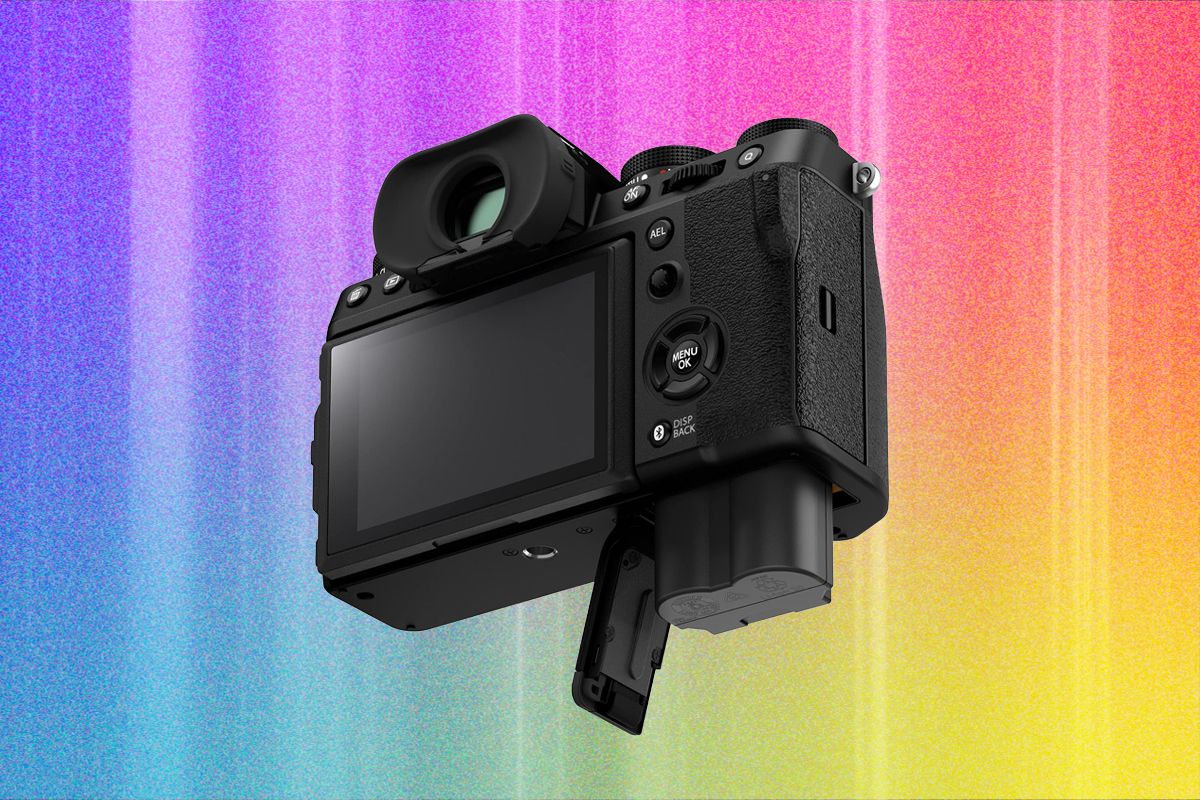
When selecting a camera, it is important to consider what kind of photos you intend to capture. For instance, if you plan to photograph your children playing sports, you should prioritize cameras with excellent autofocus capabilities and fast frame rates. Additionally, if video recording is a priority, ensure that the camera offers high-quality video features such as 4K resolution, 100 frames per second for slow-motion footage, and mechanisms to reduce rolling shutter effects.
Astrophotography enthusiasts should pay attention to the noise levels of a sensor, as this can impact image quality in low-light situations. While all modern cameras can produce excellent images, some perform better than others in specific niche areas. For those who are new to photography, beginning with entry-level cameras designed for general use can be a more cost-effective choice, allowing beginners to allocate their budget towards purchasing high-quality lenses instead.
Understanding camera terminology is essential when choosing a camera. Some key concepts include:
- **Point-and-Shoot vs. Interchangeable Lens**: Point-and-shoot cameras offer simplicity and convenience, whereas interchangeable lens cameras provide greater flexibility and control over image quality.
- **Mirrorless vs. DSLR**: Mirrorless cameras have become increasingly popular due to their compact size and advanced features, while DSLRs continue to offer robust performance and legacy lens compatibility.
- **Sensor Size**: The size of a camera's sensor can affect image quality, but modern cameras offer high performance across various sensor sizes. Larger sensors generally capture more light, resulting in better low-light performance.
- **Megapixels**: While higher megapixel counts can provide more detail, they are not the sole determinant of image quality. Other factors like sensor technology and lens quality play a crucial role.
- **Ergonomics and Features**: Consider the camera's size, weight, button layout, and available features such as touchscreen functionality, Wi-Fi connectivity, and battery life.
- **Lenses**: The right lenses are crucial for achieving desired photographic results. Consider factors such as focal length, aperture, and lens compatibility with your camera body.
- **Bags, Cards, and Accessories**: Don't forget to invest in essential accessories like camera bags, memory cards, batteries, and extra lenses to ensure you're prepared for any shooting situation.
- **Aspect Ratio**: The aspect ratio refers to the width-to-height ratio of an image. Common aspect ratios include 3:2, 4:3, and 16:9. Keep in mind that different aspect ratios may require cropping to fit specific print sizes.
- **Focal Length**: This term describes the length of the camera lens and influences the field of view and zoom capabilities. It helps determine how much of the scene will be captured in your image.
Written by urgent.news from Wired's reporting — not their text. Machine-written — may contain errors; check the original before relying on it.