Hong Kong trophy-home demand runs deep, as Stanley luxury sale tops US$19m
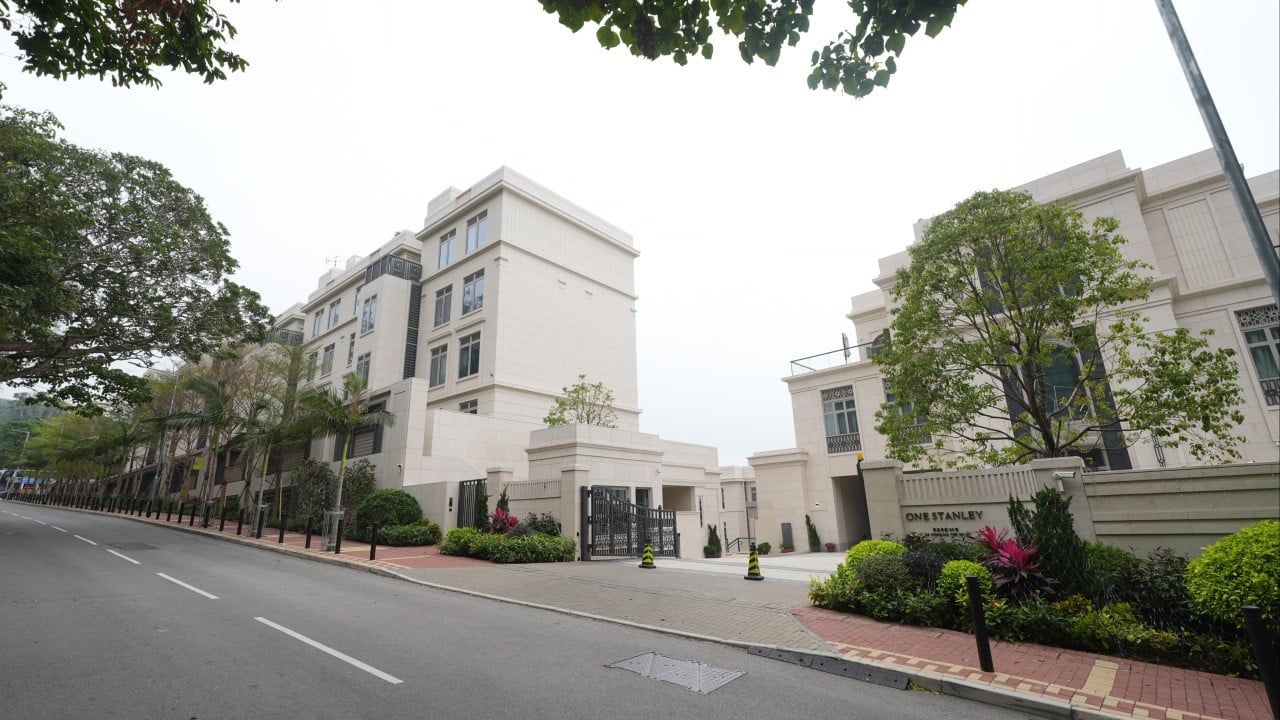
A buyer with the same name as the founding chairwoman of a global immigration consultancy has bought a detached house in a luxury residential development in southern Hong Kong for over US$19 million, adding to a string of big-ticket deals as demand for trophy homes remains resilient despite a broader slowdown. Yi Bing signed an agreement for the purchase of House 11 at One Stanley on Wong Ma Kok…
Over the last five years, youth membership in Hong Kong's uniformed groups has dropped by 8%, according to a report by the South China Morning Post. Despite consistent government funding, the decline is attributed to low birth rates and an abundance of extracurricular activities for students. Lawmakers have proposed implementing key performance indicators (KPIs) for these groups to ensure efficient public spending, though some groups worry that tying funding to membership numbers could stifle their growth.
The Home and Youth Affairs Bureau provides recurring subsidies to 11 uniformed youth groups for promoting positive values and national identity. In 2024-25, total subsidies amounted to HK$86 million (US$11 million). Membership across these 11 groups fell from 117,671 in 2020-21 to 108,551 in 2024-25, a nearly 18% decrease over the past decade.
The Hong Kong Adventure Corps saw its membership drop by 30%, from 4,882 in 2020-21 to 3,403 in 2024-25. Despite this overall decline, some groups, like the Association of Hong Kong Flag-guards and the Hong Kong Red Cross Youth, experienced membership growth. Fertility rates in Hong Kong continue to decline, with registered births hitting a historic low of 31,100 in 2025.
The government has also established new uniformed units, such as the Fire and Ambulance Services Teen Connect, potentially diluting the membership base of existing groups. The HKAC has faced challenges with recruitment due to its rigorous physical and disciplinary requirements, which some young people may find off-putting. To combat the decline, the HKAC has strengthened collaboration with schools and increased community engagement, while aiming to meet a 5% annual growth target for active membership, as set by the Security Bureau in 2022 and 2024.
Written by urgent.news from South China Morning Post's reporting — not their text. Machine-written — may contain errors; check the original before relying on it.
This story
This is one outlet's version. Read the fullest account.