From Made in China to Innovated by China: How AI, Robotics and Innovative Drugs Are Shaping the World
China is evolving from the world's factory to a leader in innovation, with AI, robotics, and groundbreaking drugs at the forefront of this transformation.
For centuries, China's global reputation was primarily tied to its manufacturing prowess. The country, often dubbed the "world's factory," produced items like garments, furniture, and household appliances, popularly known as the "old three" exports. However, the tides began to shift with the rise of "new three" exports - electric vehicles, lithium batteries, and solar panels.
These not only bolstered China's tech manufacturing capabilities but also contributed to the global push for sustainable energy. Now, advanced fields such as artificial intelligence (AI), robotics, and innovative drugs are emerging as China's "new three" exports. These represent a paradigm shift from merely exporting manufactured goods to exporting technological prowess, intelligent systems, and innovation-driven solutions.
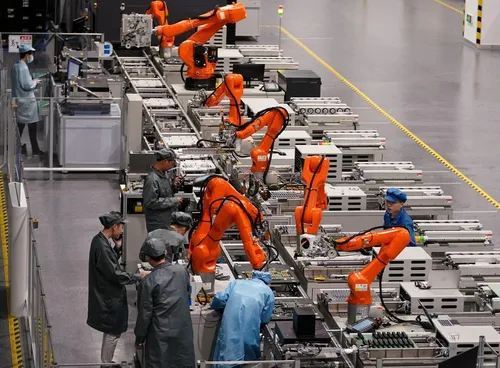
This transition signifies a broader transformation in China's global economic role, evolving from a manufacturing titan to a key player in global innovation. Robotics stands out as one of the most tangible symbols of China's transition towards high-end smart manufacturing. The country's industrial infrastructure, extensive supply chains, and vast domestic market have facilitated the rapid transition of robotic technologies from research labs to real-world applications.
Trade data reveal that in the first half of 2026, China's exports of industrial robots totaled 6.29 billion yuan (around $929 million), marking an 18.6% increase. These robots found their way to 141 countries and regions. Similarly, exports of surgical robots surged threefold, expanding their international reach from 23 to 49 countries.
This surge in surgical robots has fueled demand for advanced medical technologies across the globe. However, China's strides in robotics have also stirred geopolitical discussions. The US has imposed restrictions on foreign-made humanoid and quadruped robots, citing national security concerns. Yet, the implications of robotics extend beyond trade disputes.
As societies grapple with issues like an aging population, labor shortages, and workplace safety, intelligent machines are increasingly seen as tools to boost productivity, improve efficiency, and ensure safety in various sectors, from factories to hospitals. Artificial intelligence is arguably the most illustrative example of China's "new three" exports evolving from tangible products to technological capabilities.
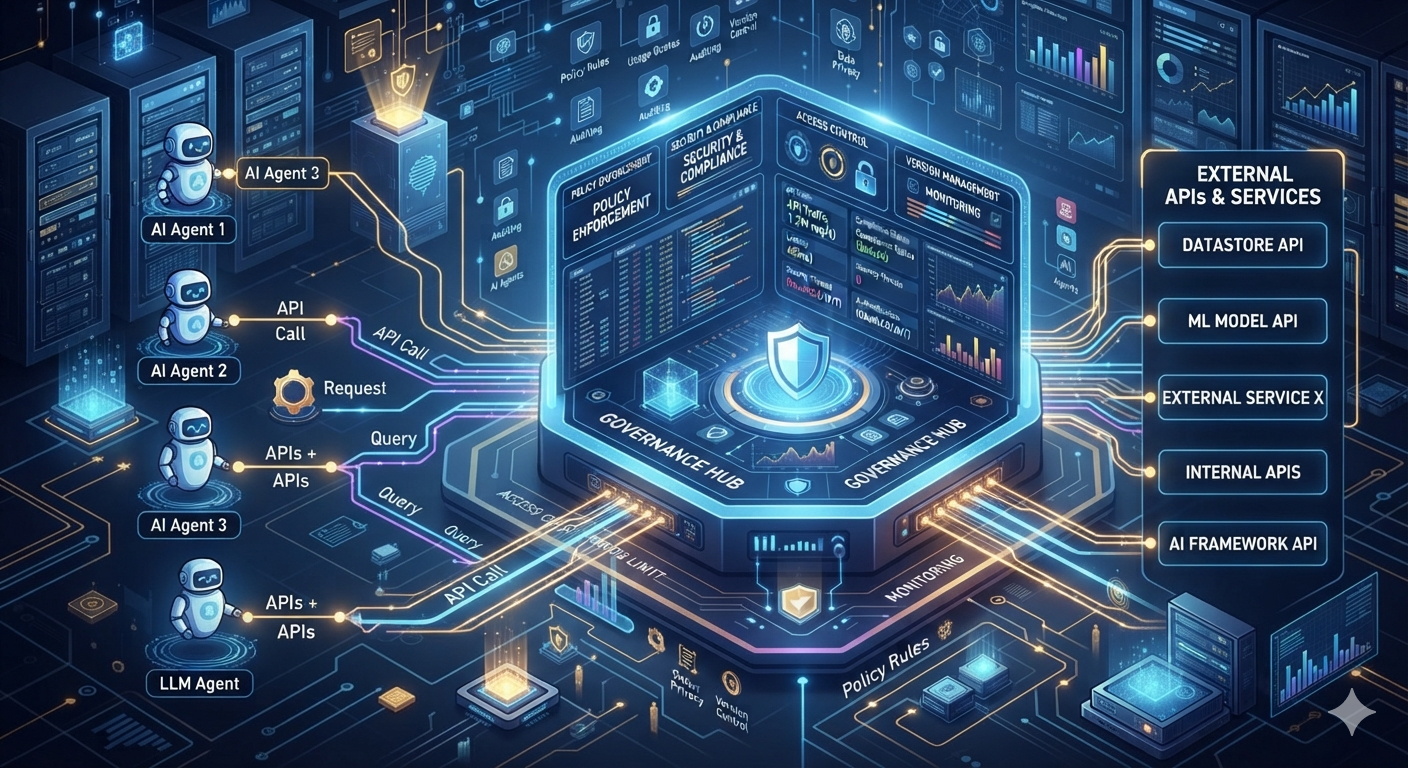
Unlike traditional exports, which are quantified by shipments and sales, AI's value lies in its algorithms, computing infrastructure, and real-world applications. AI's potential to enhance industry, business, and societal efficiency and innovation sets it apart. Chinese AI ecosystem has experienced significant expansion, propelled by a robust digital economy, diverse application areas, and sustained investment in research and development.
According to data from OpenRouter, a global AI model aggregation platform, Chinese large language models processed 36.11 trillion tokens over a week in July 2026, marking a 30% increase from the previous week and maintaining the top global usage position for 12 consecutive weeks. More importantly, China's AI technologies are increasingly being deployed abroad.
For instance, in Brazil, Chinese-developed AI models aid in grid inspection and maintenance in power companies, while in South Africa, Huawei's AI solutions are utilized by the railway sector to enhance infrastructure management and operational efficiency. China's AI development also underscores its growing open-source ecosystem.
By democratizing access to advanced AI tools, open-source models enable developers, businesses, and emerging economies to leverage intelligent technologies at lower costs. However, AI's impact also raises global concerns regarding data security, privacy, and governance. Tackling these issues necessitates international cooperation and shared standards.
The significance of China's AI exports transcends models and software. Its true value lies in expanding access to digital intelligence, which will ultimately be measured by the widespread sharing of its benefits. Lastly, innovative medicines represent another critical facet of China's "new three" exports. Historically, China's pharmaceutical industry was mainly involved in producing active pharmaceutical ingredients and generic drugs.
Today, Chinese companies are venturing into high-end biopharmaceutical innovation, investing heavily in original drug discovery and playing a more significant role in global medical innovation. In the first half of 2026, China approved 38 Class I innovative drugs, including 11 medicines with unique targets and novel mechanisms of action, all developed by Chinese pharmaceutical firms.
This shift underscores a transformation in China's pharmaceutical landscape, moving beyond mere production to developing groundbreaking healthcare solutions.
Written by urgent.news from IOL's reporting — not their text. Machine-written — may contain errors; check the original before relying on it.